REVIEW · MUNICH
Private Tour of Nymphenburg Palace and Gardens
Book on Viator →Operated by Tom's Tours · Bookable on Viator
Munich’s royal palace, minus the hassle. You get free time to explore Nymphenburg Palace rooms at your pace, plus signature garden pavilions that go way beyond the usual photo stop. The only real catch: expect some walking to connect from the meeting area to public transport and into the complex.
I also like how this feels truly private. You’re not squeezed into a mass-group script—you can ask questions, and Tom keeps the day moving with a pace that works for your group. One more consideration is that the garden portion is the main time-and-steps commitment, so wear good shoes.
In This Review
- Key Takeaways Before You Go
- From Hauptbahnhof To Nymphenburg Gardens: Getting There Without Stress
- Nymphenburg Palace: Baroque Rooms With Court Life Drama
- What to watch for
- The Garden Walk That Changes the Whole Visit
- Practical tip
- The Park Pavilions: Mini-Palaces With Very Different Purposes
- Amalienburg hunting lodge (seasonal)
- Badenburg palace with a swimming-pool idea
- Pagodenburg: a Chinese-inspired mini pleasure palace
- Magdalenenklause: hermitage escape, grotto, and spring
- When It’s Winter: Marstallmuseum Instead of Several Pavilions
- Tom’s Guide Style: Stories You Can Follow (And a Pace That Works)
- How Much Time You’ll Spend (And Where It Feels Like “A Lot”)
- Price and Value: What $192.77 Buys You
- Best Fit: Who This Tour Works For
- Should You Book Tom’s Nymphenburg Palace and Gardens Tour?
- FAQ
- Meeting point and start time
- Is this tour private?
- How long does the tour take?
- Is admission included?
- What language is the tour in?
- Do we need to manage tickets ourselves?
- Which garden pavilions are closed in winter?
- What happens in winter instead?
- Is the tour wheelchair or accessibility-friendly?
- Can the guide meet somewhere other than Hauptbahnhof?
- How does cancellation work?
Key Takeaways Before You Go
- Private group touring with Tom so you can ask questions and set the rhythm of the visit
- Palace rooms plus your own time inside after your guide explains what matters
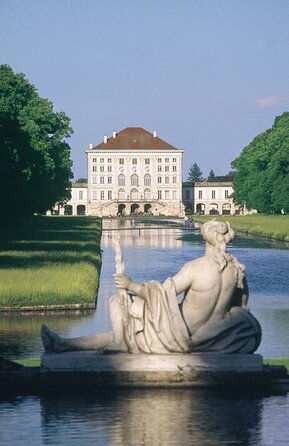
- Four park pavilions around Nymphenburg Gardens for a more complete sense of the estate
- Admission tickets included across the palace and multiple exterior sites
- Seasonal site swaps: some pavilions close in winter, while the carriage museum runs at that time
From Hauptbahnhof To Nymphenburg Gardens: Getting There Without Stress
This tour starts at Hauptbahnhof, Munich’s main station. Your guide meets you there and handles the rail/tram connection to the palace area, so you’re not juggling signage, ticket machines, or finding the right stop on your own.
I like this setup because it solves one of the biggest friction points in Munich sightseeing: getting out to the edges without losing half your morning. One of the reviews also notes the guide can meet at a hotel lobby as a special request, but the standard plan begins at the station for the simplest tram route.
You can also read our reviews of more private tours in Munich


Nymphenburg Palace: Baroque Rooms With Court Life Drama
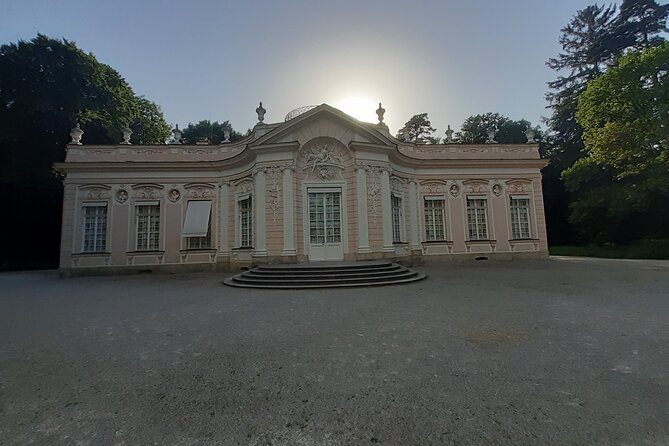
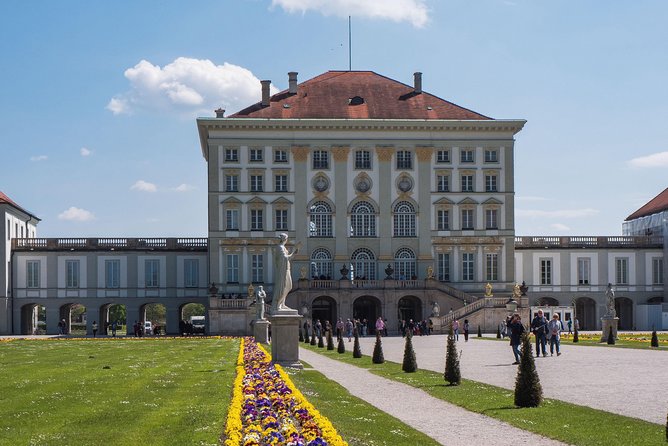
Nymphenburg Palace is often described as the Versailles of Munich—and once you’re inside, the comparison makes sense. The building has that baroque showmanship, but what makes the day work is how your guide frames it: you learn how the Wittelsbach royal family lived, ruled, and played out power inside these walls.
Inside, you’ll be shown the palace rooms while hearing stories that make court life feel human. You’ll get the contrast between the glamorous side (the flirtation, the ceremony, the rank) and the everyday grind behind it (the servants and the work that kept the whole machine running). The palace is big, so a guided highlight route matters.
What I really appreciate is that you also receive free time to walk the rooms yourself after the guided portion. That’s your chance to linger where something grabs you—painted ceilings, formal halls, or the kind of details you miss when someone is talking the whole time.
What to watch for
The palace is huge, but the tour doesn’t attempt to force every corner. You’ll focus on the rooms you can actually enjoy instead of speed-walking everything and feeling rushed.
The Garden Walk That Changes the Whole Visit
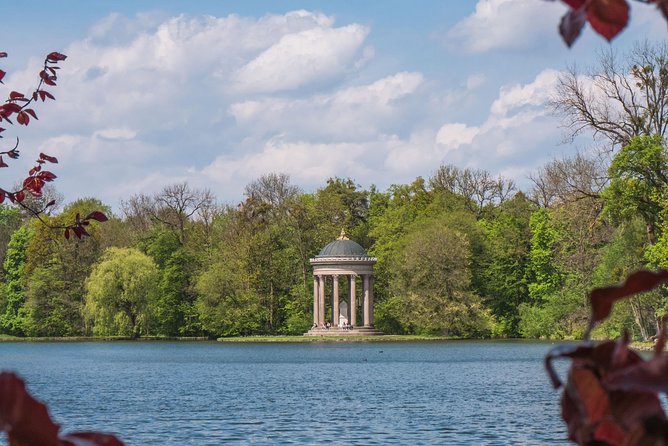
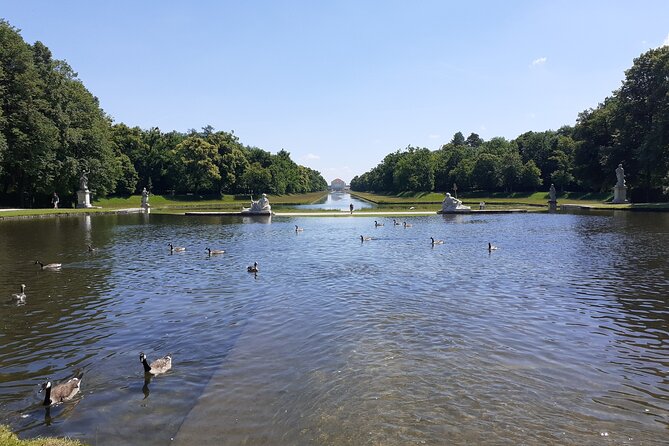
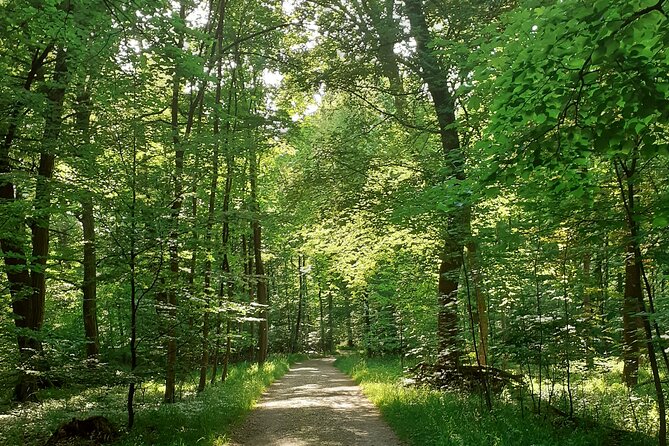
If the palace is the face, the grounds are the personality. Your outdoor time is structured so you walk past fountains and statues while learning how the estate is laid out, then you move toward the park pavilions.
Nymphenburg Gardens mix two styles in one place, which is part of why it feels fun rather than formal-frozen. You’ll see the more structured French approach in some sections, then softer English-style strolling areas. That contrast keeps the walk from becoming repetitive.
I also like that you’re not just handed a map and left alone. As you move, you understand what you’re looking at—where the pavilions fit into the estate, and why these little buildings were built in the first place.
Practical tip
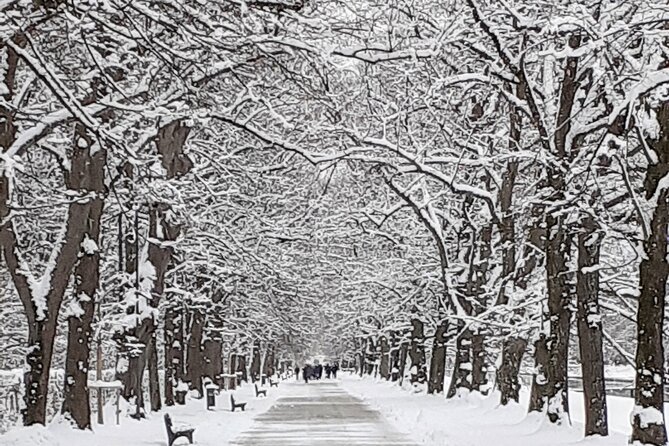
This is where you’ll likely do most of your walking. Plan to take your time. The fountains, statues, and side buildings reward slow attention.




The Park Pavilions: Mini-Palaces With Very Different Purposes
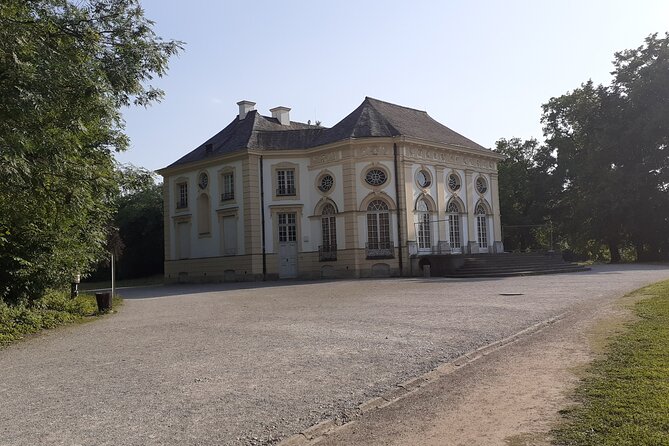
The garden isn’t only grass and flowers. It’s dotted with purpose-built structures that were designed for leisure, sport, escape, and spectacle. The stops in this tour let you connect the dots between the royal family’s tastes and the architecture.
You’ll visit several pavilions for short, focused time windows—enough to understand the story and see the standout features without turning the day into a checklist.
Amalienburg hunting lodge (seasonal)
Amalienburg is described as the hunting lodge of an empress and a Rococo masterpiece. This is the kind of stop where you’ll likely notice the aesthetic shift—more delicate, more ornamental, more about pleasure than power.
Note: it’s listed as closed from 16 October to 28 March.
Badenburg palace with a swimming-pool idea
Badenburg is tied to Elector Max Emmanuel and includes his baroque swimming pool. It’s a striking detail because it shows how leisure and luxury were engineered into court life, not added later.
Note: it’s also listed as closed 16 October to 28 March.
Pagodenburg: a Chinese-inspired mini pleasure palace
Pagodenburg is the first of the pavilions built by Elector Max Emmanuel. It’s Chinese-inspired, a mini pleasure palace that reflects how European elites borrowed from far-off styles to create something fashionable and exotic.
Note: Pagodenburg is listed as closed 16 October to 28 March.
Magdalenenklause: hermitage escape, grotto, and spring
Magdaleneklause is a hermitage where Electors and kings of Bavaria could escape court life for contemplation and studying the Bible. You’ll hear how the retreat fit into the mental rhythm of rule—step out of the social pressure and into quiet reflection.
This stop is also singled out for its shell grotto and a miracle-working spring. That’s the kind of detail that makes the story feel specific instead of generic.
Note: Magdalenenklause is listed as closed 16 October to 28 March.
When It’s Winter: Marstallmuseum Instead of Several Pavilions
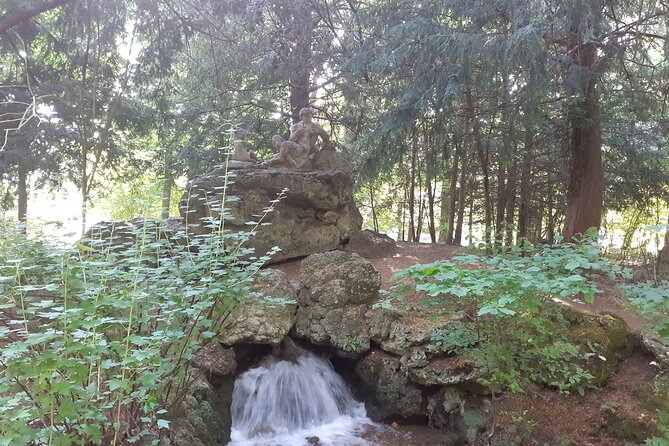
Season matters here. For the period 16 October to 28 March, the tour notes several of the garden pavilions (Amalienburg, Badenburg, Pagodenburg, Magdalenenklause) are closed.
During that same season window, the Schloss Nymphenburg Marstallmuseum (carriage museum) is listed as open, and you’ll get a stop there (about 20 minutes). If you’re traveling in the cooler months, this is a smart trade: you still get an inside-looking-at-history moment, but focused on Wittelsbach transport and showpiece vehicles rather than the outdoor pavilions.
Tom’s Guide Style: Stories You Can Follow (And a Pace That Works)
Tom is the guide for this experience, and his style is part of the value. Multiple comments highlight his friendliness, his humor, and the way he explains the palace and gardens so they click.
One review praises how he uses visual aids—a binder of visuals—to make the royal family’s relationships and the estate’s layout easier to grasp. Another notes he adjusted pacing to age and hot weather, with short breaks between stories rather than a nonstop lecture.
Even practical touches show up. For example, one review mentions Tom bringing an umbrella when rain hit briefly. It’s a small thing, but it matches how this tour handles the real world.
How Much Time You’ll Spend (And Where It Feels Like “A Lot”)
This tour runs about 5 hours. The palace portion includes time inside, plus your free time in the rooms. The garden portion is longer on your feet, with short visits to multiple pavilions.
If you’re the type who hates unexpected walking, read this carefully: the meeting point is Hauptbahnhof, and you’re transferred to the palace area via public transport, so you’ll be moving between stops. One review complained about having to walk more than expected; the response clarified that this is normal from the station because it sits near the tram used for the route. A hotel-lobby meeting can happen on special request, but that can change how much walking you do.
My take: if you’re okay with a moderate walking day and you pack comfortable shoes, this works well. If mobility is limited, message your needs ahead of time so you can plan the smoothest connection.
Price and Value: What $192.77 Buys You
At $192.77 per person for about 5 hours, this isn’t a bargain-basement option. But the value is clearer when you break down what you get:
- A private group experience, so you’re not competing for attention with a crowd
- Admission tickets included for the palace and multiple garden sites
- A guided route that focuses on the rooms and outdoor elements that make Nymphenburg make sense
- A garden plan that includes pavilions you might not know to prioritize
If you were to plan this yourself, the time cost alone—figuring out transit, tickets, and which rooms/pavilions to see in a short window—can eat up your energy. Here, the guide does the sorting, then leaves you room to enjoy it.
Best Fit: Who This Tour Works For
This is a great match if you want more than a quick walk-through. You’ll like it if you enjoy stories about how people lived in power centers—how aristocrats spent time, how servants worked daily routines, and how buildings were used for sport and escape.
It also fits couples and small groups who value flexibility. Because you can go at your own speed (especially with that free time inside), you’re not forced to keep pace with strangers.
If you’re visiting in a season when several pavilions are closed, the schedule shifts toward the carriage museum. That still keeps the experience structured, but your favorite pavilion details may depend on your travel dates.
Should You Book Tom’s Nymphenburg Palace and Gardens Tour?
Book it if you want a guided Nymphenburg that feels complete: palace rooms, meaningful context, and a garden route that actually explains what you’re seeing. The private format and the included admissions make it a practical choice, not just a luxury one.
Skip it (or plan carefully) if you know you hate walking and you can’t comfortably handle moving between the station, tram/public transport, and the estate paths. If that’s you, send a note about your pace needs early, and consider asking about a different meeting arrangement.
FAQ
Meeting point and start time
The tour starts at Hauptbahnhof (S, U, Bus, Tram) 80335 Munich, Germany. The listed opening hours show Monday–Sunday from 9:30 AM to 10:00 AM.
Is this tour private?
Yes. It’s a private tour/activity, and only your group participates.
How long does the tour take?
The duration is listed as approximately 5 hours.
Is admission included?
Yes. Admission tickets are included for Nymphenburg Palace and for the listed stops in the gardens. The tour also notes that the carriage museum has different seasonal availability.
What language is the tour in?
The tour is offered in English.
Do we need to manage tickets ourselves?
No. The experience includes admission tickets, and it’s also listed as using a mobile ticket.
Which garden pavilions are closed in winter?
From 16 October to 28 March, Amalienburg, Badenburg, Pagodenburg, and Magdalenenklause are listed as closed.
What happens in winter instead?
For the same 16 October to 28 March period, the Schloss Nymphenburg Marstallmuseum is listed as available (the carriage museum stop is noted for that time window).
Is the tour wheelchair or accessibility-friendly?
The tour information says most travelers can participate, and service animals are allowed. No other accessibility details are provided here.
Can the guide meet somewhere other than Hauptbahnhof?
The tour lists Hauptbahnhof as the meeting point, but one guide response indicates that a special request to meet at a hotel lobby may be possible.
How does cancellation work?
Free cancellation is available if you cancel up to 24 hours in advance for a full refund. If you cancel less than 24 hours before the start time, the amount paid is not refunded.