REVIEW · MUNICH
Residence of Munich private tour with skip the line ticket
Book on GetYourGuide →Operated by Paul Riedel Tours · Bookable on GetYourGuide
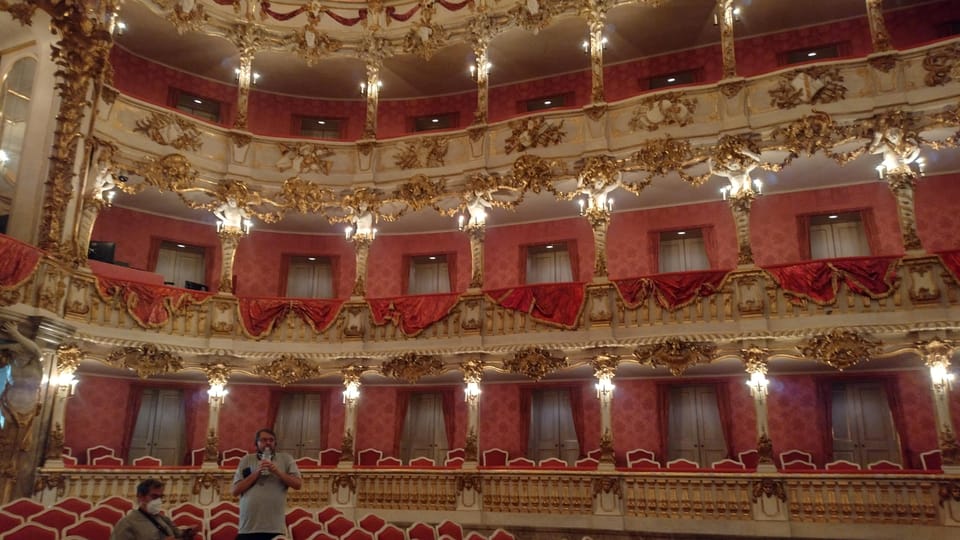
Munich’s Residenz can feel like a maze. A guided, skip-the-line private visit helps you move fast and make sense of what you’re seeing. I like that the tour is built around a professional local guide, not just a ticket and a map. One thing to keep in mind: the Cuvellier Theater may not be part of every version in the same way, and it has shown up as a small extra stop for some groups.
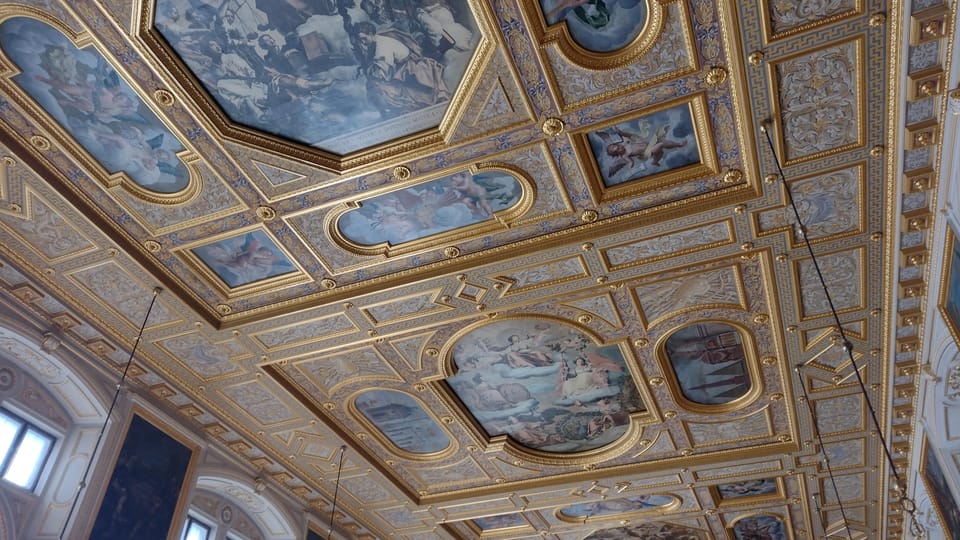
What makes this work well is the way the guide connects rooms to the people who lived there. You’re looking at the former seat of the Wittelsbach royal family, and the tour gives you the big picture across courtyards, standout rooms, and the palace’s later rebuilding. With stories ranging from King Ludwig II’s creativity to the complicated relationship with Napoleon, you’ll leave with more than pretty interiors.
The price is $139 per person for a private-style experience for about 2 hours (listed as up to 150 minutes). For that money, you’re paying for time saved at the entrance plus a human guide to turn a huge site into a clear route.
In This Review
- Key things to know before you go
- Starting at Residenzstrasse: getting in without stress
- Inside Munich’s Residenz: what your 2-hour route is really designed to do
- Courtyards and major rooms: why that layout matters
- Reconstructed work after destruction: seeing what survived, what changed
- Wittelsbach power, Ludwig II, and Napoleon: the side stories that make it real
- The pacing of a private tour: how it feels in practice
- The Cuvellier Theater add-on: worth it, but check what’s included
- Who this tour is best for (and who should skip it)
- Is the $139 value fair for a private Residenz visit?
- Practical rules inside the palace (so you don’t get stuck)
- Making the most of your visit before and after
- Should you book this Residenz private tour?
- FAQ
- How long is the Residence of Munich private tour?
- Is the skip-the-line ticket included?
- Where do I meet the guide?
- What languages is the tour offered in?
- Is the Cuvellier Theater included?
- Are there restrictions on what I can bring?
Key things to know before you go
- Skip-the-line ticket included so you can get inside without the usual waiting game
- Private or small-group format means you can ask questions and keep a comfortable pace
- Guides like Genny and Freya are highlighted for moving smoothly room to room and explaining what matters
- Reconstructed palace sections help you understand what was lost and what was rebuilt
- Stories span Wittelsbach power, Ludwig II, and Napoleon rather than only art-and-architecture facts
Starting at Residenzstrasse: getting in without stress
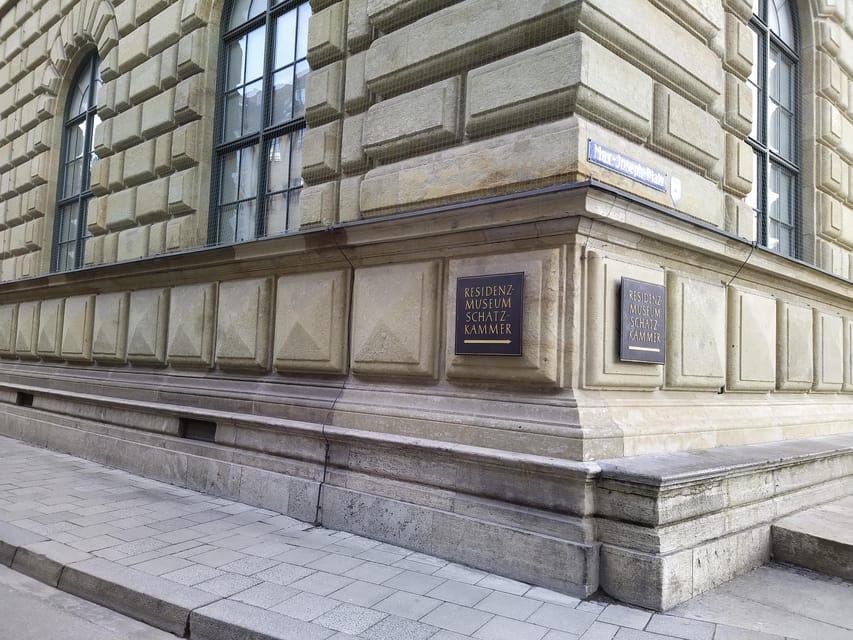
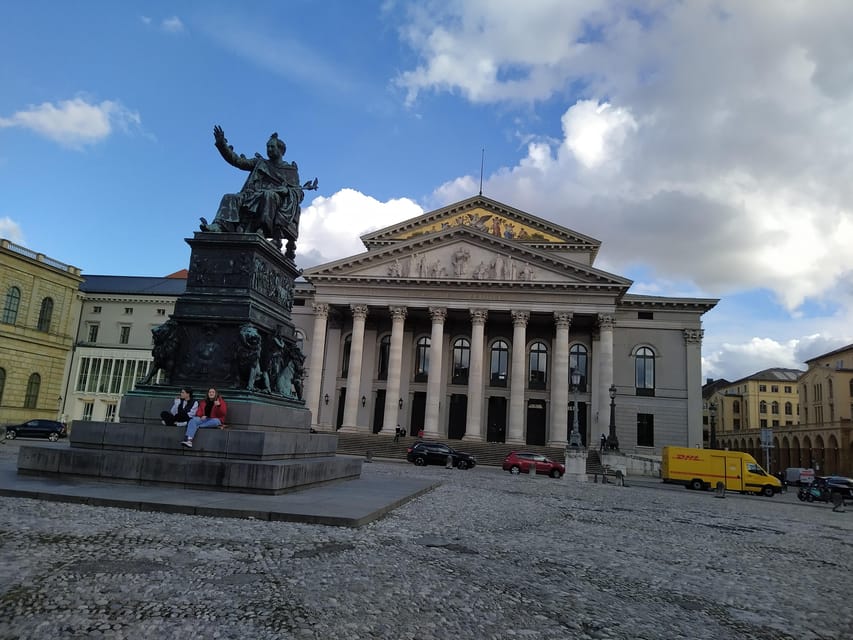
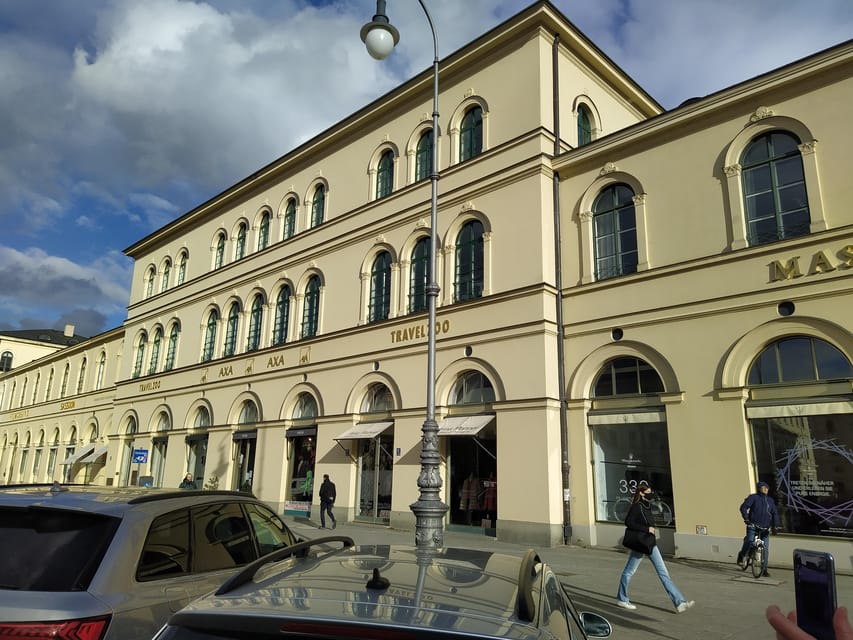
The meeting point is straightforward: Residenzstrasse 21, near the opera. This matters because the Residenz area is busy, and you’ll want to arrive early enough to find your guide quickly at the entrance.
You’re also starting with the biggest practical win: a skip-the-line ticket. That sounds minor until you’re standing at a major Munich museum-palace entrance with other crowds funneling in. Here, the guide helps you turn that waiting time into actual time inside the palace.
The tour is in English and German, so you can match your comfort level on the spot. If you want the story to land (names, timelines, why certain rooms were used), having a guide in your language makes the whole visit click.
You can also read our reviews of more tours and experiences in Munich



Inside Munich’s Residenz: what your 2-hour route is really designed to do
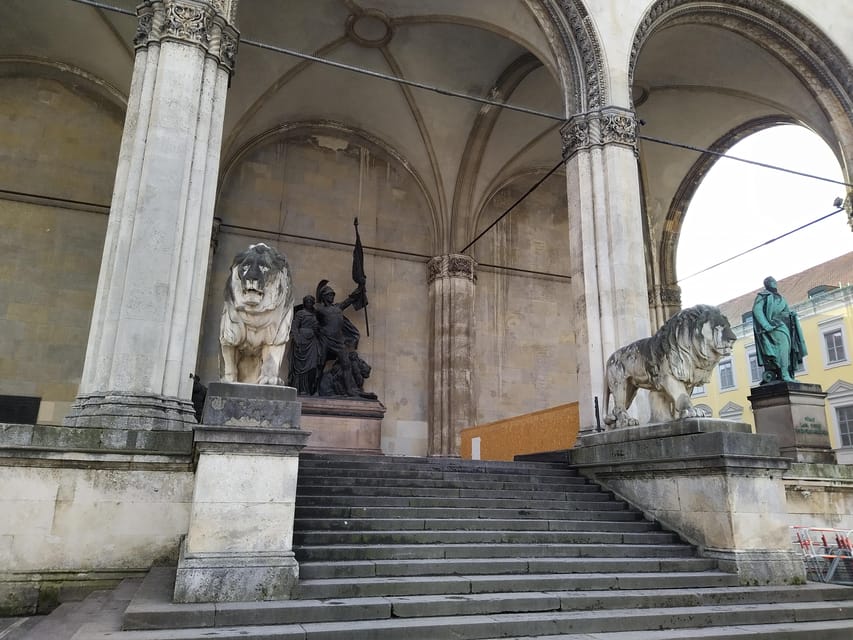
The Residenz covers about 40,000 square meters and includes 136 rooms, so even a motivated self-guided visit can turn into wandering. The point of this tour is to give you a curated path that still feels expansive—without trying to cram everything into one sitting.
As you move through the palace, you’ll get a sense of how the building functions as both a home and a public symbol of power. The guide looks at courtyards and main spaces first, then brings you into the rooms that best illustrate the Wittelsbach legacy.
A good sign you’re on the right track is how quickly your brain starts organizing what you see. Instead of treating each room like a separate postcard, you start noticing patterns: where status shows up, where daily life likely happened, and where politics and court culture would have played out. That’s the value of a human guide here.
Courtyards and major rooms: why that layout matters
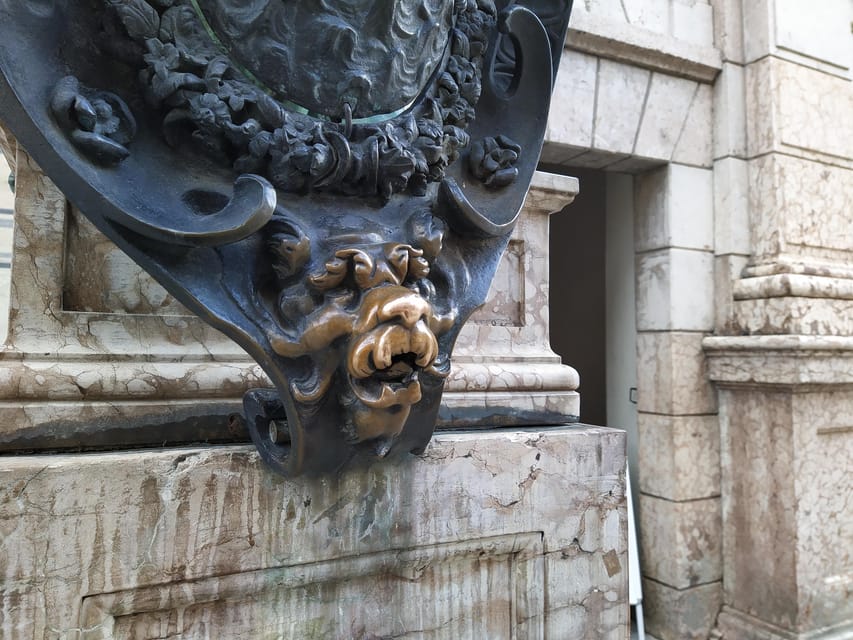
Courtyards in palaces are not just pretty open spaces. They are the palace’s ventilation system for human movement—places where people gather, pass through, and where architecture signals rank.
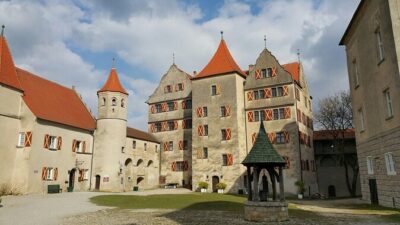
In this tour, you’ll learn how to read those courtyards and the overall layout. You’ll get an overview of the construction and the different parts of the complex, which helps when you later look at other rooms on your own. Even if you only see a slice today, you’ll understand what the rest of the palace is doing.
Expect stops that help you grasp the timeline of occupants. You’re not just seeing rooms; you’re seeing generations. The guide’s job is to connect each space to the last generations of the family that shaped the palace—so the building becomes a story, not just square footage.
Reconstructed work after destruction: seeing what survived, what changed
A key theme is that the palace was once completely destroyed, and what you visit today includes reconstructed work. That’s important, because it changes how you interpret what you see.
The guide points out the reconstructed sections so you understand that the Residenz is not frozen in time. It’s a rebuilt monument that carries both original intention and later choices about how to restore meaning. That context turns the visit from sightseeing into interpretation.
When you know what was lost and what was rebuilt, details stop feeling random. You start asking better questions: Why would they rebuild this aspect? What does it communicate now? Those are the questions your guide is aiming to spark.
Wittelsbach power, Ludwig II, and Napoleon: the side stories that make it real
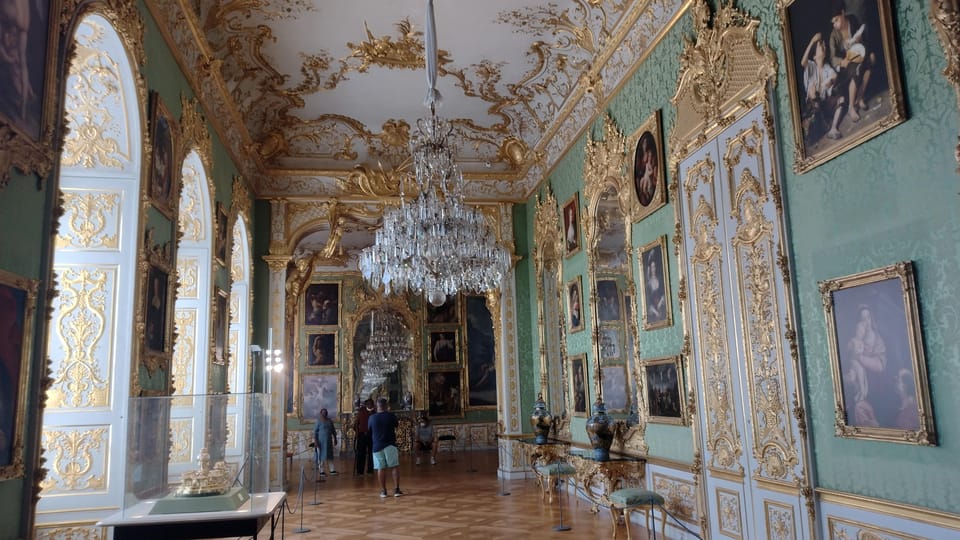
This is where the tour separates from a generic palace walk. The Residenz is connected to centuries of Bavarian leadership, and the guide uses that background to bring famous names into everyday spaces.
You can expect chapters that include:
- the Wittelsbach family’s place as the former royal seat of Bavaria
- the love affairs and personal drama that shaped court life
- King Ludwig II’s incomparable creativity—an angle that fits well with a place full of symbolism
- the relationship with Napoleon, which adds a political edge to what could otherwise feel like pure glamour
These stories aren’t thrown in as trivia. The guide ties them to what you’re standing in front of, so it feels like the building is explaining history back to you.
And if you like your history with a human temperature—court politics, personal relationships, and ambition—this is a strong match. It’s the kind of tour where you start linking rooms to what kind of power was being performed there.
You can also read our reviews of more private tours in Munich






The pacing of a private tour: how it feels in practice
The format is private (or small groups when available), and that changes your whole experience. You’re not rushed through the loudest spaces while the rest of the group catches up. Instead, the guide can keep a steady tempo that suits the pace of the conversation.
Duration is listed as 2 hours, with the activity also describing about 150 minutes. Either way, you’re getting a compact visit that still gives you time for real explanation in the spaces that matter most for the story.
It also means your questions can stay relevant. If something catches your eye—an ornament, a room function, or why a certain courtyard is arranged the way it is—your guide can connect it directly to the larger theme.
In the feedback, guides such as Genny and Freya get high marks for keeping groups moving through the palace efficiently while providing information room by room. That’s a big deal in a place like this where it’s easy to waste time reorienting.
The Cuvellier Theater add-on: worth it, but check what’s included
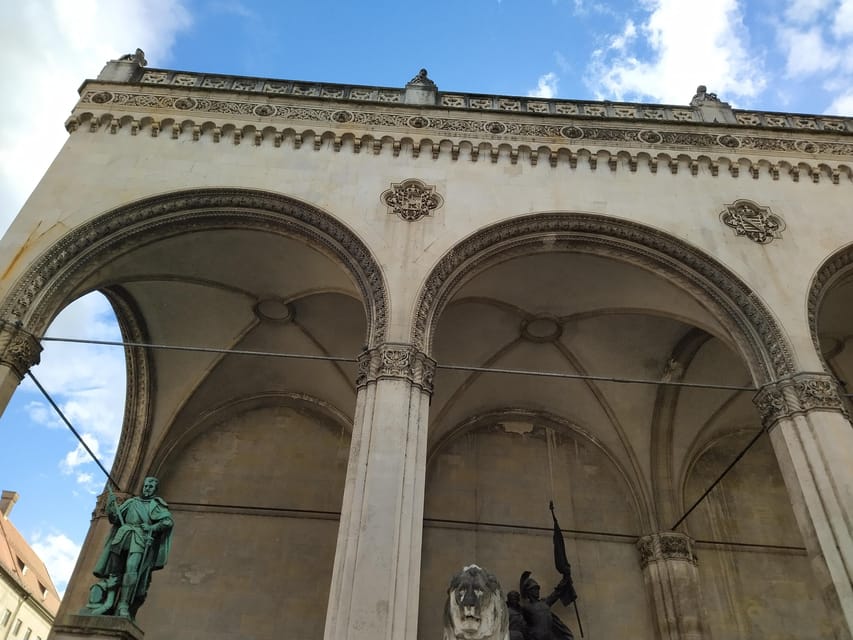
The tour may come in a shorter version focused inside the residence, plus an extended option that includes a complementary visit outside and the Cuvellier Theater. That said, one important real-world note: the Cuvellier Theater has shown up as an extra paid stop (about 5 EUR) rather than fully included for at least one group.
So, here’s the practical move: if the Cuvellier Theater is on your must-see list, confirm which version you booked and whether the theater admission is included or treated as an add-on. That way you’re not surprised when you reach the point where the group splits into optional extras.
The good news is that even when it’s treated as a short stop, it doesn’t take over your whole schedule. You’re still anchored by the main Residenz experience.
Who this tour is best for (and who should skip it)
This works best for adults and teens who want a guided, story-first approach to a massive site. It’s not aimed at strollers or very young kids, because it’s listed as not suitable for children under 12.
It also isn’t suitable for people with mobility impairments, and it’s not recommended for wheelchair users or anyone with pre-existing medical conditions. The palace complex is an old, large interior environment, and the tour length plus walking requires solid mobility.
If you’re traveling with a group and want your own rhythm, the private setup is a plus. If you prefer a slow wander, this tour may feel structured—but that structure is also what keeps your visit from becoming random.
Is the $139 value fair for a private Residenz visit?
At $139 per person, you’re not buying a cheap entry ticket—you’re buying time and clarity. The value comes from two things you can’t easily replicate on your own:
1) Skip-the-line access, which protects your schedule.
2) A guided route inside a palace complex that includes 136 rooms and around 40,000 square meters.
If you tried to do this alone, you’d need either a lot of planning or a willingness to accept that you’ll miss the connecting thread between spaces. This tour gives you that thread.
The time window also helps. Two hours (about 150 minutes) is long enough for real context, but short enough to keep you from feeling like you’re stuck indoors all day. In a city like Munich, where you might stack other sights, that matters.
If you’re the kind of visitor who likes understanding why a room exists and what it signaled at the time, the cost starts to make sense fast.
Practical rules inside the palace (so you don’t get stuck)
Plan for restrictions. The tour notes that several items are not allowed, including plastic bags, drinks, backpacks, alcohol and drugs, plastic bottles, bags, fireworks, explosive substances, and nudity.
That seems strict, but there’s a workable solution: bags must be deposited at the wardrobe. So if you’re used to bringing a day bag, you’ll want to plan for that transfer before you start.
Also keep your carry plan simple. If you travel with a large bag or backpack, expect you’ll need to check it rather than keep it with you during the tour.
Making the most of your visit before and after
This palace sits in the Munich center, near the opera, so it’s easy to pair with other nearby stops. The biggest improvement you can make to your day is to go in with a light mental checklist: courtyard layout, Wittelsbach legacy, Ludwig II personality, and the rebuilt nature of the palace.
After the tour, you’ll be in a better position to explore on your own because you’ll recognize the palace’s internal logic. Even if you don’t revisit every room, you’ll understand what you’re looking at when you glance at spaces outside your guided path.
If you’re museum-fatigued, this is one of the better options because the guide gives the story structure. It doesn’t rely on you reading every plaque to get meaning.
Should you book this Residenz private tour?
Book it if you want a skip-the-line entrance plus a guide who can turn a huge palace into a clear, story-based walk. It’s a strong fit for adults who like history with real characters—especially when the tour focuses on Wittelsbach power, King Ludwig II, and Napoleon’s shadow over court life.
Skip it if accessibility is a concern for you, or if you’re hoping for a fully unguided pace. And if the Cuvellier Theater is a key goal, double-check whether it’s included in your exact version or treated as a paid extra.
If those points work for you, this is one of the more satisfying ways to see Munich’s Residenz without losing your bearings.
FAQ
How long is the Residence of Munich private tour?
The duration is listed as 2 hours to about 150 minutes, depending on the starting time and tour version.
Is the skip-the-line ticket included?
Yes. The skip-the-line ticket is included with the tour.
Where do I meet the guide?
Meet at the entrance near Residenzstrasse 21, close to the opera. The guide will be near the entrance.
What languages is the tour offered in?
The tour is offered in English and German.
Is the Cuvellier Theater included?
The extended version may include a complementary visit outside the residence and the Cuvellier Theater, but it can also be treated as an extra stop. Check what your specific booking includes.
Are there restrictions on what I can bring?
Yes. Plastic bags, drinks, backpacks, alcohol and drugs, plastic bottles, bags, fireworks, explosive substances, and nudity are not allowed. Bags must be deposited at the wardrobe.