REVIEW · MUNICH
800 Years of History: A Munich GPS Audio Tour
Book on Viator →Operated by VoiceMap Audio Tours · Bookable on Viator
800 years of Munich fits in one walk. This GPS audio tour strings together landmark stops in central Munich, starting and ending at Marienplatz, with narration you can control. I especially like the self-paced stop-and-restart setup, and the fact it includes offline audio and maps so you can keep moving. One thing to consider: if you hit construction or confusing open squares, you may need to lean on the on-screen map to stay on track.
I also like the value for what you’re getting: this costs $9.99 and runs roughly 1 hour 10 minutes to 1 hour 30 minutes, so you can slot it into almost any day. Since it’s private for your group, the experience feels calmer than a busy guided walk. If you prefer step-by-step guidance or are picky about accent clarity, plan to use headphones and the VoiceMap app to get the best experience.
In This Review
- Key Highlights Before You Set Off
- Marienplatz to Marienplatz: A GPS Walk You Can Control
- Price and Time: What $9.99 Buys You in Munich
- Using the VoiceMap App: Offline Matters More Than You Think
- The Route in Order: Central Munich Through the Centuries
- Marienplatz: Where You Get Your Bearings Fast
- St. Peter’s Church Area: Big Church, Big Story
- Viktualienmarkt: Food Market Energy Without the Rush
- Honighäusl: A Quick Flavor Stop Along the Way
- Hofbräuhaus: Beer Hall Territory as History You Can Feel
- Alter Hof: A Brief Pause in a Historic Pocket
- Max Joseph Platz: The Transition Point
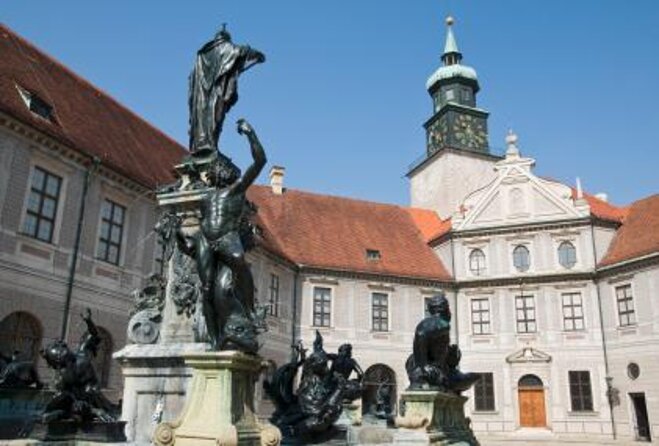
- Residenz: Big-Name Historic Munich
- Feldherrnhalle: Monumental Context on the Move
- Theatine Church: Another Landmark Anchor
- Palais Holnstein: Historic Detail in a Smaller Frame
- Frauenkirche and Frauenplatz: Finishing With a Classic Munich Identity
- Crowds, Construction, and Confusing Corners: How to Stay on Track
- What You’ll Learn (Even Without Pausing Much)
- Best Use Cases: When This Tour Works Best
- What to Bring (So You Don’t Waste Time)
- Should You Book This GPS Audio Tour?
- FAQ
- How long is the Munich GPS audio tour?
- Is the tour available in English?
- Can I download it and use it offline?
- Do I need my own headphones?
- Where does the tour start and end?
- Is this a group tour with strangers?
Key Highlights Before You Set Off
- Offline audio, maps, and geodata so you can walk with less stress about signal
- Stop and start anytime, with lifetime access for repeat visits later
- A tight center-city route that threads major sights without ticket lines
- Private-by-your-group format, so you’re not walking to anyone else’s pace
- A live map on your screen that helps when route flow gets messy
- English narration for travelers who want context, not just locations
Marienplatz to Marienplatz: A GPS Walk You Can Control
This tour is built for a very specific kind of travel day: the kind where you want to see a lot, learn a bit, and still keep your feet moving at your pace. You start at Marienplatz and you end right back there, which is handy when you’re trying to plan dinner, shopping, or a quick rest.
The format is simple. You load the tour on your smartphone, press play when you’re ready, and let GPS guide you from stop to stop. And if you want to pause to read a sign, duck into a shop, or just take a break, you can—no need to keep pace with strangers.
You can also read our reviews of more historical tours in Munich

Price and Time: What $9.99 Buys You in Munich
At $9.99 per person, this is the kind of sightseeing value that makes sense if you’re spending a short amount of time in Munich or you want an easy “orientation loop” first. The time range—about 1 hour 10 minutes to 1 hour 30 minutes—is long enough to feel like you did something meaningful, but short enough that you won’t wreck the rest of your day.
You’re not buying entrance tickets here. You’re buying context and a route that connects big-name places across centuries. For that, the price is fair, especially because you also get lifetime access. If you return to Munich later, you can redo the walk without paying again.
Using the VoiceMap App: Offline Matters More Than You Think
The key to this tour is using the VoiceMap app (on Android or iOS). The tour includes the app, plus offline access to audio, maps, and geodata, so you’re not stuck waiting for a data connection while you’re standing on a sidewalk trying to match your screen to the street.
You’ll also want to bring your own smartphone and headphones. That’s not a small detail. A quiet set of headphones makes the narration much easier to follow, especially in busy areas around major squares and churches.
And one more practical point: if you ever feel the directions are getting confusing, rely on the map you see alongside your location. Construction and temporary barriers can change how easy it is to follow a path, and the on-screen guidance is meant to help you correct course quickly.
The Route in Order: Central Munich Through the Centuries
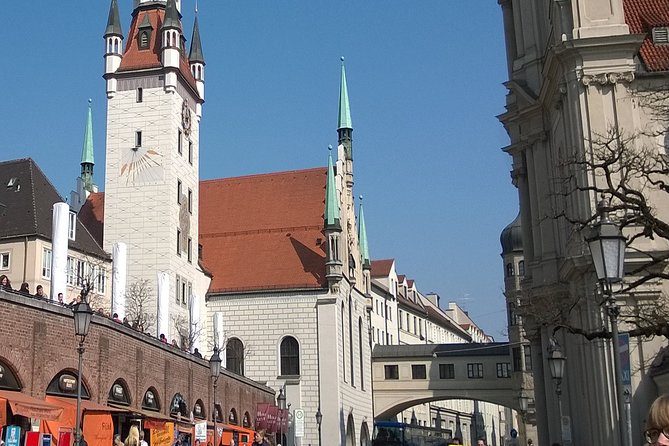
The walking loop hits a classic slice of Munich: grand squares, churches, markets, beer-hall territory, and the kind of historic streets where you can’t help noticing the layers of the city. The tour moves step-by-step through the following sequence, each one tied to the “800 years of history” theme.
Marienplatz: Where You Get Your Bearings Fast
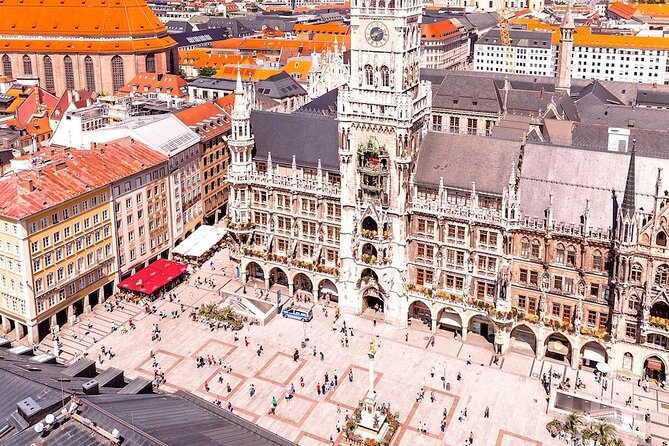
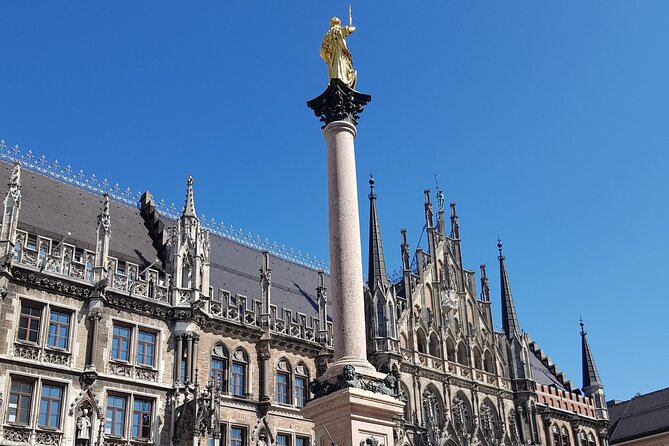
Your tour opens at Marienplatz, the heart of Munich’s old center. This is a smart starting point because the area is recognizable and easy to navigate even before you start listening.
When the narration begins here, you’re basically being handed the tour’s timeline framework. You’ll know what to pay attention to as you move—so later stops feel connected instead of random.
You can also read our reviews of more tours and experiences in Munich




St. Peter’s Church Area: Big Church, Big Story
Next you pass by St. Peters Church. In a self-guided format like this, church stops are valuable because they anchor the walk with obvious “story landmarks.” Even if you’re not going inside, the audio can help you read the place correctly from the street.
If you’re doing this early in your trip, this stop is one of the best moments to start noticing how Munich’s main structures repeat across eras.
Viktualienmarkt: Food Market Energy Without the Rush
You then head through Viktualienmarkt. This is one of those stops where the tour and real life overlap: even if you’re not shopping, it’s an ideal place to pause and grab something small.
One practical perk from the way people use this tour: stopping to eat or browse fits naturally into the route. You’re not locked into a strict group rhythm, so you can time your snacks without feeling behind.
Honighäusl: A Quick Flavor Stop Along the Way
The tour passes by Honighäusl. Even without a ticket plan, this kind of named stop is useful because it gives you a memorable reference point on the route.
It’s also a nice reminder that Munich’s history isn’t only architecture. It’s also food culture and local traditions you can bump into while walking.
Hofbräuhaus: Beer Hall Territory as History You Can Feel
You pass by Hofbräuhaus next. This is where the tour’s “centuries” idea becomes more human. Instead of only thinking about dates, you’re hearing how a city’s famous social spaces can reflect its changing identity over time.
If you’re the type who wants to understand why people care about certain places, this stop is a good checkpoint.
Alter Hof: A Brief Pause in a Historic Pocket
The tour stops briefly in Alter Hof. A short audio “break” like this can be helpful when you’ve been walking for a bit and need your brain to reset.
You’ll get a quick layer of context here without turning the tour into a long detour.
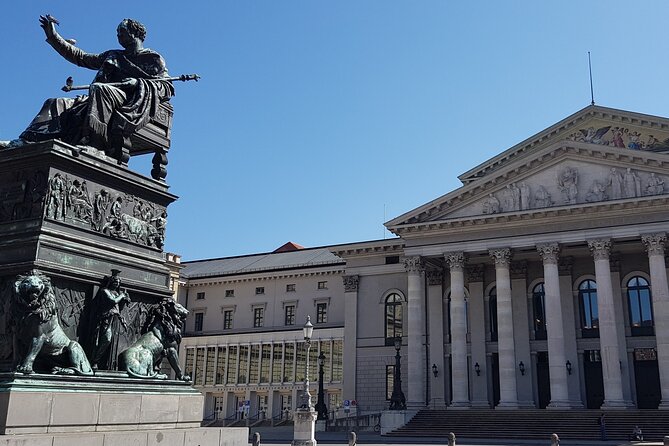
Max Joseph Platz: The Transition Point
Next you pass through Max Joseph Platz. Places like this often sit at the crossroads of what’s old and what’s moving forward, and the audio helps connect the dots as the route continues.
This is also a spot where open space can make navigation a little more sensitive if you’re distracted or if there’s construction nearby.
Residenz: Big-Name Historic Munich
The tour then passes through Residenz. This is a major landmark zone, and it’s one of those stops that feels important even from the sidewalk.
For me, stops like this are where a GPS audio guide actually earns its keep. The narration helps you treat the area as part of the bigger timeline instead of a place you simply walk past.
Feldherrnhalle: Monumental Context on the Move
You pass by Feldherrnhalle. Stops like this are great for listening on foot because you can keep your eyes up while the story builds in your headphones.
It’s also a natural place to slow down if you want better photos or just a moment of quiet attention.
Theatine Church: Another Landmark Anchor
Next comes Theatine Church. You get another strong architectural reference point, and that matters on a self-guided tour. Without a guide, the city can feel like a string of pretty buildings. With audio, each stop becomes a chapter.
If you’re planning to shop afterward, this is also a good time to mentally note where you want to linger.
Palais Holnstein: Historic Detail in a Smaller Frame
You then pass by Palais Holnstein. This is one of the spots that can feel less obvious than the big squares, which is why the audio framing helps. It gives you a reason to look closely instead of only glancing and moving on.
In a self-paced walk, these “in-between” points are often where the tour becomes most memorable.
Frauenkirche and Frauenplatz: Finishing With a Classic Munich Identity
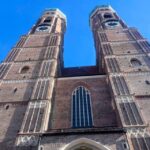
Finally, you pass by Frauenkirche and through Frauenplatz. This ending stretch is satisfying because it lands you back in a recognizable Munich identity zone, after you’ve already built context along the way.
Walking back to Marienplatz afterward feels like a complete loop, not a random route that cuts your day in half.
Crowds, Construction, and Confusing Corners: How to Stay on Track
The biggest practical risk with any self-guided walking route is that the real world can change faster than your plan. One common issue is construction, which can make the route harder to follow, especially near open squares.
Here’s how to handle it: watch your screen map. The tour is designed so you can correct quickly rather than stubbornly walking the wrong direction. Also, use headphones so you can keep listening while you adjust your path.
And if you ever feel stuck—stop for a second, check the GPS position, then continue. With this tour, you don’t lose time waiting for someone else to catch up. You simply keep moving.
What You’ll Learn (Even Without Pausing Much)
This is not a “read every plaque” experience. You’re guided through storied landmarks with audio that turns the route into a timeline. That’s the value: it helps you connect what you’re seeing now to what came before.
In feedback on the experience, clarity and navigation are often the make-or-break factors. When the audio is easy to follow, you get a smooth walk where each stop adds a layer. When it’s hard to follow, people tend to label the tour boring—usually because they aren’t getting enough usable guidance at the moment they need it.
So if you want a good result, treat it like this: press play, listen actively for each stop, and don’t rush through the map moments.
Best Use Cases: When This Tour Works Best
This is ideal when you want to get oriented fast. One of the strongest uses is doing it as your first evening, because it gives you a mental map of central Munich before you commit to longer sightseeing plans.
It’s also a great option if your schedule is flexible. Because you can stop and start, you can fit in a quick snack at a market or pause to browse without feeling like you’re stealing time from a group.
And because it’s private to your group, it tends to feel less rushed than tours where you must keep up with a guide’s pace.
What to Bring (So You Don’t Waste Time)
You only need a few basics for a smooth walk:
- your smartphone
- headphones
- comfortable walking shoes
If you want the full experience, plan to keep your battery in mind. The tour is built for offline use, but your phone still needs power for the app and GPS.
If you’re doing this in peak tourist hours, be ready for slower crossings and more noise near major sights. That’s normal in central Munich, and it’s why headphones help.
Should You Book This GPS Audio Tour?
Yes, if you want a low-cost way to stitch together central Munich landmarks and learn as you walk. The $9.99 price makes sense for a short visit, and the lifetime access is a nice bonus if you return. If you like control—pause for food, linger at a church area, then continue—this format is a strong match.
I’d think twice if you strongly dislike self-guided navigation or you know you get frustrated by construction detours. In those moments, you’ll need to use the live map and be willing to slow down to stay aligned.
If you’re on the fence, here’s the simple rule: if you can handle a smartphone walk with GPS, you’ll likely find this one worth it.
FAQ
How long is the Munich GPS audio tour?
It takes about 1 hour 10 minutes to 1 hour 30 minutes.
Is the tour available in English?
Yes, the tour is offered in English.
Can I download it and use it offline?
Yes. It includes offline access to audio, maps, and geodata.
Do I need my own headphones?
Yes. Smartphone and headphones are not included, so you’ll need to bring both.
Where does the tour start and end?
It starts at Marienplatz (80331 München-Altstadt-Lehel) and ends back at the meeting point.
Is this a group tour with strangers?
No. It’s a private tour/activity limited to just your group.