REVIEW · MUNICH
Munich: Scavenger Hunt Self-Guided Tour for Children
Book on GetYourGuide →Operated by Stadtspiel Schnitzeljagd GmbH · Bookable on GetYourGuide
Munich can feel big and busy, but this turns it into a game. I like that it mixes major old-town landmarks with numbered puzzles, so kids stay engaged while you still get real sightseeing. I also love that you move at your own speed, with the option to pause for photos or breaks without breaking the flow. The main catch: the riddles can feel a bit easy for children closer to 12 (and especially for some 10–12 year olds).
Since there is no guide meeting you on-site, the experience runs on your family’s momentum. That’s a plus if you hate rigid schedules, but it also means you should be comfortable reading directions and keeping track of the envelopes. Overall, it’s an easy-value way to make Munich’s center feel like a route you actually remember, not just a checklist.
In This Review
- Key things to know before you start
- How the numbered-envelope scavenger hunt works in Munich
- Starting at Stachus: getting your bearings without a guide
- Frauenkirche: solving the clue at Munich’s symbol
- Marienplatz and the town halls: old and new in one walk
- Viktualienmarkt: turning a market stop into real curiosity
- Pacing, photos, and the 150-minute sweet spot
- Price and value: why $47 per group can work
- What you won’t get (and what to plan for)
- The Munich logistics that matter: shipping the box
- Who this is best for: ages, families, and even Munich locals
- Should you book this Munich scavenger hunt?
- FAQ
- How does the scavenger hunt work without a guide?
- Where does the tour start?
- What sights are included in the route?
- How long does the tour take?
- What happens if we get stuck?
- Do we need to buy tickets or pay entrance fees?
Key things to know before you start
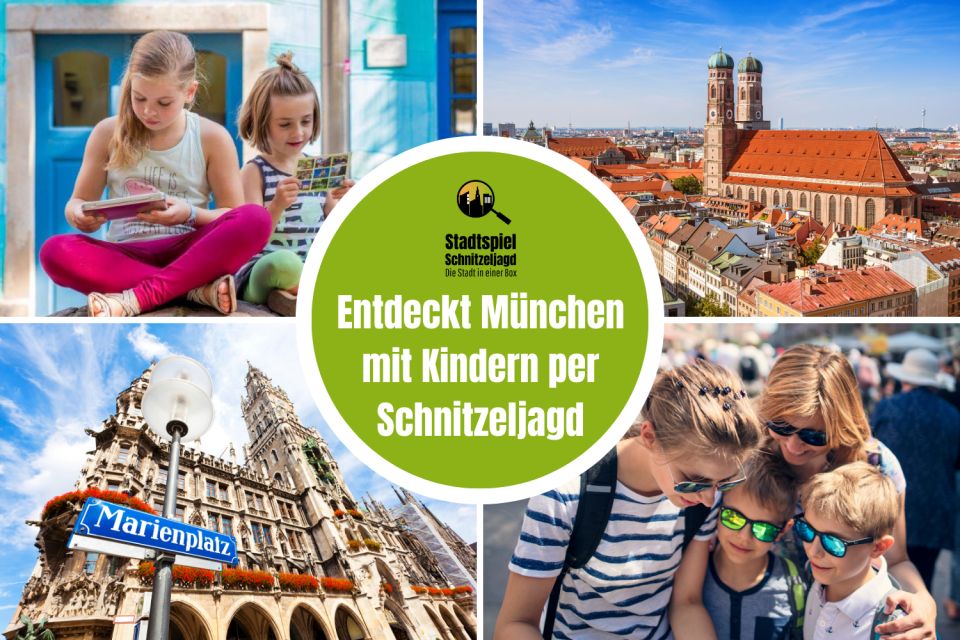
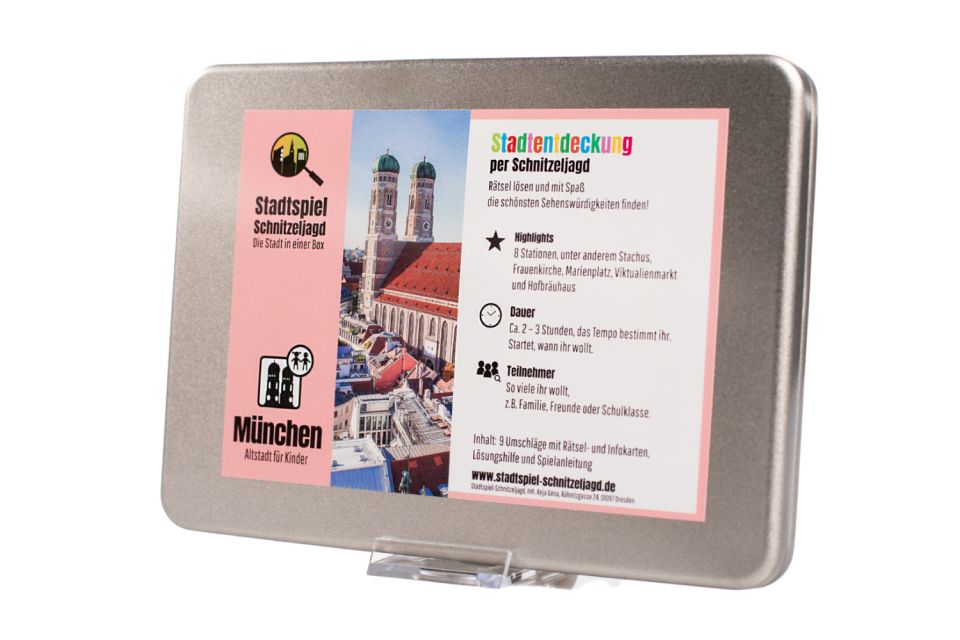
- Self-guided, envelope-based route: 8 numbered envelopes with riddles, directions, and kid-friendly facts.
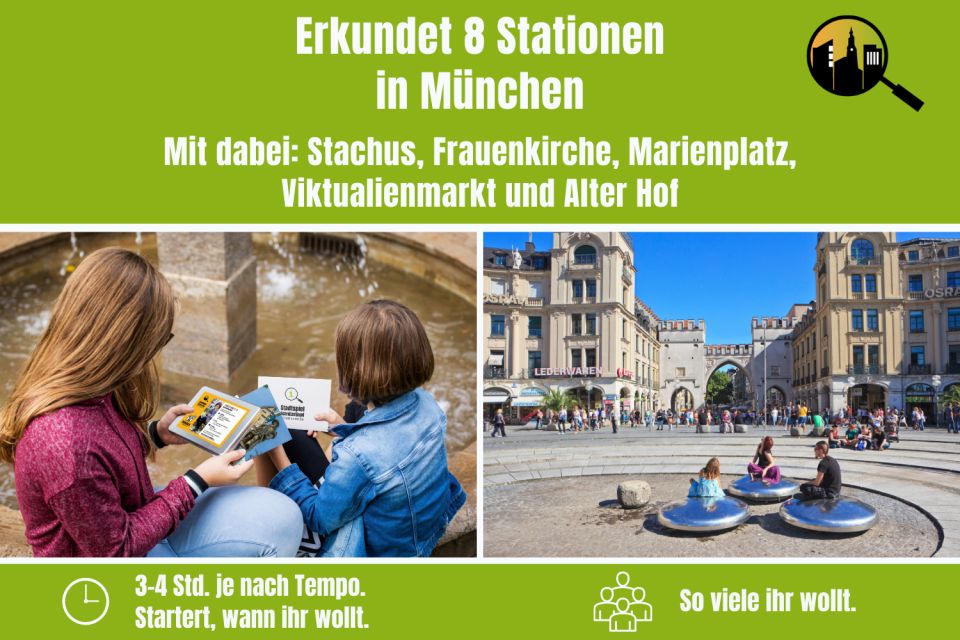
- Major sights built into the game: Frauenkirche, Marienplatz, Altes Rathaus, Neues Rathaus, and Viktualienmarkt.
- You control the pacing: pause anytime for photos or to take a breather.
- Help is built in: an emergency envelope includes all solutions if you get stuck.
- Works for a mixed group size: priced for a group up to 10, and it’s designed for kids about 6 to 12.
How the numbered-envelope scavenger hunt works in Munich
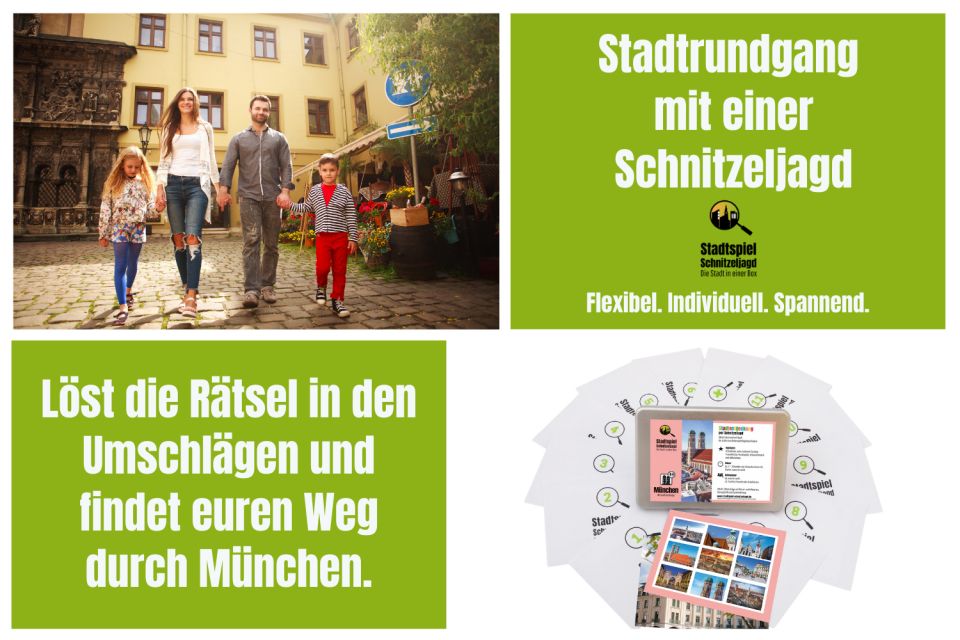
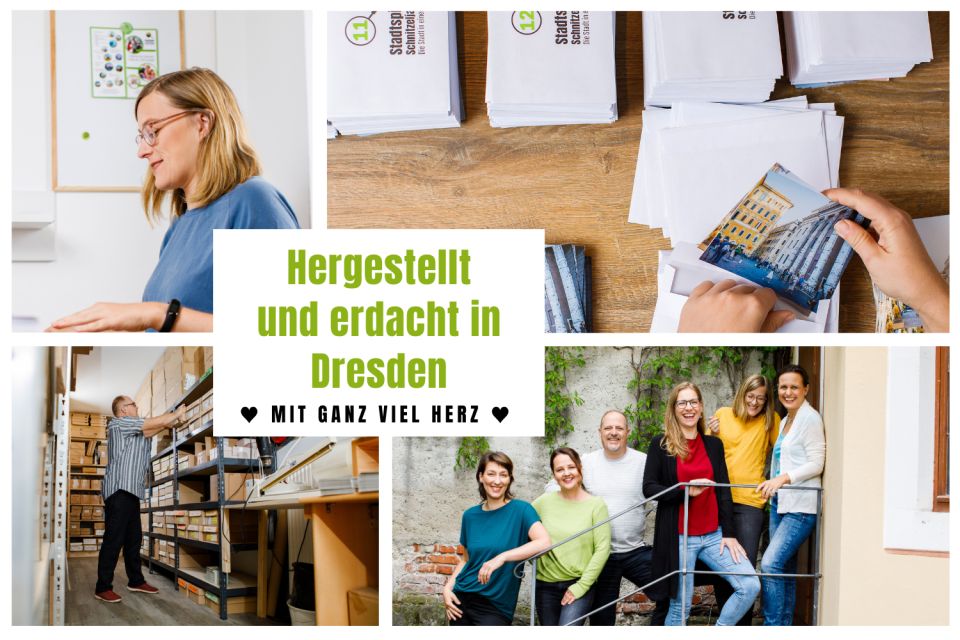
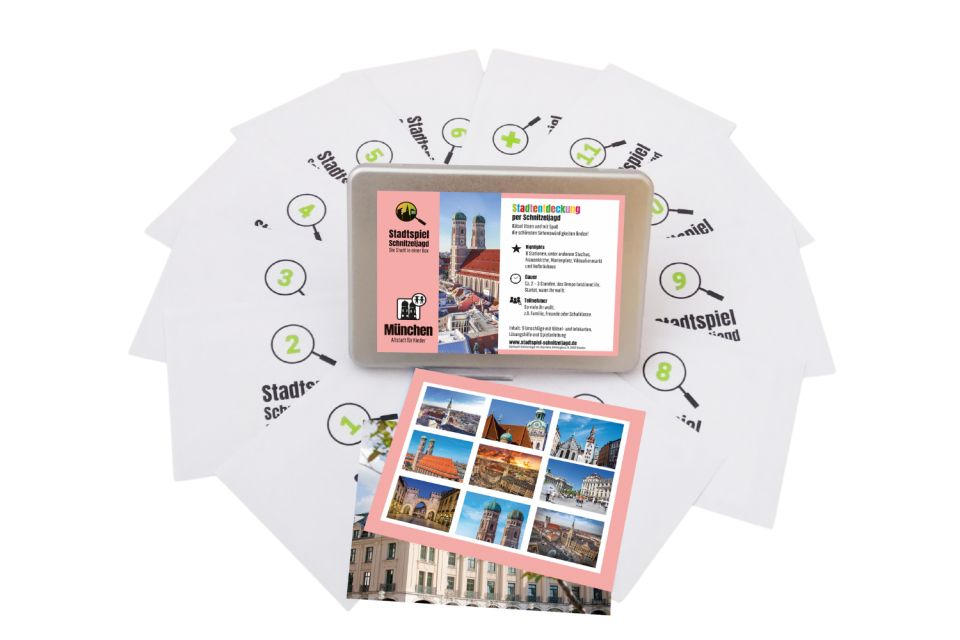
This is not a guided tour where someone talks at you for 90 minutes. It’s a walk-through game. Before you go, you receive a scavenger hunt box by mail (within Germany), and inside are 8 envelopes plus an emergency envelope.
Each numbered envelope is part of the story. You open one when you’re at the next spot, read the clue, and then use the directions to get to the next landmark. Along the way, the envelopes also include information and kid-friendly facts. That means the riddles aren’t just trivia for fun; they guide your eyes and attention to specific details you might otherwise walk right past.
The pace is the real strength. You can slow down to let a child decode a clue, stop for a photo, or take a short break if the crowd levels or energy levels shift. The whole experience is set for about 150 minutes, but the format is flexible enough that it rarely feels like a timer is chasing you.
And because it’s self-guided, it can be as easy or challenging as you make it. If you want it more game-like, you can race to the next answer. If you want it more educational, you can read the kid-friendly facts more carefully and talk through what each clue is pointing to.
You can also read our reviews of more guided tours in Munich



Starting at Stachus: getting your bearings without a guide
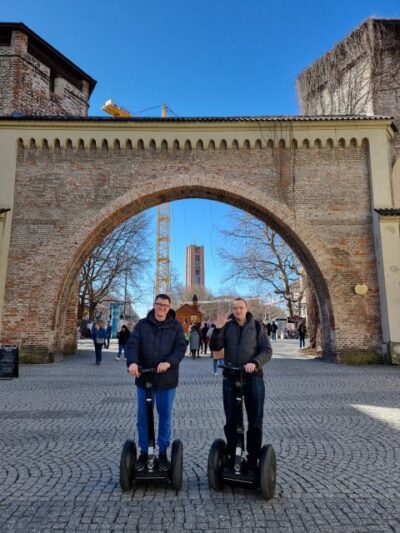
Your starting point is Stachus, the big central square in Munich. This matters because it’s a natural hub for walking into the old town sights. It’s also easy for families to orient themselves—no one needs to find a hidden meeting location.
There is no guide at the meeting point. That can feel strange at first, but it also keeps things simple. You show up with the box you received by mail, open envelope 1 when you’re ready, and start moving.
Practical advice: arrive with shoes that can handle city pavement, and give yourself a quick moment at the square to get the first clue open. Once you’re rolling, you’ll have a clear sense of what you’re looking for—so you’re not wandering while everyone tries to figure out the plan.
Also, note the timing flexibility: you can start on any date and at any time you wish. The experience itself only depends on having the box in hand.
Frauenkirche: solving the clue at Munich’s symbol
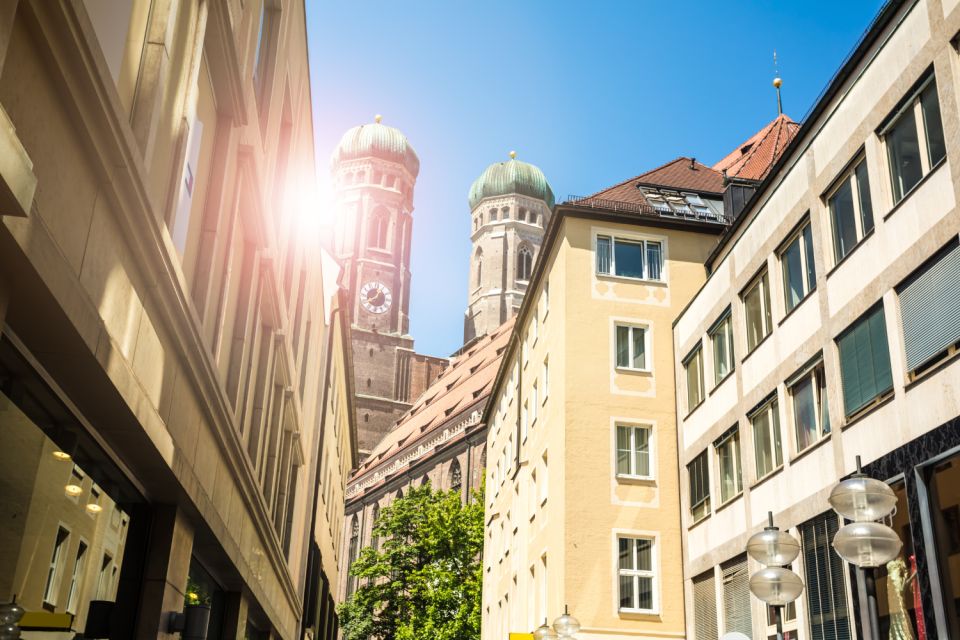
One of the biggest reasons this works well for families is that it uses landmarks people already recognize. The route includes the Frauenkirche, widely considered a symbol of Munich. Even if your kids don’t know the church name today, they’re likely to notice it once you’re close. That visual punch makes the riddle feel instantly relevant.
When you hit the Frauenkirche area, expect the game to shift from getting your route together to paying attention to specific features. The envelope instructions and questions are designed to point you at the kind of details that create that moment of, Oh, that’s what they meant.
A nice part of the envelope format here is that it lowers the pressure. Instead of trying to listen while someone explains everything, your child reads a clue, you help translate the steps, and then your eyes do the learning. It’s a hands-on way to connect the building to the story the city tells.
Possible consideration: if your child already knows a lot about architecture or history, the puzzle portion here might feel lighter. Still, the experience is often the most fun for families who want structure but also want the walking to stay relaxed.
Marienplatz and the town halls: old and new in one walk
Next up is Marienplatz, the heart of Munich’s old town. This is where the route gains real emotional energy. Kids love squares because there’s space to look around, point, and reset between clues.
At Marienplatz, the game brings you to both the Altes Rathaus (Old Town Hall) and the Neues Rathaus (New Town Hall). Having old and new side by side is a smart teaching setup. It’s a built-in comparison: you’re not just learning facts about one building; you’re noticing how time changes styles, shapes, and character.
In this part of the walk, I like that the info included in the envelopes is paired with directions. You’re not just hearing general statements. You’re moving through a visual environment while solving the next step. That makes the sightseeing stick.
If you’re traveling with a child who gets impatient standing still, this segment usually helps. You can keep moving from clue to clue, then take short pauses to read the kid-friendly facts or snap a quick photo. It’s a good balance between action and attention.
One more thing: Marienplatz is a central public area, so it can get crowded depending on the time of day. Since you’re not locked into a strict group tour schedule, you can slow down, take a detour for a clearer view, or wait until your family has room to read the next envelope comfortably.
Viktualienmarkt: turning a market stop into real curiosity
The route also includes Viktualienmarkt, a popular gourmet food market. This is where the scavenger hunt’s format pays off in a different way: markets are naturally interactive, and clues give you a reason to look closer instead of just strolling.
You’ll likely find this segment especially enjoyable if your kids like novelty, smells, colors, and people-watching. Even without food included, the market setting makes it easy to keep everyone engaged. The envelopes bring context and kid-friendly facts, so you’re not just walking through stalls—you’re learning what this place is and why locals care about it.
Practical tip: this is a great moment to take a longer break. The hunt format lets you stop as needed, and the market environment is perfect for it. If you decide to buy a snack or drink on your own, it won’t derail the experience—just get back to the next clue when everyone’s ready.
Potential drawback: the tour doesn’t include food or beverages, and there are no entrance fees included either. So if your family tends to expect a meal included in the price, you’ll want to plan small purchases on your own time.
You can also read our reviews of more tours and experiences in Munich





Pacing, photos, and the 150-minute sweet spot
The tour is designed for about 150 minutes. That’s long enough to feel like you did something real, but not so long that kids need constant entertainment. The structure of “envelope, location, clue, move again” creates natural breaks that keep momentum.
The best part for me is that you can pause the game. That means you’re not forced to hurry through crowded areas or stand with your kids while everyone pretends they’re listening. If one child needs a restroom stop or water, you can handle it and then continue when everyone’s ready.
For photos, the built-in pause option is huge. Munich’s center is photogenic, but trying to take pictures while also trying to solve clues can get chaotic. Here, the scavenger hunt format gives you permission to stop, look, and capture what you see.
A small reality check: if you have a very fast-reading, puzzle-loving group, you might finish faster than you expect. If your kids take their time with each envelope, it could stretch closer to the full 150 minutes. Either way, you’re walking between major sights, so the route is still a win.
Price and value: why $47 per group can work
At $47 per group up to 10, this is priced in a way that makes family travel feel more affordable than typical per-person tours. The value isn’t just the cost—it’s the way you get to share the experience. The box and envelopes are for your group, so grandparents, older teens, and younger kids can all participate without the price climbing for each person.
This is also a smart buy if you plan to walk anyway. Munich’s center is made for strolling, and the scavenger hunt turns that walking into a storyline. You’re essentially paying for structure, guidance-through-clues, and built-in kid-focused explanations.
One note from the feedback you should keep in mind: the puzzles may feel easy for some 10–12 year olds. If your child is older, super competitive, or deeply puzzle-motivated, you might want to treat the hunt as a warm-up game and add your own mini-challenges (for example, asking them to read the facts and then explain them back).
Still, for many families, the mix of “game + landmarks + freedom” is the reason this is worth it.
What you won’t get (and what to plan for)
This experience is self-guided, and that affects what’s included.
What’s included:
- The scavenger hunt box (including shipping)
- 8 envelopes with riddles, directions, information, and kid-friendly facts
- An emergency envelope with all solutions
What’s not included:
- A guide
- Food and beverages
- Arrival and departure to the tour
- Entrance fees
- Transportation tickets
So here’s how to plan smartly. Treat it like a family activity you start from Stachus and then enjoy at street level. Come with comfortable shoes, and decide ahead of time how you’ll handle meals if you’re out for the full 150 minutes.
Also, because entrance fees aren’t included, you should assume you’re mainly doing exterior sightseeing and reading what’s offered in the envelopes. If your family wants to enter the buildings, you’ll need to plan that separately.
The Munich logistics that matter: shipping the box
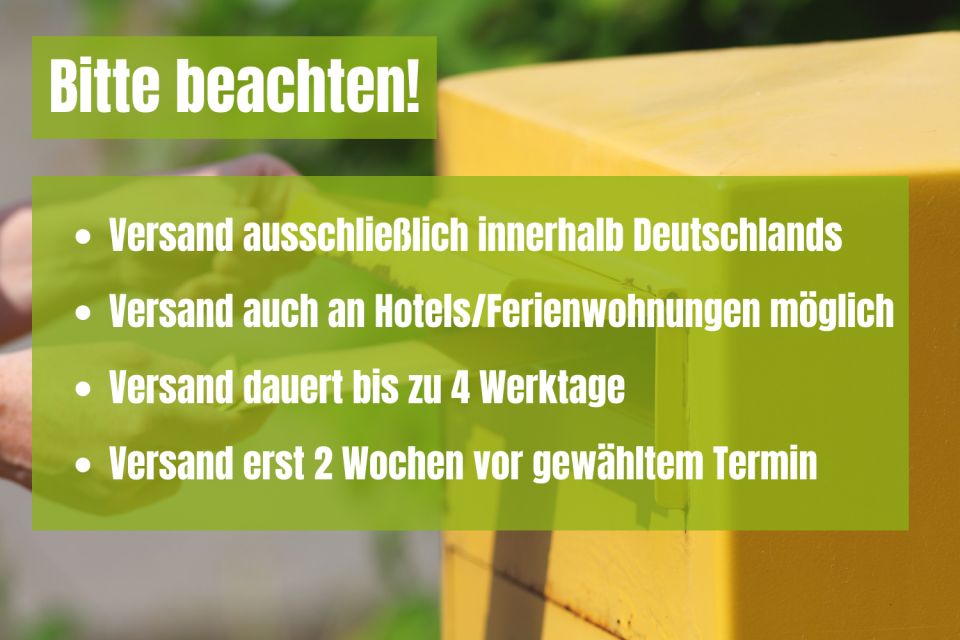
This scavenger hunt is delivered by mail, not picked up locally. You’ll receive the box via shipping, and shipping can take up to 4 working days within Germany. It ships at the earliest 2 weeks before your selected date.
Important practical detail: you need to provide a shipping address. And there is no box pickup in Munich. That means you should only pick dates when you’re confident the box will arrive in time.
Good news: the experience can be done after you receive the box, regardless of the selected date and time. So if your schedule shifts, you’re not stuck.
Who this is best for: ages, families, and even Munich locals
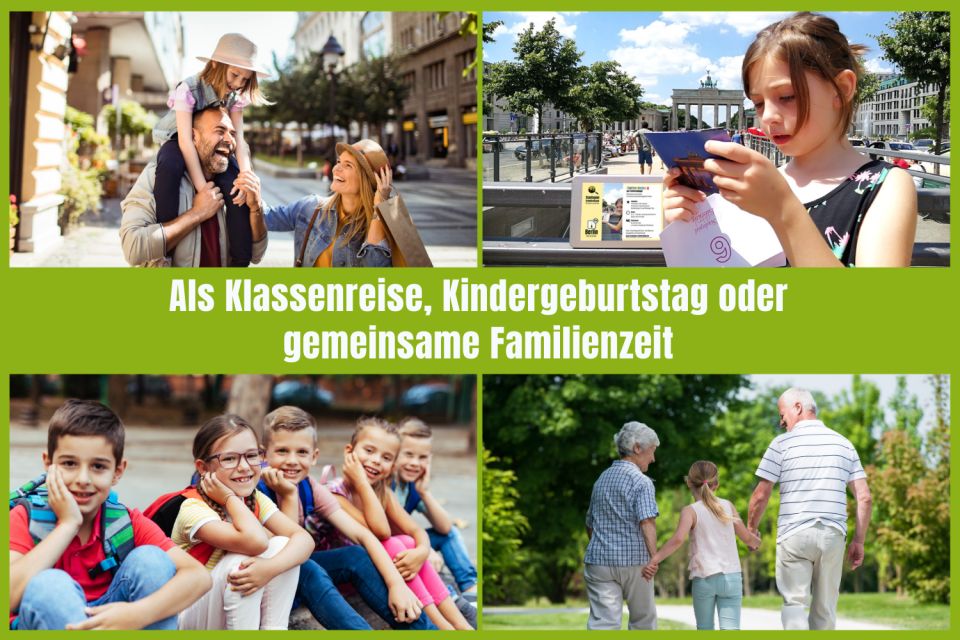
This scavenger hunt is built for children around 6 to 12. It’s designed so younger kids can participate without needing a lot of specialized knowledge, and older kids still feel like they’re solving something.
From the range of ages that people bring, it also seems to work well when you have a mixed group—like a family with kids plus adults who don’t want to just stand and listen. The envelope structure keeps everyone involved, even if adults do more explaining.
If you’re from Munich, you might still enjoy it. The route hits major landmarks (Frauenkirche, Marienplatz, and Viktualienmarkt), but the kid-friendly facts and the way the clues direct your attention can reveal angles you may not have noticed.
If your children are puzzle masters who get bored easily, consider that one piece of feedback you should heed: some 10–12 year olds found the riddles on the easier side. In that case, you may want to use the hunt as a family walk with a light challenge, not a brain-busting escape room.
Should you book this Munich scavenger hunt?
Yes, I’d book it if your family wants a low-pressure way to see the old-town highlights without being tied to a guide’s pace. It’s especially good for families with kids who like tasks, clues, and mini-rewards, because the numbered envelopes create that natural game rhythm.
You should think twice if your child is older, highly competitive with puzzles, and expects the hunt to be challenging all the way through. It may still be fun, but the puzzle level might not fully match that need.
If you do book, do one thing that boosts success: read the first envelope together before you start walking. Then let the game take over. With a little structure from you at the beginning, the rest of the route becomes an easy, memorable way to experience central Munich.
FAQ
How does the scavenger hunt work without a guide?
You receive a scavenger hunt box by mail. At Stachus, you start on your own by opening the numbered envelopes, following the directions and solving the riddles. There is no guide at the meeting point.
Where does the tour start?
The tour starts at Stachus, the large central square in Munich.
What sights are included in the route?
The hunt is designed to take you to the Frauenkirche, Marienplatz (including both Altes Rathaus and Neues Rathaus), and Viktualienmarkt.
How long does the tour take?
The duration is about 150 minutes.
What happens if we get stuck?
You have an emergency envelope that includes all the solutions.
Do we need to buy tickets or pay entrance fees?
Entrance fees and transportation tickets are not included, and food and beverages are not included either.