REVIEW · MUNICH
Munich: Nazi History 2-Hour Small Group Walking Tour
Book on GetYourGuide →Operated by Alun Evans Personal Tour Guiding Munich · Bookable on GetYourGuide
Munich has a darker storyline. This Nazi history walking tour ties key locations to the rise of the party, starting with Hitler’s 1913 arrival and moving through the moment the Beer Hall Putsch failed. It’s a short route, but it still shows how propaganda, rallies, and power took shape in real places.
What I like most is the way the tour stays human. Your guide, Alun Evans, is reported to treat everyone with respect and keep things engaging, with stories that make written history easier to follow and harder to ignore.
One thing to keep in mind: 2 hours moves fast. You’re outside, in all weather, and the subject matter is heavy, so this is not the kind of tour for zoning out or multitasking on your phone.
In This Review
- Key takeaways before you go
- Two hours in Munich: why this walk works
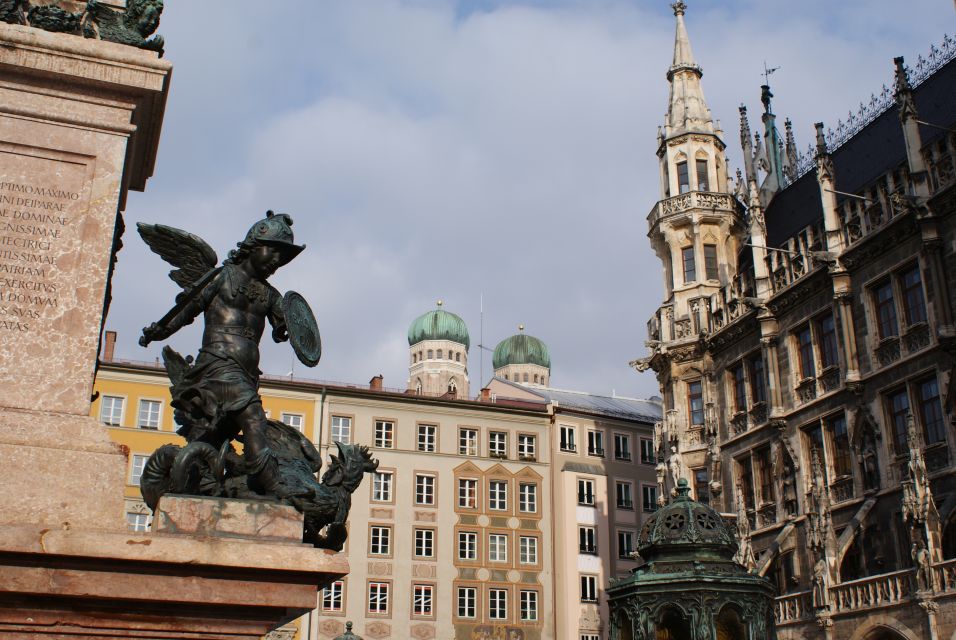
- Marienplatz: the launch point and the context you need
- A small consideration
- Hofbräuhaus München: when rallies turned into performance
- What makes this stop valuable
- Odeonsplatz: the stage, the opera house, and the 1923 rupture
- A practical note
- Where the rallies happened: Koenigsplatz and the geometry of power
- If you’re still feeling it
- The guide, Alun Evans: how the tone stays respectful
- One more plus
- Price and value: is $58 fair for 2 hours?
- What’s not included
- How to plan your day around this tour
- Best match
- Not the best match
- Should you book this Nazi History walking tour in Munich?
- FAQ
- How long is the Munich Nazi history walking tour?
- Where does the tour start and end?
- Where exactly should I meet the guide?
- What language is the guide?
- How big is the group?
- Is hotel pickup included?
- Does the tour run in bad weather?
- What is included, and what should I plan for separately?
- What cancellation window applies?
Key takeaways before you go
- Small-group feel: maximum group size is stated as 10 participants, and the tour description also mentions up to 15
- Local, English-speaking guide: Alun Evans leads with clarity and an approachable tone
- Marienplatz to Koenigsplatz: you start in the tourist heart and finish at the rally ground zone
- Nazi party and SS locations: the route focuses on places tied to public events, not just abstract facts
- Weather-ready tour: it runs in all conditions, so dress for the day you get
- Short but pointed: a focused 2-hour format means you may want more time afterward to ask questions
Two hours in Munich: why this walk works
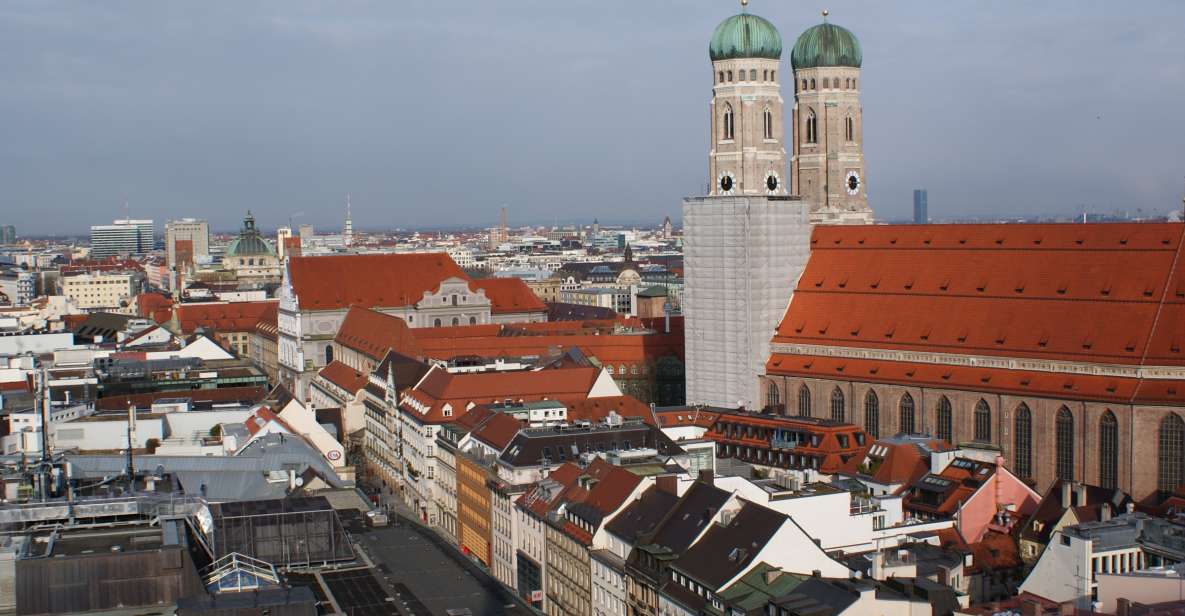
This tour is built for people who want the context without spending the entire day. You get a tight timeline of how the Nazi movement gained traction in Munich, with stop-by-stop explanations that link politics to specific buildings and squares.
I also like that it doesn’t treat this as a sightseeing checklist. Munich is a beautiful city, and that contrast matters. You’ll be looking at grand public spaces and prominent institutions while the guide explains what happened there and why it mattered.
Finally, the small group format is a practical advantage. With fewer people, you can actually ask follow-up questions instead of shouting over a crowd. That matters most when the topic is emotional and detailed at the same time.
You can also read our reviews of more walking tours in Munich
Marienplatz: the launch point and the context you need
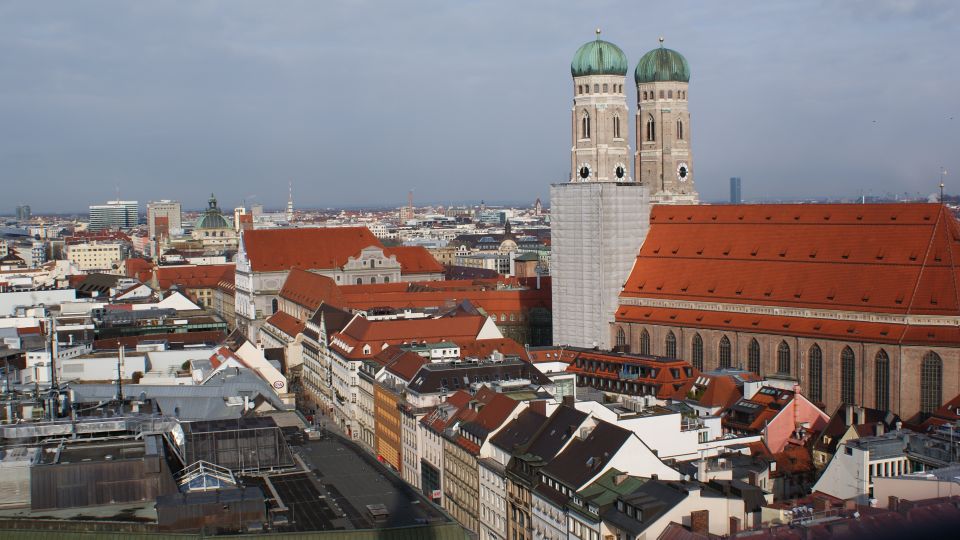
The tour starts at Marienplatz, Munich’s central square, where you meet in front of the Tourist information Center. It’s an easy location to find, and your guide holds a sign with the local operator name so you can get oriented fast.
The first part of the walk is spent setting the scene. Marienplatz matters here because it anchors you in the city’s everyday center before the story moves into darker territory. You also get a framing idea: Munich didn’t just get swept into Nazism overnight; it became fertile ground for a movement that could organize, recruit, and rally supporters.
This is where you’ll hear the tour’s starting thread: Hitler’s 1913 arrival in Munich as a 24-year-old man with no clear prospects. That detail isn’t there for trivia. It helps explain why the early stage of the movement is about opportunity, networking, and finding an opening in a specific place.
A small consideration
Marienplatz is open and busy. On crowded days, you might want to show up a few minutes early so you’re not trying to spot the sign in mid-surge. The good news: the meeting setup is meant to be straightforward.
Hofbräuhaus München: when rallies turned into performance
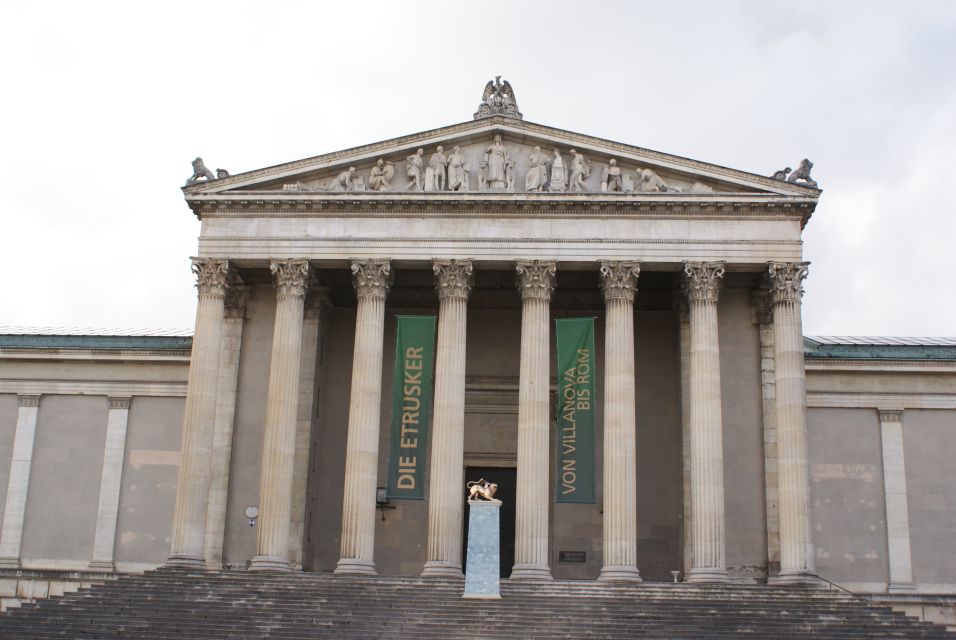
From Marienplatz you move to Hofbräuhaus München, one of Munich’s most famous beer halls. The stop is short, but the point is big: this is tied to how the Nazi party used public gatherings to build momentum.
At Hofbräuhaus, you’re not just learning about what happened; you’re learning why this kind of venue was useful. Beer halls were social hubs. Put a message in a place where people already gather, and you get repeat exposure. Add strong speakers and a crowd, and the message becomes an event, not just a poster.
The tour also connects the beer hall to Hitler’s speeches. That’s where the history becomes uncomfortable in a very direct way. You’re standing in a real setting that people still associate with tradition and celebration, while the guide explains the political use of that space during the Nazi era.
What makes this stop valuable
You’ll likely leave Hofbräuhaus with a clearer sense of how rhetoric and spectacle worked together. It’s one thing to read about propaganda. It’s another to understand how it was delivered in ordinary everyday social formats.
You can also read our reviews of more historical tours in Munich

Odeonsplatz: the stage, the opera house, and the 1923 rupture
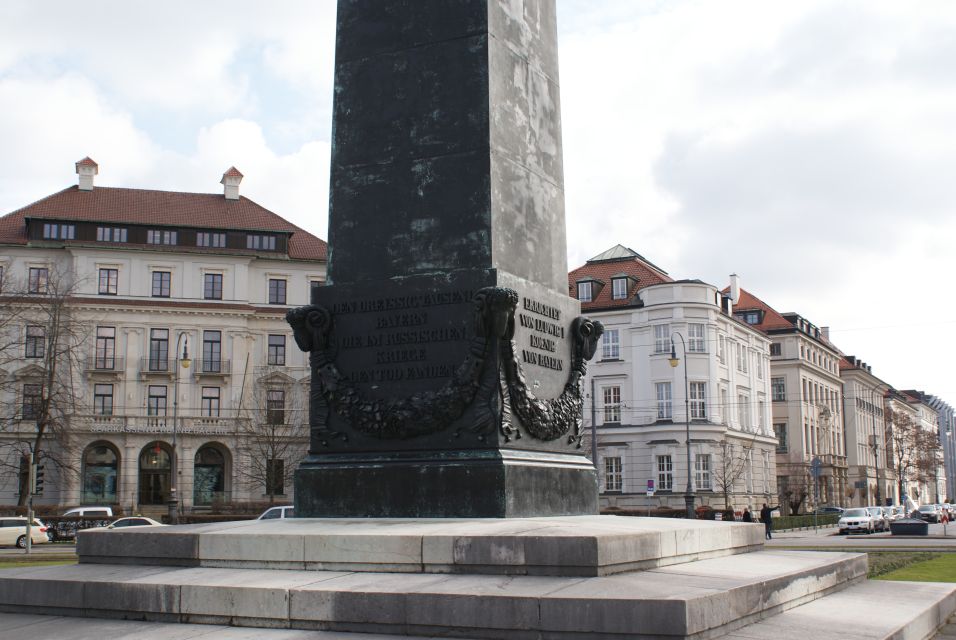
Next up is Odeonsplatz, a dramatic square surrounded by significant architecture. The tour includes a look at the home of the Bavarian State Opera and the Residenz building, and then it shifts from beauty to the political machinery happening around it.
Odeonsplatz is also connected to the site of the failed Beer Hall Putsch of 1923. The guide uses this moment to show how the Nazi movement tried a bold takeover attempt and didn’t get the outcome it wanted.
This stop is a good checkpoint in the tour. After talking about speeches and gathering places, you now get a reality check: not every attempt succeeded, but the movement kept going. That’s part of what makes the story matter. The failed coup didn’t end the political project; it changed tactics and added fuel for the next phase.
A practical note
Because this is a square area and the tour is time-boxed, you’ll get just enough time to orient yourself and absorb the explanation without turning it into a museum visit. If you like to linger and take slow photos, plan to spend a bit of extra time on your own after the tour ends.
Where the rallies happened: Koenigsplatz and the geometry of power
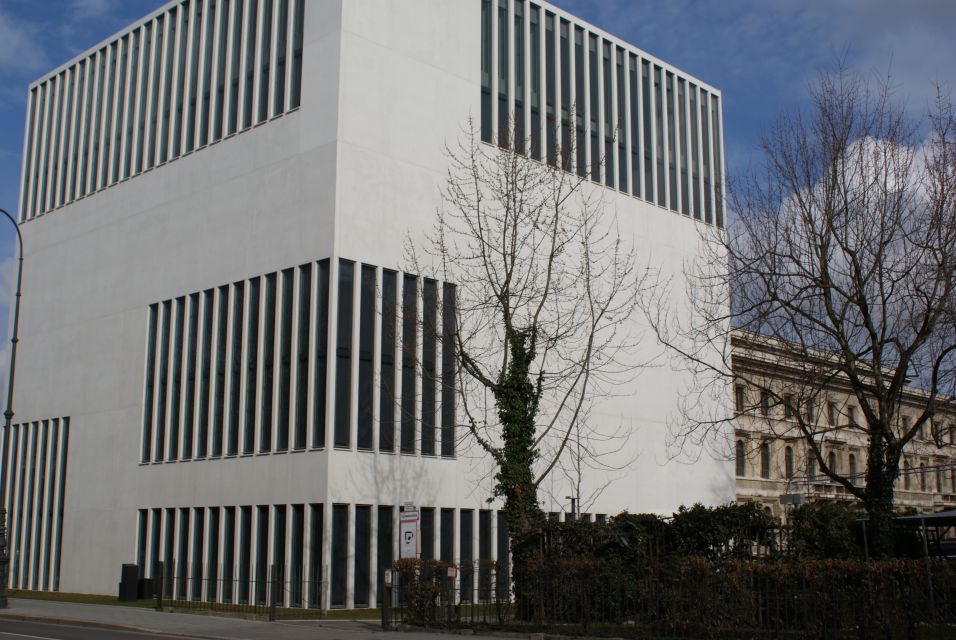
The tour finishes at Koenigsplatz, which is tied to where Nazis held rallies. The name alone doesn’t tell you why it matters, but the guide will connect the setting to the kind of public staging the Nazi party preferred.
What I find effective about ending here is that it gives you a “how it looked” final impression. Rally grounds are about sightlines, crowds, and symbolism. Even if you already know the facts, seeing how rallies were staged makes the political intent feel more concrete.
Koenigsplatz also closes the loop on the theme of the tour: the Nazi party and SS weren’t just hiding in the shadows. They were operating in public spaces and using architecture and crowd dynamics to normalize their presence.
If you’re still feeling it
This is one of the times you might want a minute to collect yourself. The tour is emotionally heavy, but the ending helps you understand it as a system, not random cruelty.
The guide, Alun Evans: how the tone stays respectful
Alun Evans is the reason this tour is described as a highlight by people who like history. The consistent theme is his style: caring, humble, engaging, and welcoming, with a clear habit of treating everyone with respect.
That approach matters on a topic like this. You want facts, but you also want sensitivity. Some guides can overwhelm you with cold detail. Here, the tour aims for clarity and engagement, including the kind of patient, entertaining delivery that helps you keep up with a tight timeline.
You’ll also get the advantage of interaction in a small group. In real conditions, including bad weather, the guide still keeps people involved. That means your time doesn’t become a stiff lecture where everyone disappears into their coats and hopes it ends soon.
One more plus
If you enjoy asking questions, a smaller group helps you get answers that match what you actually care about, like how the rise happened in Munich specifically rather than just in Germany as a whole.
Price and value: is $58 fair for 2 hours?
At $58 per person for 2 hours, this sits in the mid-range for guided walking tours in a major European city. The value comes from three things you don’t always get together: a local English-speaking guide, a fixed central meeting point, and a small group cap.
You’re also paying for focus. The route is short, but it covers several key sites tied to the Nazi party and SS, including places associated with the beer hall and the 1923 rupture. If you tried to stitch this together on your own, you’d likely spend time figuring out where to go and what to look for, especially if you want a coherent narrative rather than disconnected plaques.
The trade-off is also straightforward: it’s not a full-day deep program. If you want a slower pace, time to sit down, or extra context, you may feel the tour ends before you’re ready. People who like to process history in conversation often wish the clock gave them more space.
What’s not included
Refreshments aren’t included, and there’s no hotel pickup. So you’ll want to handle your own water and plan on being at Marienplatz for the start.
How to plan your day around this tour
Because it’s a walking tour and runs in all weather conditions, dress like it’s going to be outdoors the whole time (because it is). Munich can be bright and cold or gray and rainy, and you’ll get more out of it if you’re comfortable enough to concentrate.
Also, keep the rest of your schedule in mind. This is not a quick history detour you forget later. It’s designed to bring a terrible period to life in real public spaces, and it can leave you more thoughtful than entertained.
Best match
This tour is a strong fit if you:
- want an organized narrative rather than random site-hopping
- prefer small groups for conversation and questions
- like history that connects events to physical locations
Not the best match
If you need light, fun sightseeing right now, this route may feel too heavy. And if you have limited ability to stand and walk for a couple of hours, the all-weather outdoor format could be a challenge.
Should you book this Nazi History walking tour in Munich?
I’d book it if you want a structured, short route through the specific Munich sites tied to the Nazi party and SS, guided by Alun Evans in English. The small group size and the guide’s respectful, engaging approach are exactly what you want when the subject is difficult and you don’t want to feel like you’re just reading headlines off a wall.
I’d skip it or look for an alternative if you’re hoping for something casual or if you want more time to slow down. The format is 2 hours, and you’ll likely want extra time afterward if you’re the kind of person who thinks about history long after the tour ends.
FAQ
How long is the Munich Nazi history walking tour?
The tour lasts 2 hours.
Where does the tour start and end?
It starts and ends at Marienplatz in central Munich.
Where exactly should I meet the guide?
Meet in front of the Tourist information Center on Marienplatz. The guide will hold a sign for easy recognition.
What language is the guide?
The tour is led in English by a local, English-speaking guide.
How big is the group?
The tour is described as a small group. The limit is stated as 10 participants, and the highlights also mention a maximum group size of 15.
Is hotel pickup included?
No. Hotel pickup is not included.
Does the tour run in bad weather?
Yes. It operates in all weather conditions.
What is included, and what should I plan for separately?
Included: a local English-speaking guide, a fixed meeting point, and the option to return to Marienplatz with your guide on request. Not included: refreshments.
What cancellation window applies?
Free cancellation is available up to 24 hours in advance for a full refund.