REVIEW · MUNICH
Munich History Tour: Private & Personalized with a Local Guide
Book on Viator →Operated by City Unscripted · Bookable on Viator
Munich has a way of putting stories on the street. This private history walk turns major landmarks into real scenes, with photo stops and a guide who tunes the route to you. I like how the pace stays human, and how the walk links the city’s royals, churches, and WWII-era themes without feeling like a textbook. One consideration: it’s primarily on foot, and tickets and food are not included, so plan for extras if you want to go inside everything.
I also appreciate the setup: you answer a short questionnaire, then you communicate directly with your host to shape what matters most to you. Guides like Paola and Anna stand out in the feedback for tailoring the tour around church interest and WWII context, while others like Michelle and Franz adjusted on the fly for slower groups. If you want a smooth start, you should double-check the meeting point details after booking, because I did see a couple of reports of confusion there.
At $111.05 per person for about 2 to 4 hours, this can be good value if you want a private guide rather than a rigid group schedule. You’ll walk between sights clustered in central Munich, and you’ll get local recommendations at the end, including dinner ideas in some cases. Just remember this is a private experience (your group only), not a vehicle tour, so wear comfortable shoes and keep your expectations realistic for distance.
In This Review
- Key things that make this tour work
- Why Munich history feels different with a private guide
- Price and value: what $111.05 buys you (and what it doesn’t)
- Walking logistics: meeting at Marienplatz and moving between sites
- Start: getting your bearings and shaping your route
- Marienplatz’s Neues Rathaus and the Glockenspiel story
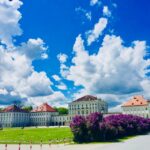
- Nymphenburg Palace: seeing Bavarian royal power in stone
- Munich Residenz: where palace rooms reflect Germany’s twists
- St. Peter’s Church: a calm ending with city views
- Your guide choices: what to ask for before you start
- Timing and pacing: 2 to 4 hours works best with the right expectations
- Should you book this Munich History Tour?
- FAQ
- How long is the Munich History Tour?
- Is this a private tour or a shared group?
- Where is the meeting point, and can the guide pick me up at my hotel?
- Does the tour include transportation between sites?
- Are attraction tickets and food included?
- How does the tour get customized to my interests?
- What is the cancellation window for a full refund?
Key things that make this tour work
- Private, adjustable pacing with guides who slow down when your group needs it (seniors included)
- Photo-friendly landmark stops that keep the story moving through the center of Munich
- A customized route based on a pre-tour questionnaire and direct guide messaging
- Royal + church + WWII threads built into one easy-to-follow storyline
- Hotel meet-up option if your lodging is listed, otherwise a central landmark start
- Walking-first logistics, with public transport only if the guide suggests it for longer hops
Why Munich history feels different with a private guide
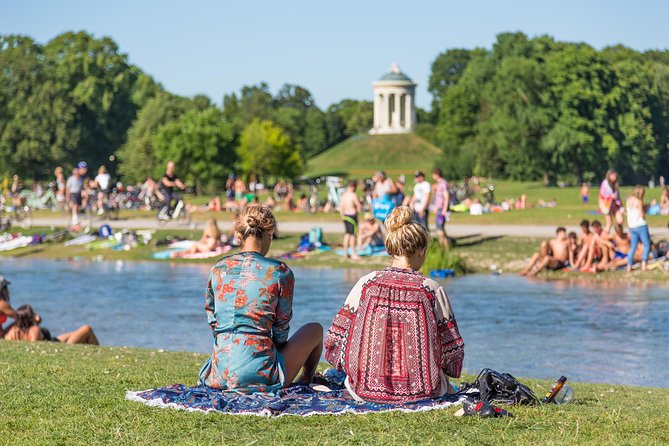
Munich is one of those cities where history isn’t locked behind museum doors. It’s on façades, in square corners, in palace walls, and inside churches that look plain from the outside until you step in. A private guide matters here because the city can be interpreted in lots of ways—royal Bavaria, religious Munich, the trauma of the 20th century, or the everyday culture around beer gardens and public squares.
What I’d aim for is a guide who can connect the dots fast. In the best versions of this tour, you get exactly that: a crisp orientation at the start, then a route that makes sense as you move from Marienplatz to palaces to a church that still anchors the city. Guides named in the feedback, including Paola, Anna, Michelle, Franz, and Stefan, are described as adjusting to your interests and keeping the tone conversational rather than lecture-heavy.
You can also read our reviews of more guided tours in Munich

Price and value: what $111.05 buys you (and what it doesn’t)
You’re paying for a few things that group tours often can’t deliver:
- A private walking experience with your own guide and your own pacing
- A tailored plan created from your interests
- Direct communication with the host so you can steer the route toward what you care about
- Flexible timing within the 2 to 4 hour window
What you’re not paying for is equally important. Attraction tickets, food, and drinks aren’t included. The same goes for transportation. The tour is mainly walking, but the guide may suggest public transport for longer transfers, and you’d settle those costs on the day.
So the value equation is simple: if you want story + guidance + flexibility, the price often makes sense. If you mostly want to tick off sights with minimal explanation, you may be better off with a self-guided route. This one is best when you want context while you’re still standing in front of the buildings.
Walking logistics: meeting at Marienplatz and moving between sites
The tour starts at Fischbrunnen, Marienplatz 8, 80331 München and ends back at the meeting point. You’ll either meet your guide at your selected hotel (if it’s in the pickup list) or at a central option. If you choose the hotel start, you can expect the tour to begin on foot from there.
Because it’s private and walking-based, the pacing can be very different depending on your group. In the feedback, guides like Michelle and Franz are praised for going at the group’s speed, even when people were moving slower after travel or with older family members. That’s a big deal. Munich involves distance you only notice after you’ve done a few stops.
Practical take: wear shoes you trust, and treat this as a walking plan with photo breaks. The tour is designed for seeing a lot, but you’ll get the most if you can comfortably move between central areas.
Start: getting your bearings and shaping your route
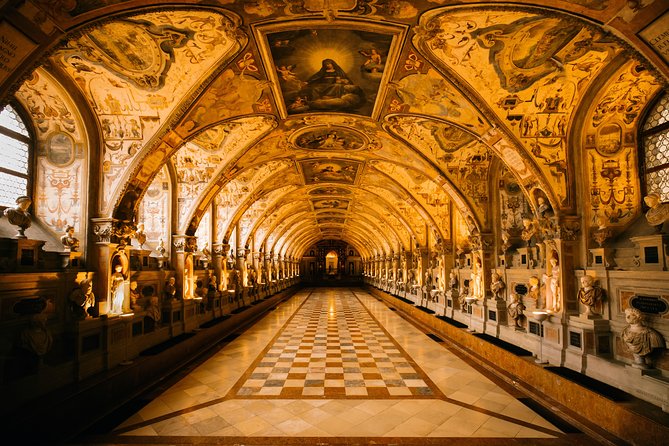
Before you hit landmarks, the guide sets the stage with a quick orientation. You’ll hear how Munich’s history, traditions, and modern life connect, and you’ll get prompt ideas for the direction you want to take.
This is also where personalization should happen. The tour is built so your guide can adjust what you see based on your preferences—royal palaces, WWII history, churches, local food spots, or a mix. In the best guide versions (like the ones described around Paola and Anna), the tour doesn’t just follow a fixed script. It responds.
If you want this to go well, come ready with a short list. Two or three must-sees is enough. If you show up with no plan, the guide can still build a smart route, but your “personal” experience will be less specific.
Marienplatz’s Neues Rathaus and the Glockenspiel story
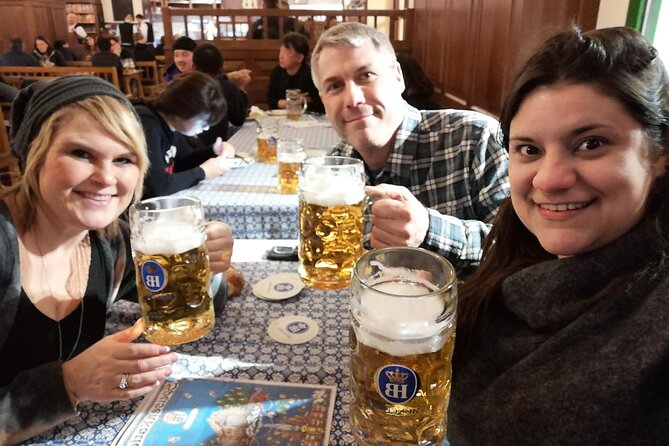
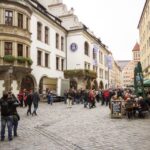
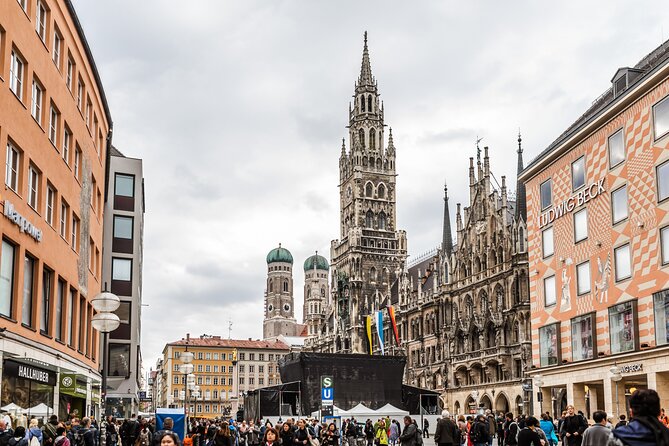
Your next major stop centers on Marienplatz, Munich’s public square heart. From there, you’ll focus on the striking Neues Rathaus, a Neo-Gothic showpiece that defines the square’s skyline.
Your guide should connect three layers here:
- What you’re looking at on the façade
- Why it became such a landmark for public life
- How the famous Glockenspiel ties into Munich’s identity
This is a strong stop for photo lovers, because the square gives you angles from multiple sides. It’s also a good moment to ask your guide what to look for next, since the tour is designed to build a storyline you can follow without overthinking it.
If you’re sensitive to crowds, pick your photo spots carefully. Marienplatz is popular, and your guide will likely time the walk so you don’t feel rushed.
You can also read our reviews of more private tours in Munich



Nymphenburg Palace: seeing Bavarian royal power in stone
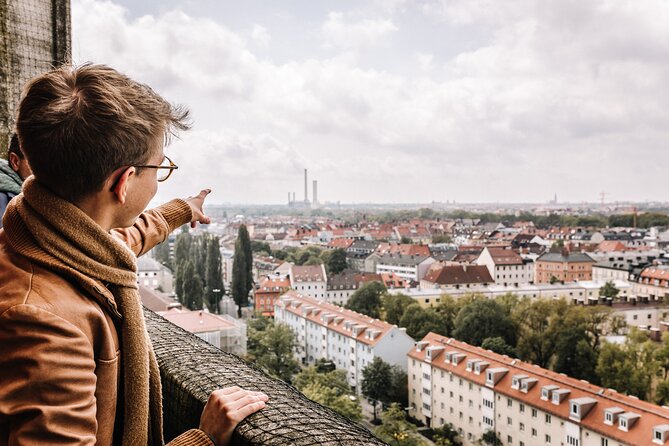
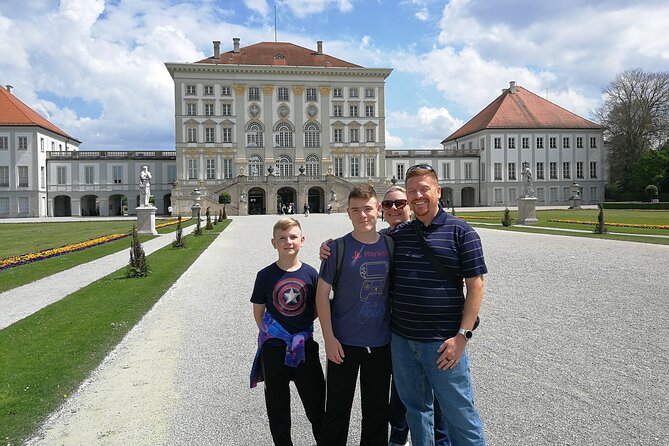
From central Munich, the route shifts toward the grandeur of Nymphenburg Palace. Even if you only take in parts of it from the outside, it’s hard to miss what the palace communicates: royal legacy, wealth, and the kind of court life that shaped Munich’s self-image.
Your guide should help you read the place as more than pretty architecture. In the descriptions, the palace visit includes stories of kings and dukes and the courtly intrigue that influenced Munich’s cultural identity. The gardens and courtyards are part of the experience, and this stop works well for travelers who want history that feels visual and physical.
Possible drawback: palace-style sightseeing can be slower. If you’re the type who wants quick hits, you may want to tell your guide early that you still want the big stories but with fewer pauses. On the positive side, guides described as going at your pace make this flexible.
Munich Residenz: where palace rooms reflect Germany’s twists
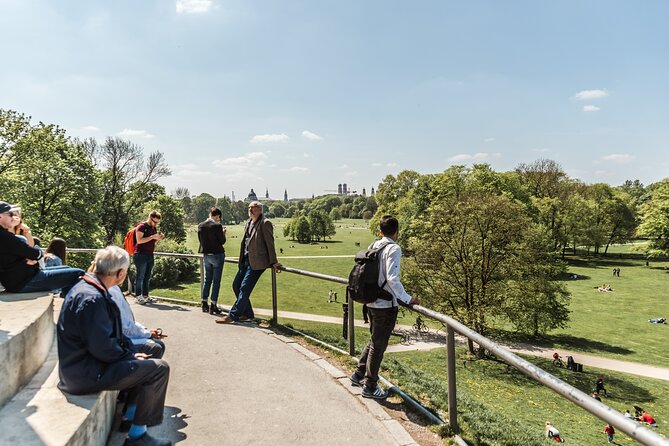
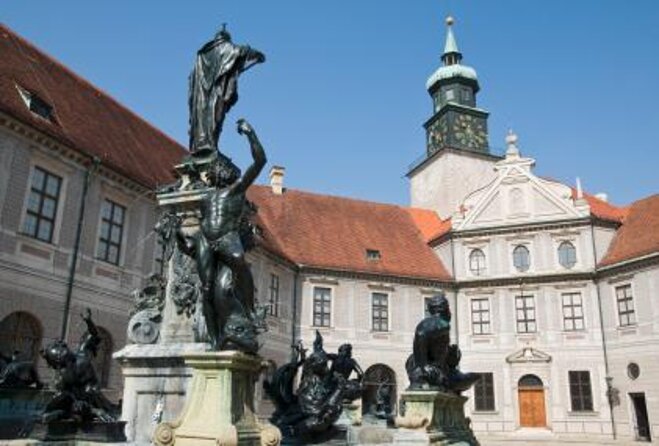
One of the biggest stops is the Munich Residenz, often described as one of Europe’s most impressive palaces. This is the part of the tour where your guide should bring forward the layers: opulent rooms, hidden courtyards, and how Munich’s story connects to wider events in Germany.
The value here is in interpretation. Palaces can look like they’re all the same until someone explains the why behind the spaces. The best guides in the feedback are praised for giving backstory in a way that makes even familiar elements feel newly important.
Also, tickets aren’t included. So you’ll want to decide what kind of access you want during this stop. If you want to spend time inside specific areas, plan on paying for entries on top of the tour price.
If your group includes WWII interest, this is likely to be one of the most meaningful sections. Anna, for example, is specifically praised for WWII history knowledge and for finding places even people who do some sightseeing might miss.
St. Peter’s Church: a calm ending with city views
The tour concludes at St. Peter’s Church, described as Munich’s oldest parish church. This stop is a strong “finishing chapter” because it pulls the story back to faith, community, and long continuity in the city.
You’ll see the stunning interiors and also enjoy sweeping city views, depending on what your guide plans at this stop. The guide’s job is to explain why this church matters culturally and spiritually in Munich’s layered history.
I like this ending because it changes the emotional tone. The palaces are about power and spectacle. The church lands on place and perspective. It’s an easy shift, and it gives you something to remember that isn’t just a façade or a statue.
Your guide choices: what to ask for before you start
This tour is only as good as the guide match—and the feedback makes that clear, both in the wins and in the rare problems.
On the strong side, guides named in the feedback include:
- Paola, praised for personalizing the route around churches and history, plus excellent American English
- Michelle, praised for pace control and clear explanations
- Anna, praised for detailed backstory and local spots that visitors often miss, plus practical advice about what’s worth buying
- Stefan, praised for architecture and history knowledge and patience with seniors
- Franz, praised for adjusting pace and for adding dinner guidance after the tour
- Camilla and Stefano, praised for local insight and an organized, well-paced route
- Sandra, praised for using photos and building an evening-friendly flow
What you should do: in your questionnaire and messages, say what you want and what you don’t. If you’re church-focused, say so. If you care more about WWII context, say so. If you want local food recommendations, ask for them explicitly. The tour is designed around this kind of back-and-forth.
Also, because this is a private walking tour, communication matters. I recommend confirming the meeting point details once you get them by message, especially if you requested a hotel pickup. One thing I saw in reported experiences was confusion about whether the guide would come to a specific meeting location, so it’s worth taking five minutes to verify.
Timing and pacing: 2 to 4 hours works best with the right expectations
The duration ranges from about 2 to 4 hours, and that’s a big variable. With a short time slot, you’ll focus on fewer stops and spend more time outside the key landmarks. With a longer slot, you can often slow down at the palaces and get more story per location.
If you want the best match, think about your travel day. This is ideal as an orientation tour for your first one or two days in Munich. Franz’s feedback, for example, calls it a perfect first-day introduction. It’s also great on a day when you want to walk off jet lag and still feel like you learned something real.
If you’ve got limited mobility, you should talk to your guide early. It’s described as “most travelers can participate,” and the experience is walk-first. You can ask whether your route includes any transport hops between sites.
Should you book this Munich History Tour?
Book this tour if you want:
- A private, flexible route built around your interests
- Landmark context while you’re still in front of the buildings
- A guide who can adjust pacing and add practical local suggestions
- A route that combines Marienplatz, royal Munich, the Residenz, and St. Peter’s Church in one plan
Skip or shop around if:
- You hate walking and prefer a transit-heavy tour
- You’re only interested in tickets and fast viewing with minimal explanation
- Your schedule is so tight that any extra transfer or ticket time could ruin your day
My take: if you’re spending real time in Munich, this is a smart way to get oriented and leave with stories you can actually place on the map. The guides mentioned in the feedback show that when the fit is right, you’ll feel like you’re touring with a friend who genuinely knows how Munich ticks.
FAQ
How long is the Munich History Tour?
It runs for about 2 to 4 hours.
Is this a private tour or a shared group?
It’s a private experience. Only your group participates.
Where is the meeting point, and can the guide pick me up at my hotel?
The start is at Fischbrunnen, Marienplatz 8, 80331 München. Pickup at your selected hotel is offered if your hotel is on the list; otherwise you can choose a central landmark meeting point.
Does the tour include transportation between sites?
Mostly on foot. For longer distances, your guide may suggest using public transport (or a taxi), and any transport costs can be settled on the day.
Are attraction tickets and food included?
No. Food, drinks, and attraction tickets are not included.
How does the tour get customized to my interests?
After booking, you complete a pre-tour questionnaire. Your host then reaches out directly to tailor the itinerary to your interests and must-sees.
What is the cancellation window for a full refund?
You can cancel for a full refund up to 24 hours before the experience’s start time.