REVIEW · MUNICH
Munich: Old Town Walking Tour
Book on GetYourGuide →Operated by Munich Walk Tours · Bookable on GetYourGuide
Munich makes history feel walkable. This 2-hour Old Town walking tour is a tight loop through the city’s biggest sights, with legends and royal scandals woven in as you go.
I love two things most: first, the way the guide turns landmarks into stories you can actually picture; second, the contrast between beer-hall Munich and the English Garden’s surprising outdoor life.
One drawback to plan around: it’s a walking tour, and weather can be rough, so bring layers and waterproof shoes if you’re visiting in colder months.
In This Review
- Key points before you go
- Marienplatz: your fast track to Munich’s center
- Old and New Town Hall: why this square matters
- Frauenkirche and the Residenz area: seeing religion and power in one walk
- Beer-hall culture and the surprisingly practical part of Munich
- English Garden: the big green moment (and the surfing fact)
- How long is it, and what pace should you expect?
- Value for $23: what you’re really paying for
- Guide quality: why names you might hear keep popping up
- Logistics that actually matter: meeting point, language, and weather
- Who should book this walk—and who might skip it?
- Should you book Munich: Old Town Walking Tour?
- FAQ
- What is the duration of the Munich Old Town walking tour?
- How much does the tour cost?
- Where do I meet the tour group?
- Is the tour guided in English?
- Is hotel pickup available?
- Can I cancel for a full refund?
- Can I reserve without paying right away?
- Is the walking tour wheelchair accessible?
- Is there a private group option?
- What stops or sights are included?
Key points before you go
- Marienplatz sets the tone with Old and New Town Hall right up front
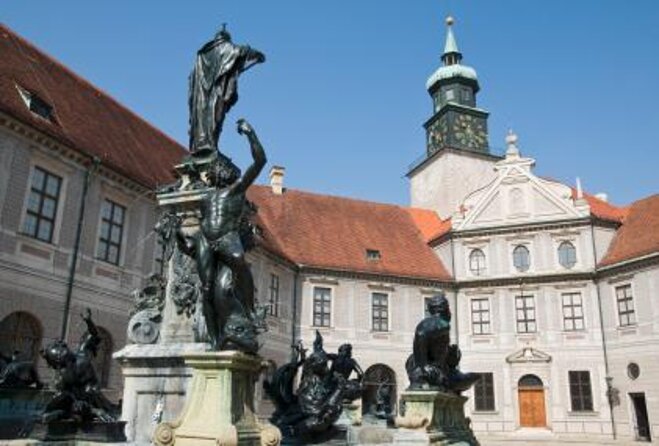
- Frauenkirche and the Munich Residenz area give you real royal context
- Beer-hall culture gets practical (including when to drink beer for breakfast)
- English Garden is the big green payoff, even bigger than Central Park
- Surfers in the park is the kind of fact you’ll remember on every Munich walk
Marienplatz: your fast track to Munich’s center
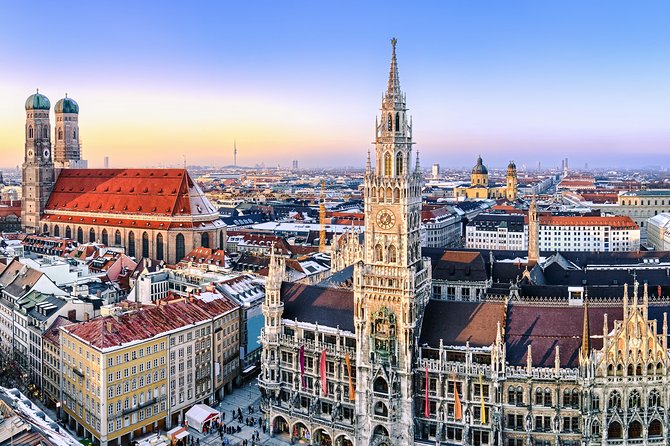
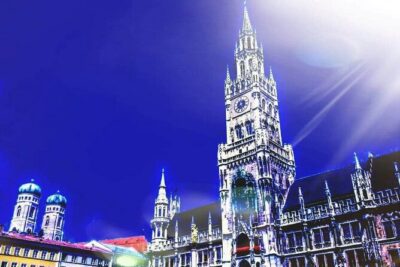
Most Munich walks start with a landmark. This one starts at the one that feels like the city’s front door: Marienplatz. It’s an open square dominated by the Old and New Town Hall, and it works as a perfect orientation point. You get your bearings quickly—where people gather, where the major flows of foot traffic meet, and where the main sights sit close enough for a short visit.
What I like about starting here is the focus. In a couple hours, you don’t want a tour that wanders. You want one that gives you the “shape” of the city early. Marienplatz does that, and the guide’s stories make it stick.
A good guide also sets expectations right away: Munich isn’t only pretty facades. It’s 850 years of decisions, power plays, and everyday life rolling together. From minute one, you’re not just seeing buildings—you’re hearing what these places meant to real people, including the kind of royal scandals that helped define the city’s image.
You can also read our reviews of more walking tours in Munich

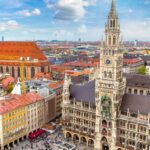

Old and New Town Hall: why this square matters
Standing in Marienplatz, you’ll see why this square became the center of Munich’s public life. The Old and New Town Hall buildings frame the space and signal authority—who ran the city, how it showed power, and how the city presented itself.
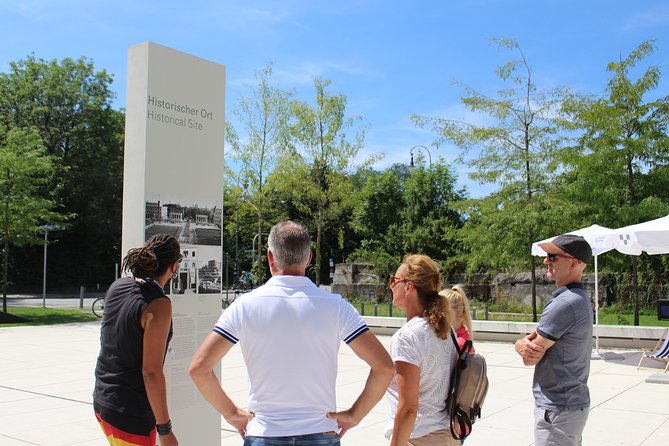
On the tour, the guide uses this as a jumping-off point for city legends and big-picture history. That’s valuable for you because it changes how you look at everything else afterward. When you move from one stop to the next, you can track themes: governance, religion, royalty, commerce, and ordinary routines—like markets and beer culture.
One practical tip: if it’s crowded, keep an eye on where your group gathers and moves. Squares like this can feel like a human river. The tour’s short duration means you’ll want to stay locked onto the guide rather than drift for a photo here and there.
Frauenkirche and the Residenz area: seeing religion and power in one walk
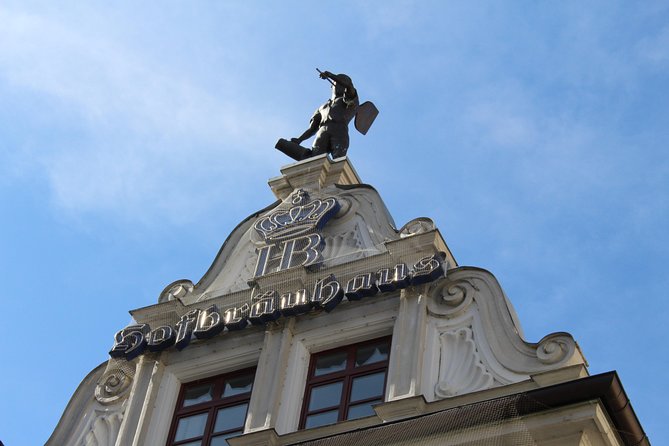
After Marienplatz, the route leans into two of Munich’s big “identity” markers: the Frauenkirche and the Munich Residenz (the former royal palaces). This is where the tour becomes more than a quick highlights reel.
Frauenkirche gives you a strong sense of the religious centerpiece of the city. It’s not just a pretty church; it’s part of how Munich organized itself socially and symbolically. When the guide ties that into the city’s longer timeline, you start to notice patterns: religion isn’t separate from politics here. It’s part of the same machine.
Then you shift toward the Residenz area. That’s where you get the royal side—former power, wealth, and influence. The guide’s storytelling matters because palaces can look similar if you’re just snapping pictures. When you hear the context, those buildings start to feel like stages where history happened. You’re seeing worldwide interest moments in a place that also felt local day-to-day.
If you’re the type who likes understanding why a city looks the way it does, this is the best portion of the tour. It gives you the “rules of the game” behind the scenes.
Beer-hall culture and the surprisingly practical part of Munich
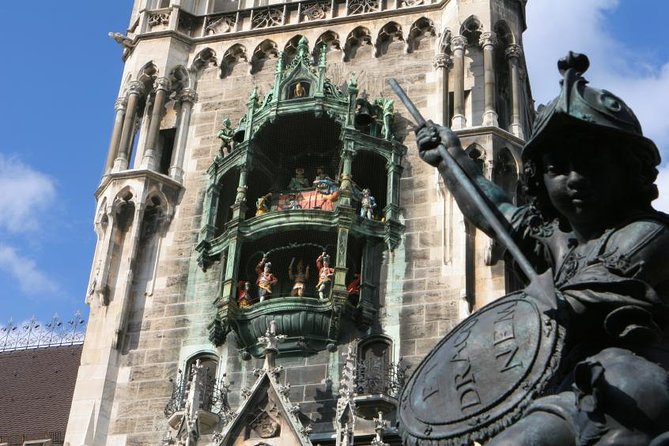
Here’s a detail I genuinely appreciate: the tour doesn’t treat beer as a vague theme. It gets specific about beer halls and even when you should drink beer for breakfast. That sounds like a joke—because it is a bit—but there’s a practical message underneath.
Munich beer culture isn’t only about evening celebrations. The city runs on social rituals. If you understand when locals lean into beer culture and how it fits into daily life, you’ll make better choices during your trip. You’ll know what feels normal, what feels touristy, and how to enjoy it without turning your day into a foggy blur.
So even if you don’t plan to do the breakfast-beer thing, you’ll still benefit. You’ll get a mental map for where beer culture fits into Munich’s rhythm, and that helps you decide where to go on your own later.
Also, this is where having a good guide pays off. Many guides can say the word beer and move on. Strong guides explain why beer halls matter, what they represent, and how they connect to the city’s broader story of commerce and community.
English Garden: the big green moment (and the surfing fact)
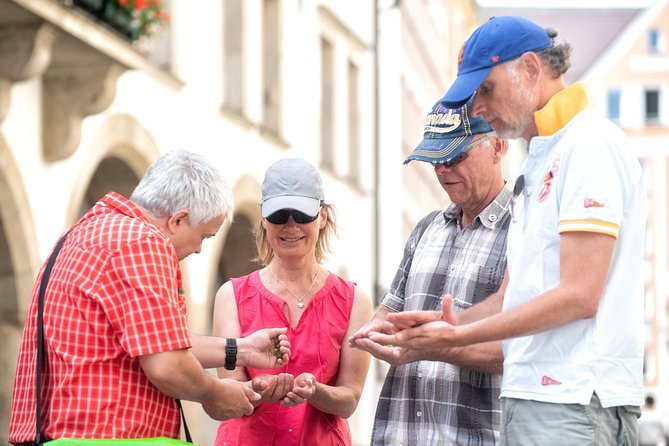
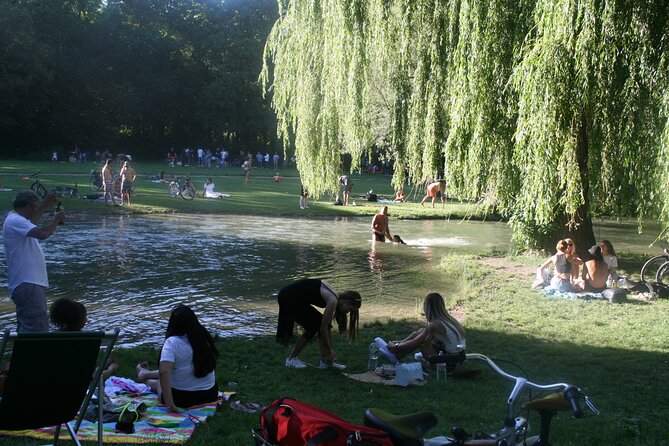
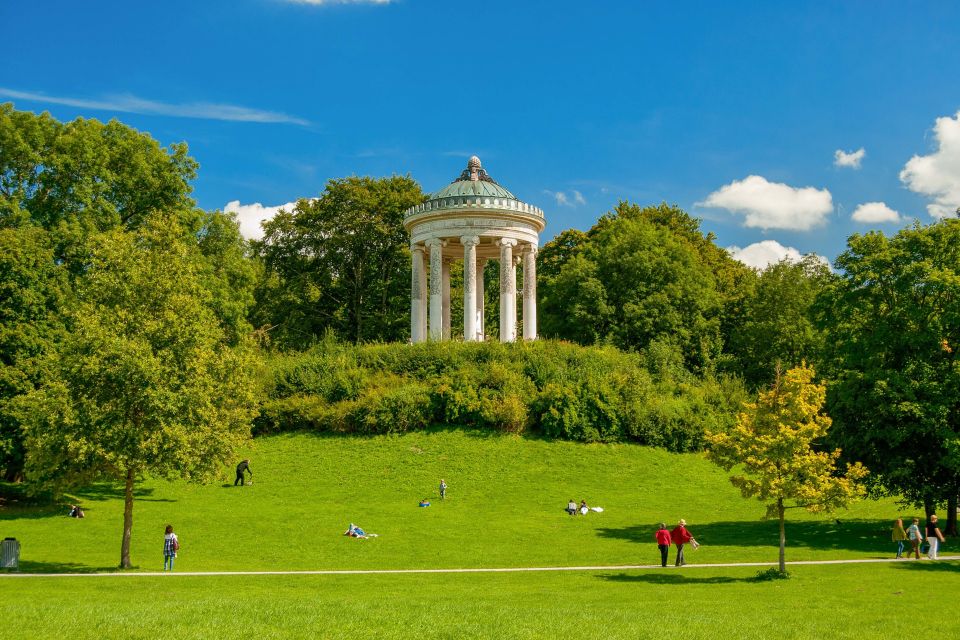
Then comes the payoff: the English Garden. The tour positions it as your green reset, and the scale is the mind-bender. It’s described as larger than New York’s Central Park, and once you’re walking under those oak and maple trees, it’s easy to see why people get emotionally attached to it.
This is also where you learn a unique Munich trivia moment that feels almost impossible until you see it: people can surf in the park, despite being about 6 hours from the nearest sea. The guide uses this kind of detail to show you something important—Munich bends nature to human life, not the other way around.
For you, this stop is valuable in three ways:
- It gives you a break from dense city streets and gives your legs a more scenic kind of walking.
- It changes your mental picture of Munich from strictly historical to also outdoorsy and modern.
- It turns a major park into a place with stories, not just trees.
Practical note: English Garden walk sections can feel longer than you expect once you’re in it. The tour is only 2 hours overall, so the guide usually keeps things moving, but you’ll still want comfy shoes. If your day includes other sights afterward, this park stop helps you recharge rather than exhaust.

How long is it, and what pace should you expect?
This tour lasts 2 hours, and that time pressure is part of its charm. You’re not stuck for half a day. You’re getting a curated intro to the city’s best-known anchors and the most memorable stories attached to them.
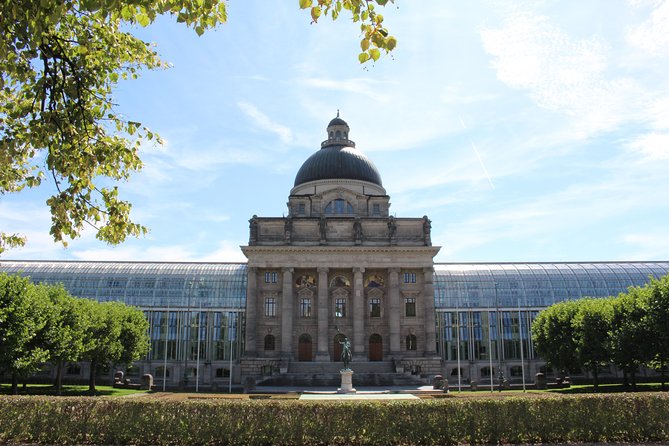
In that short window, you’ll cover a lot of ground: Marienplatz, the Frauenkirche area, the Residenz palaces zone, beer-hall culture stops or viewpoints, and then a transition into the English Garden.
The pace is usually friendly, and the guide’s job is to keep it from turning into a long fast walk. In the past, guides like Martina Helfer, Sam, Emanuela, Michael, Noel, Claudia, and Barbara have been praised for clear explanations, good pacing, and the ability to answer questions without making the group feel rushed. That matters because you’ll have moments where you’ll want to ask: Why did this matter? What happened here? How does this connect to the city today?
If you prefer slow, rambling wandering tours, this might feel a bit structured. But if you want a smart first-day walk that sets your whole trip up, it’s a strong match.
Value for $23: what you’re really paying for
At $23 per person for a 2-hour guided walk, the price looks simple on the surface. The real value is what you get for that time: context.
Without a guide, you can absolutely visit Marienplatz and take photos. But you’ll likely miss:
- the way the guide frames the city’s 850-year storyline,
- the connections between religious sites and royal power,
- and the beer culture timing that helps you plan your own evenings and meals.
A tour like this is basically buying you time and clarity. It’s the difference between seeing Munich and understanding Munich. And because it’s short, you’re also paying for efficiency—something that’s hard to build yourself on your first day.
Guide quality: why names you might hear keep popping up
This is one of those activities where guide performance really shows. The strongest comments in this experience keep circling the same themes: guides are engaging, patient, and good at answering questions; they add humor and funny anecdotes; and they explain in an easy, clear way.
You might even recognize guide names from past runs—Emanuela, Michael, Noel, Claudia, Danielle, Chris, Ulrike, Thomas, Bridget, and Willfried are among the names that have come up in standout experiences. That’s a sign that the company consistently puts effort into the storytelling side, not just walking routes.
If you’re worried that a tour will feel like a scripted lecture, you can relax. The better guides here work like conversation with structure: they keep moving, but they make room for what you notice.
Logistics that actually matter: meeting point, language, and weather
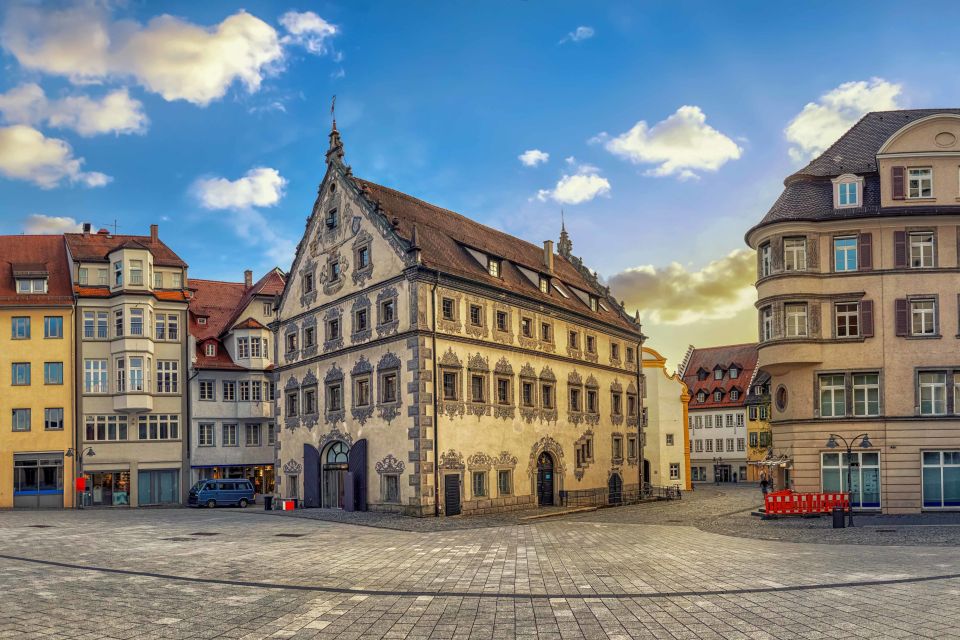
Meet at Marienplatz, in front of the Tourist Information Centre. If you’re even a few minutes late, you can disrupt your spot, so I suggest arriving early enough to regroup calmly.
The tour is English only. If English isn’t your strongest language, plan for that now—there’s no stated multilingual option.
Pickup on foot is optional (if you select it), and if your pickup is included, you’re told to wait in the hotel lobby about 10 minutes before the start time. That’s straightforward, but it only works well if you set a reminder and don’t cut it close.
Finally: plan for weather. One experience specifically mentioned rainy snowy conditions and still covering nearly everything, which is good news—but it still means you should dress like you might get damp or cold. Munich in winter can be pretty unforgiving on exposed streets, and walking tours only reward smart clothing.
Who should book this walk—and who might skip it?
You should book if:
- you’re in Munich for a short stay and want a high-impact first walk,
- you like history with stories, not just facts on plaques,
- you want both city-center landmarks and a major outdoor break in the same tour,
- you enjoy beer culture and want help making sense of it beyond stereotypes.
You might skip it if:
- you want a slow, museum-style day where you sit down often,
- you only care about modern Munich and not its long historical layers,
- you’re extremely sensitive to walking in cold or wet weather (because it is, at its core, a walking itinerary).
Should you book Munich: Old Town Walking Tour?
I’d book it if you want a compact, story-driven orientation to Munich. For $23 and 2 hours, it’s one of the better ways to get oriented fast: Marienplatz’s civic heartbeat, the Frauenkirche/Residenz royal context, and then the scale-shock of the English Garden—including that surf-in-a-park detail that makes you smile later.
If you arrive ready to walk, ask questions, and enjoy history as a living thing (with a little humor), this tour earns its place early in your trip.
FAQ
What is the duration of the Munich Old Town walking tour?
The tour lasts 2 hours.
How much does the tour cost?
The price is $23 per person.
Where do I meet the tour group?
Meet in Marienplatz, in front of the Tourist Information Centre.
Is the tour guided in English?
Yes, the tour is conducted in English only.
Is hotel pickup available?
Hotel pickup on foot is optional if selected. If you have pickup, wait in the hotel lobby 10 minutes before the tour start time.
Can I cancel for a full refund?
Yes. It’s free cancellation up to 24 hours in advance for a full refund.
Can I reserve without paying right away?
Yes. There’s a reserve now & pay later option.
Is the walking tour wheelchair accessible?
The tour is listed as wheelchair accessible.
Is there a private group option?
Yes, private group is available.
What stops or sights are included?
The tour covers major Old Town sites like Marienplatz, the Frauenkirche, areas connected to the Munich Residenz, plus the English Garden, including where people surf in the park.