REVIEW · MUNICH
Private Munich Tour for History Buffs with Architectural Gems and WWII sites
Book on Viator →Operated by Friendly Local Guides · Bookable on Viator
Munich history, traced street by street. I love the private format (your group only), and I love how the route connects major WWII-linked places without turning into a long slog. The one catch is it moves at a walking pace for about two hours, so comfy shoes matter.
A big reason this works is the guide. In particular, Tanja stands out for being patient, taking time with the details, and staying upbeat even when you start to tire near the end.
Because it’s private, you can also customize what you prioritize. If you want views, the New Town Hall tower climb is a great add, but you’ll still be on a tight schedule.
In This Review
- Key things that make this tour worth your time
- Why this private Munich history walk feels better than hopping alone
- The route in plain terms: WWII sites plus royal Munich in 2 hours
- Neues Rathaus: neo-gothic architecture and quick city views
- Nymphenburg Palace: baroque royal power in a manageable stop
- Residenz München: dukes and kings, then WWII shadows inside the same walls
- Odeonsplatz: where ideology met street reality
- St. Peter’s Church (Old Peter): medieval roots near the center
- Price and logistics: is $217 a good value?
- Meeting point and how to make pickup painless
- How to get the best stories (and better photos) on this kind of tour
- Who should book this tour (and who might skip it)
- Should you book this private Munich tour?
- FAQ
- How long is the Munich private history tour?
- How much does the tour cost?
- Is pickup available?
- What language is the tour offered in?
- Is this tour private or shared?
- Does the tour include entrance fees?
- Do I need to bring tickets?
- Does the tour run in bad weather?
- Are there any limits on fitness level?
- What is the cancellation policy?
Key things that make this tour worth your time

- Private for your group: you control the pace and what matters most
- Fast WWII connections: key locations tied together on one walk
- Nymphenburg Palace stop: baroque royal grandeur without a full-day commitment
- Munich Residenz context: Bavarian rulers plus WWII-era overlays in the same area
- Photo-minded guidance: practical tips so you know where to stand
- Tanja’s calm, flexible style: clear explanations with understanding if you slow down
Why this private Munich history walk feels better than hopping alone
This is the kind of tour that helps you get your bearings fast and then actually understand what you’re seeing. Instead of bouncing between landmarks randomly, you follow a guided path that links architecture and events in a way that makes the city feel logical.
I like that it’s built for focus: about 2 hours, several stops, and each one is long enough to notice details and catch key context. The private setup also means your questions don’t compete with a dozen other voices.
One practical advantage: the guide’s job isn’t just storytelling. You also get real help with where to look and how to photograph what’s in front of you, so you leave with both memories and better images.
You can also read our reviews of more private tours in Munich

The route in plain terms: WWII sites plus royal Munich in 2 hours
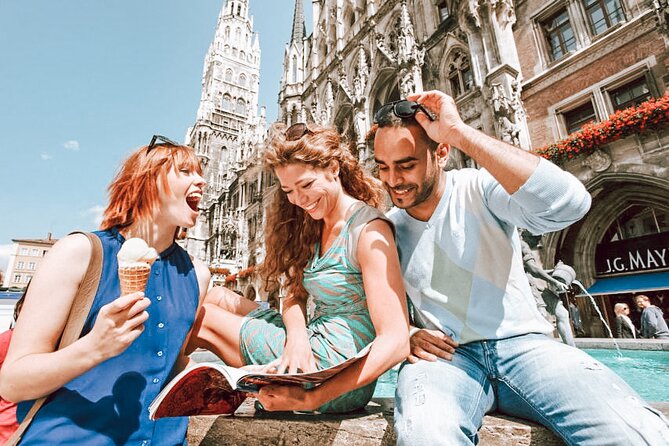
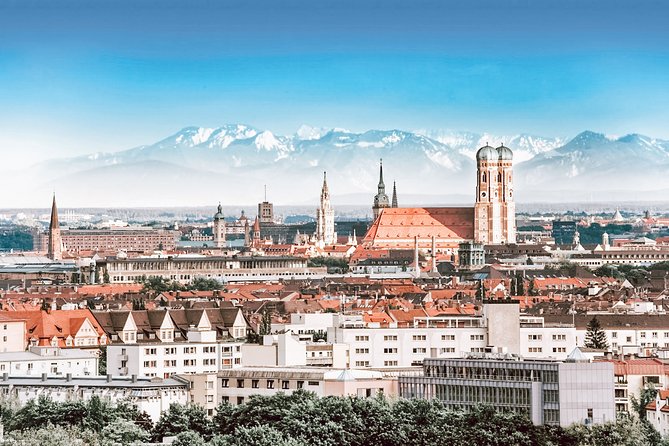
The tour hits a tight mix: civic Munich, monarchy, and the darker 20th-century chapters. You’ll move through central areas and major buildings, with each stop kept around 20 minutes.
That timing matters because it keeps momentum. If you want a “greatest hits” feel without losing half a day to transit, this format fits.
It also works well if you’re a history buff who likes why things matter. The route doesn’t treat buildings as stand-alone postcards—it connects what happened there to the bigger story of Munich.
Neues Rathaus: neo-gothic architecture and quick city views
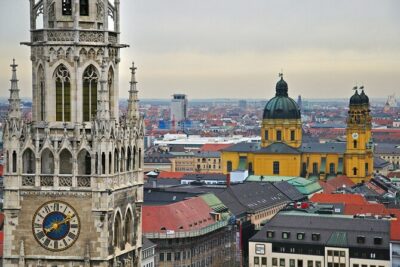
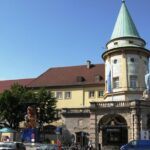
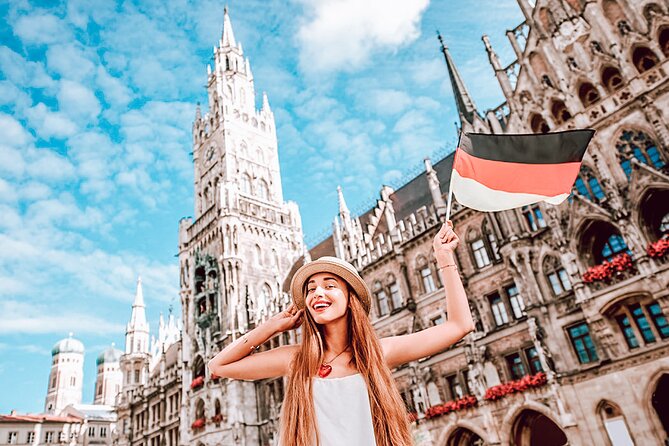
You start at the New Town Hall, a neo-gothic showpiece built between 1867 and 1874. It still functions as city administration, so it’s not a dead museum shell—it’s a living part of the city.
I love how this stop gives you two layers at once. First, the architecture: you’re looking at a long stretch of ornate work and strong craftsmanship made of brick and shell limestone. Then there’s the view option: if you climb the tower, you can see rooflines across Munich, which helps you map the old center in your head.
There’s also a nice local touch: in the vault area, you can visit a traditional restaurant tied to the building’s era. Even if you don’t eat, it’s a reminder that history in Munich often sits right next to daily routine.
Keep in mind: the tower climb is an extra choice, and climbing means time and energy. If you’re not up for it, you can still enjoy the exterior and interior context within the time window.
Nymphenburg Palace: baroque royal power in a manageable stop
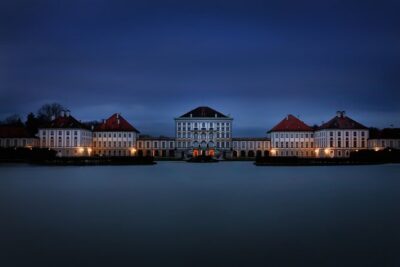
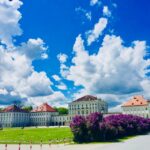
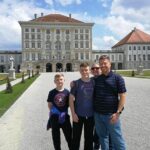
Next is Nymphenburg Palace, the summer residence of Bavarian monarchs. This is the stop that shifts the mood from civic to royal, with baroque architecture that looks designed to impress from every angle.
What I like here is the “enough, not too much” approach. You get to learn about the Wittelsbach family and how multiple generations shaped the palace, without needing a full, separate palace-day itinerary.
You’ll also hear the story behind its construction in 1664, including the personal motivation to dedicate the palace to Prince and his wife. That human detail makes the architecture feel less abstract and more rooted in real lives.
Because the stop is time-limited, plan to focus your attention. Pick a few things to study—facade features, major interiors if accessible, or the palace setting around you—rather than trying to see everything at once.
Residenz München: dukes and kings, then WWII shadows inside the same walls

The Munich Residenz is where the tour really earns its “history buffs” badge. You’ll trace how Bavarian dukes and kings rebuilt and reshaped the castle starting from 1385, gradually turning it into the major palace complex you can visit today.
This stop is also where the 20th-century story becomes unavoidable. The Residence included areas tied to the Gestapo headquarters, and it’s also connected to where Hitler joined the Nazi Party.
The building has WWII scars too. Much was demolished during WWII, and reconstruction took place starting in 1945, with the complex returning as a major museum today.
That combination is intense, but it’s also useful if you want real context. You’re not just seeing a “dark site” or a “royal site” in isolation—you’re seeing how layers of power, violence, and rebuilding coexist in one place.
A consideration: this stop can feel emotionally heavy depending on how you process history. If you want a gentler pace, you can ask the guide to adjust the order or spend a bit more time on architecture rather than the harder details.
You can also read our reviews of more historical tours in Munich



Odeonsplatz: where ideology met street reality
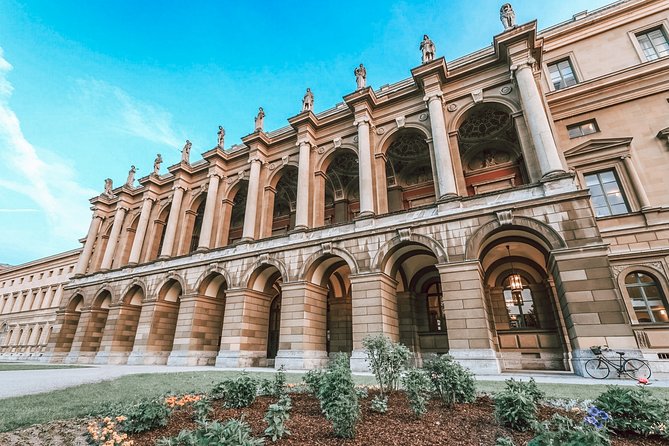
Then you’ll be at Odeonsplatz, a classic Italian-style square near the Munich Residence. This is one of those places where history is tied to the street layout, so even a short stop helps you understand why events unfolded the way they did.
You’ll learn about the Beer Hall Putsch in 1923, including how it culminated here and was blocked by Bavarian police. The square’s long record of public events—demonstrations, funerals, and major gatherings—also helps explain why it became a stage for Nazi marches.
I also appreciate the “surroundings matter” angle. The area is framed by buildings like Feldherrenhalle and the Baroque Theatine Church of St. Kajetan. There’s even a note of everyday continuity with the oldest café in Munich, which shows how the present sits right beside the past.
This stop works best for people who like to connect dots. If you tend to remember scenes and locations, the layout here will stick with you after the tour.
St. Peter’s Church (Old Peter): medieval roots near the center
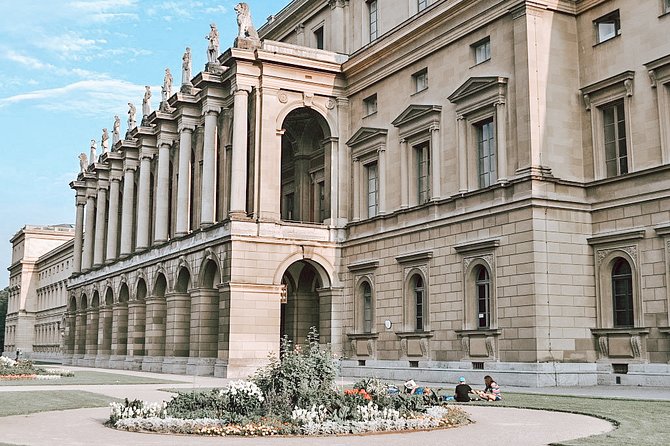
To end the historical loop, you’ll head to St. Peter’s Church, one of Munich’s major sights in the city center near Marienplatz. The locals call its 91-meter tower Old Peter, which you’ll hear because it’s such a recognizable landmark.
This church anchors the older timeline. You’ll learn it’s the oldest parish church in the city, built starting in the 11th century, with rebuild activity in 1327.
I like this stop because it shifts the vibe from the 1800s and 1900s back toward medieval Munich. It helps you remember that the city’s story didn’t begin with modern politics—there are much deeper roots underfoot.
If you’re interested in photos, the tower and central positioning give you strong angles. Just know that church stops can vary depending on what’s open at the time you visit.
Price and logistics: is $217 a good value?
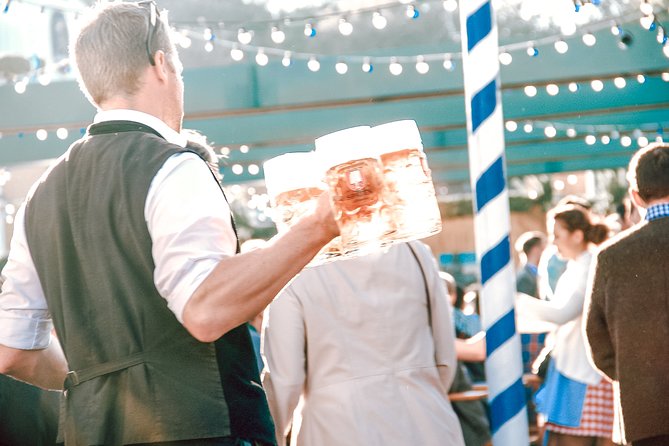
At $217 per person, this is priced like a true private guide experience, not a casual walking tour. The value comes from what’s included: a friendly local guide, a private walking tour setup, pickup from your hotel lobby, and mobile ticket support.
Also helpful: all fees and taxes are included, and the tour offers group discounts. If you’re traveling with a friend or family members and you split the group, it can become a smart way to pay for comfort plus focus.
One small caution: the tour doesn’t include food, and transportation costs aren’t covered. The good news is that you’re walking between key central stops, so you may not need extra transit during the tour itself.
Entrance fees also aren’t listed as included in general. That said, the stops highlighted here are marked as admission ticket free, so you’re likely not paying surprise entry costs for the main sights. Still, if you add optional climbs or areas, confirm what’s included on the day.
Meeting point and how to make pickup painless
You’ll meet your guide at the lobby of your hotel (or hostel/vacation rental). You’ll need to provide the exact hotel name and address, which keeps the meeting smooth.
The guide will contact you via email and you don’t need to call to confirm. The tour runs in rain or shine, so dress for wet weather if you’re visiting in a rainy month.
One more practical note: there’s no airport pickup. If you’re arriving by plane, plan to get to your hotel first, then meet the guide in the lobby.
You’re near public transportation, which helps if your hotel location isn’t directly at the busiest tourist grid. If you’re flexible on where you stay, being in a central area makes the whole experience easier.
How to get the best stories (and better photos) on this kind of tour
This tour succeeds when you treat it like a guided walk with choices, not a checklist you sprint through. Since it’s private, you can ask the guide to slow down at points you care about—architecture details, political milestones, or the “why here” explanations.
I’d also use the photo angle guidance. The tour is built around photo-worthy stops and insider suggestions, so if you pause and ask where to stand, you’ll get more than a quick snap.
A smart strategy: when you reach a stop, pick one question before you look up. For example, ask what the building’s purpose was, or what event changed the meaning of that place. You’ll notice more because you’re watching with intent.
Finally, trust the guide if you’re tired. The tour style includes a real adjustment for comfort near the end, so if you need to sit briefly or move slower, that’s part of how the experience works.
Who should book this tour (and who might skip it)
This is a great fit if you want a tight, guided route through central Munich with strong storytelling. If you love connecting buildings to real events, you’ll appreciate how the stops link monarchy, civic life, and the WWII-era record.
It also suits solo travelers or small groups who don’t want to fight for attention in a big group tour. The private setup means you can customize sights, which helps if you have specific interests.
If you dislike walking or need lots of breaks, think carefully. The tour lasts about two hours and you’ll be on your feet for most of it, so moderate fitness is the expectation.
Should you book this private Munich tour?
Book it if you want a high-impact history path that doesn’t waste your day. For your time and money, you get a focused set of landmarks tied to WWII-linked context, plus royal and medieval architecture that makes Munich feel layered instead of random.
Skip it if you’re looking for a long museum-style day where you control every minute inside buildings. This tour is about getting the story and the layout in a short window, not about deep, standalone time in one site.
If you’re spending only a limited amount of time in Munich, this private format is also a practical win. It helps you leave with clearer connections—and a better sense of where you should spend extra time later on your own.
FAQ
How long is the Munich private history tour?
It runs for approximately 2 hours.
How much does the tour cost?
The price is $217.00 per person.
Is pickup available?
Yes. Pickup is offered from the lobby of your hotel (or hostel/vacation rental).
What language is the tour offered in?
The tour is offered in English.
Is this tour private or shared?
It’s a private tour/activity, meaning only your group participates.
Does the tour include entrance fees?
Entrance fees are not included. However, the highlighted stops are listed as admission ticket free.
Do I need to bring tickets?
You’ll have a mobile ticket.
Does the tour run in bad weather?
Yes, tours run rain or shine. Dress appropriately.
Are there any limits on fitness level?
It notes a moderate physical fitness level is recommended.
What is the cancellation policy?
Free cancellation is available. You can cancel up to 24 hours in advance for a full refund. If you cancel less than 24 hours before the start time, you won’t get a refund.