REVIEW · MUNICH
The Old Town Walking Tour: Munich
Book on Viator →Operated by The Local Experience · Bookable on Viator
Munich gets busy fast, so smart walking helps. This Old Town tour strings together top sights in the center of the city, with free entry at each stop and an easy pace over about 2 hours 15 minutes. You also get an English mobile ticket, plus a small-group feel that’s built for asking questions.
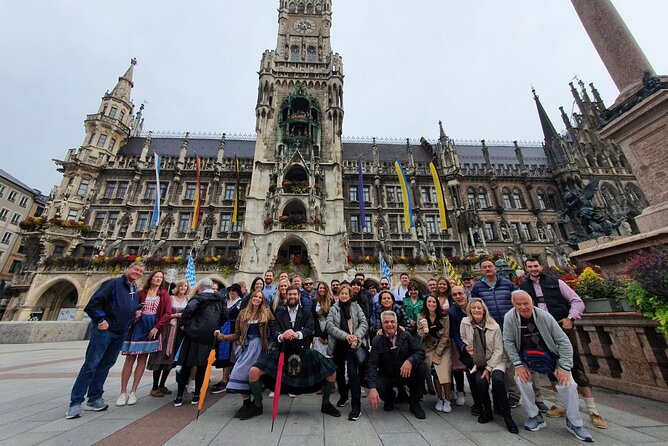
I particularly like how the route hits classic Munich anchors in a logical order: start at Frauenkirche, then move through Marienplatz’s Rathaus-Glockenspiel action and on to Viktualienmarkt for the real local scene. I also like that you end at Max-Josefs-Platz with stories about the Bavarian royal family and practical suggestions for what to do next.
One consideration: it’s not a scripted, set-in-stone crawl. The guide can adjust the exact route, and if the minimum number of people isn’t met, the tour can be canceled.
In This Review
- Key things to know before you go
- A low-cost way to stitch together Munich’s Old Town highlights
- Getting started at Karlsplatz (and keeping your energy for 2h15)
- Frauenkirche: the landmark church that sets the tone
- Marienplatz Rathaus-Glockenspiel: the action stop you won’t want to miss
- Viktualienmarkt: market life you can actually use
- Old Town Hall after WWII: the Juliette statue stop
- Inside Staatliches Hofbräuhaus: why this beer hall stays famous
- Max-Josefs-Platz: 700 years of royal-family stories plus a funny opera angle
- Guides matter: why Dani and Timmy’s styles improve the whole walk
- Price and value: what $3.61 really buys you in Munich
- Who should book this Munich Old Town walk (and who should reconsider)
- Should you book this Old Town Walking Tour?
- FAQ
- What is the duration of the Old Town Walking Tour in Munich?
- Where does the tour start and end?
- What language is the tour offered in?
- Is there an admission fee for the sights on the tour?
- What is included in the price?
- What should I know about cancellation?
Key things to know before you go

- Small group size (max 24): easier questions and a more personal vibe than large coach-style tours
- Free admission at each stop: you’re not paying again and again just to see the highlights
- Marienplatz timing focus: the Rathaus-Glockenspiel stop is set up so you don’t miss the moment
- Market time at Viktualienmarkt: you’ll walk through one of Germany’s biggest markets, with chances to try fresh produce
- Hofbräuhaus interior look: you get inside and see why this beer hall became famous
- End-point flexibility: the tour finishes in the Old Town, with the final route varying by guide
A low-cost way to stitch together Munich’s Old Town highlights
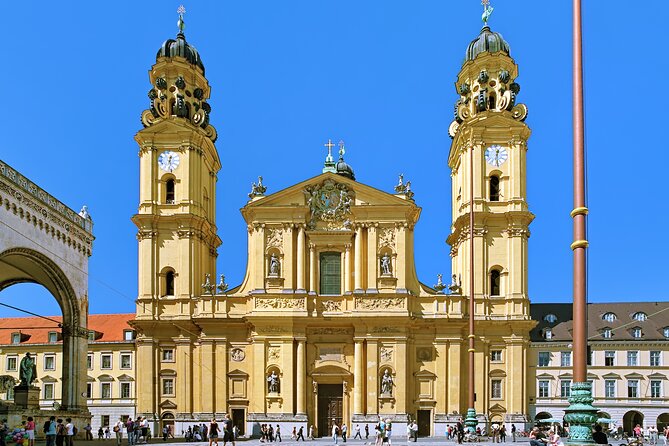
This is the kind of tour that helps you get your bearings without feeling like you’re buying a souvenir tour. The price is listed at $3.61 per person, with all fees and taxes included. For Munich, that’s a bargain-level cost, so you’re really paying for a guide-led walking plan and context, not ticket costs.
Time matters here. You’re looking at about 2 hours 15 minutes, which is long enough to cover a real chunk of Old Town but short enough that you can still do something else afterward—like eat in a nearby neighborhood or return to one stop for photos and a second look.
The structure is simple: English-speaking guide, mobile ticket, and a tour that runs with a maximum of 24 people. That group size is big enough to feel lively, but small enough that you’re not lost in a crowd.
One more practical detail: the start is Karlsplatz 10, 80331 München, and the finish is listed as Max-Joseph-Platz 4, 80539 München. The end location can vary depending on the guide and route, so I’d treat Max-Josefs-Platz as the main target for navigation after the walk.
You can also read our reviews of more walking tours in Munich
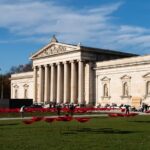

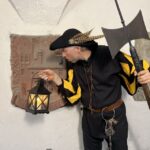
Getting started at Karlsplatz (and keeping your energy for 2h15)
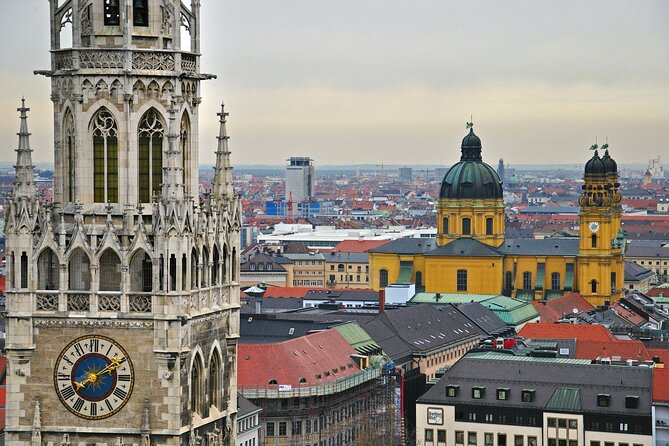
The tour begins at 10:15 am at Karlsplatz 10. That’s a convenient central starting point, especially if you’re using public transportation, since the meeting area is marked as being near it.
Because the tour is a walking experience, your biggest “logistics” move is the boring one: wear shoes you can stand in for a couple hours. You’ll be moving between several key points, and even if each stop is brief, the total time is long enough that comfort matters.
Also keep in mind that the tour isn’t scripted. That’s a plus if you like human guides and real conversation. It can also mean your exact “minute-by-minute” flow may vary slightly, so don’t plan a tight connection immediately at the end time.
Frauenkirche: the landmark church that sets the tone
The walk kicks off at Frauenkirche, Munich’s landmark church. The stop is listed as about 5 minutes, and admission is free for the tour.
In a tour like this, a first stop has to do two jobs: orient you visually and give you a starting thread for the stories that come later. Frauenkirche works well for that. Even in a short amount of time, it gives you a sense of scale and the city’s religious and architectural identity.
The best way to use this stop is to keep your eyes up. You won’t have time to “study” the building in depth, but if you look at proportions and where the structure dominates the square, you’ll be able to understand why it’s such a reference point for Munich.
Possible drawback: since the stop is short, don’t expect a long interior explanation. This is a highlight-and-move tour, so if you want extended time in church interiors, you’ll likely want to pair this with your own follow-up.
Marienplatz Rathaus-Glockenspiel: the action stop you won’t want to miss
Next comes Rathaus-Glockenspiel at Marienplatz. This is one of the most popular stops in the area, and the tour description makes one promise clearly: the guide will make sure you don’t miss the action. The stop is listed at 15 minutes, with free admission.
This is a smart inclusion because the Glockenspiel moment is visual and time-sensitive. You can wander Marienplatz on your own and still catch it by luck, but a guided timing window saves you that stress. It also helps because the guide can explain what you’re seeing without you needing to hunt down information on the spot.
How to get the most from the stop: arrive ready to look and don’t spend the entire 15 minutes photographing from the back. If the moment happens and you’re too far to see details, you miss the point. I’d aim for a spot where the scene is visible and then let the guide’s explanation connect the story to the spectacle.
Viktualienmarkt: market life you can actually use
Then you walk to Viktualienmarkt, with 15 minutes set aside. The tour describes it as one of the largest markets in Germany, and it’s built for strolling and trying fresh produce.
This stop is valuable because it changes the tempo. Up to now you’re dealing with monumental buildings and city-center landmarks. Viktualienmarkt is where Munich shows its everyday face—produce, stalls, and the feeling of a place that locals return to.
Even if you don’t buy anything, the market is useful for learning what “normal” looks like in the city. And if you do want to snack, this is the moment you’ll most likely enjoy. The tour is positioned as a walk-through with opportunities to taste, not a formal food tour with a set menu.
One consideration: market areas can get crowded. If you’re sensitive to busy foot traffic, you might take a moment before the stop to decide what kind of experience you want—quick stroll and small taste, or slower wandering with time to browse.


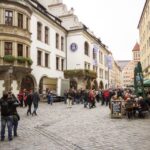

Old Town Hall after WWII: the Juliette statue stop
The route continues to Old Town Hall, which was destroyed during World War II. The tour includes a note about a statue of Juliette from Shakespeare’s famous play, with a stop time of 10 minutes and free admission.
This stop is a good example of why a guide-led walk can beat solo wandering. If you’re just passing by, you might not understand why the building matters or why a Shakespeare connection would show up here. With a guide, you get the story thread and you know what you’re looking at.
Since this is a short stop, use it for identification and context. You’re not trying to read every plaque. You’re trying to connect the landmark to what Munich chose to remember and show after destruction—then move on with a better mental map of the city.
Inside Staatliches Hofbräuhaus: why this beer hall stays famous
Next is Staatliches Hofbräuhaus, described as the world’s most famous beer hall. The tour includes a 15-minute stop where you check out the inside and see why it became so famous.
Even if you’re not a beer-drinker, this is worth doing because beer halls in Bavaria are about more than drinks. They became social stages—places where people gather, stories get told, and Munich culture gets performed in public. A short interior look gives you a sense of scale and style you won’t get from just seeing the building outside.
The practical value here is that the tour chooses the moment: you’re not standing outside, trying to figure out whether you can get in or what’s worth seeing. You’re guided to the interior check, with free admission listed for the stop.
Possible drawback: if you’re expecting a deep “behind the scenes” history of brewing, this isn’t that kind of tour. It’s a highlight tour with a guided interior peek, so lean into atmosphere and the explanation—not an encyclopedic brewery lesson.
Max-Josefs-Platz: 700 years of royal-family stories plus a funny opera angle
The final stop is Max-Josefs-Platz. You’ll spend about 20 minutes here, and the tour focuses on the Bavarian royal family that ruled for over 700 years. You’ll also hear a funny story related to the city opera house.
This is a strong ending because it gives you a historical frame without turning the last portion into a lecture. After a walk through church, city hall theater, markets, and beer hall culture, the royal-family story acts like the glue. It helps you connect monuments to who held power and why so much of the city’s public life carries a “court” influence.
The opera house anecdote is also a nice touch. It signals that you don’t have to memorize dates to enjoy the history. Even a short funny story can make the timeline feel less like homework.
At the end, the guide finishes the walk in the Old Town and gives tips for other points of interest. That practical wrap-up is one of the reasons walking tours like this can still feel valuable even if you’ve seen a few sights before.
Guides matter: why Dani and Timmy’s styles improve the whole walk
The standout theme from guide feedback is how much energy they bring, and how helpful the info feels in real travel time.
One guide name that comes up is Dani, praised for storyteller energy—explaining what you’re seeing in a way that makes the city click. Another is Timmy, noted for tons of useful tips and practical information, plus an extra-intimate feel because the group stays manageable.
What you can expect from good guiding here isn’t just facts. It’s pacing, local context, and “what should I do next” suggestions. If you’re the type who likes answers—like what you’re looking at, why it matters, and where to go afterward—this tour style is a match.
Also, the tour length (2h15) fits well with these guide-driven stories. You’re not stuck in a long commitment where attention fades. Instead, the guide can deliver short, punchy explanations that keep the walk moving.
Price and value: what $3.61 really buys you in Munich
At $3.61, this tour looks almost too cheap for a guided walking experience. But the value equation is pretty clear if you think about what you’re actually purchasing.
You’re getting:
- A structured route through major Old Town landmarks
- A guide who helps you interpret what you’re seeing
- Free admission stops at each of the key sights
- Time-saving planning, so you don’t have to figure out the best order yourself
The one thing you’re not getting is everything else that often “hides” in city trips: transport to the meeting point and tips/gratuities aren’t included. So you should still budget normal transit costs and keep a small amount set aside for guide appreciation if you feel it’s deserved.
Still, at this price point, you’re not taking on a big financial risk. It’s a low-cost way to add context to the center of Munich and leave with ideas for your next hours.
Who should book this Munich Old Town walk (and who should reconsider)
This tour is a great fit if you:
- Are visiting Munich for the first time and want a fast orientation
- Like walking through multiple city highlights without long museum waits
- Want market time at Viktualienmarkt and an interior peek at Hofbräuhaus
- Appreciate a guide who tells stories and offers practical suggestions
It may be less ideal if you need:
- A deep, sit-down experience at each location
- Long time at fewer sites (this route is built for breadth)
- A fully scripted route that never changes (guides can adjust the route)
There’s also a realism note: the experience requires a minimum number of travelers. If that minimum isn’t met, you’ll be offered a different date/experience or a full refund. That’s standard for small tours, but it’s worth keeping in mind if you have a tight itinerary.
Should you book this Old Town Walking Tour?
I’d book it if you want the classic Munich center in one efficient package, with free stop-by-stop admissions and a guide who helps you connect the dots. The best reason is the mix: Frauenkirche, Marienplatz’s Glockenspiel, a real market scene, a WWII-referenced landmark, an inside look at Hofbräuhaus, and then the royal-family stories at Max-Josefs-Platz.
The biggest “don’t overthink it” benefit is value. At about $3.61, you’re not paying for tickets—you’re paying for direction and context. If you’re flexible enough to let a guide set the walking flow, this tour should make your Munich time feel sharper and more organized.
FAQ
What is the duration of the Old Town Walking Tour in Munich?
The tour lasts about 2 hours 15 minutes.
Where does the tour start and end?
It starts at Karlsplatz 10, 80331 München, Germany and ends at Max-Joseph-Platz 4, 80539 München, Germany. The end location may vary depending on the guide and route.
What language is the tour offered in?
The tour is offered in English.
Is there an admission fee for the sights on the tour?
Admission is listed as free for each of the stops included in the tour.
What is included in the price?
The price includes all fees and taxes and the tour experience itself.
What should I know about cancellation?
Cancellation is free up to 24 hours in advance of the experience start time for a full refund. The tour also requires a minimum number of travelers, and if that minimum isn’t met you’ll be offered another date/experience or a full refund.