REVIEW · MUNICH
Munich: Private or Group Third Reich and WWII Walking Tour
Book on GetYourGuide →Operated by Weis(s)er Stadtvogel GmbH · Bookable on GetYourGuide
Munich has a dark footnote you should face. This 2-hour walking tour connects real, surviving locations to the rise of National Socialism, with a certified guide bringing the story into sharp focus around Marienplatz and Königsplatz.
I like that it’s not just about names and dates—it points to the places where ideology turned into power.
I especially value the documents and pictures your guide uses at each stop. Guides like Karl and Ina (from past tour experiences) are the type who don’t rattle off a script; they explain what you’re seeing and why it mattered, so the city feels like it’s telling the story with you.
One possible drawback: this is heavy subject matter. Add in the fact that it’s a walking tour with no video recording allowed, and you’ll want to pace yourself—this isn’t the right pick if you’re looking for a light, casual stroll.
In This Review
- Key things you’ll notice on this Munich walk
- Why Munich became the launching pad for Nazism
- Finding the meeting point at Marienplatz (and starting on the right note)
- From Marienplatz to Königsplatz: how the 2 hours are paced
- The Third Reich sites you’ll actually recognize on the ground
- Hitler’s rise, the putsch, and resistance in the same walk
- Why the WWII scars and surviving monuments matter
- Private vs group tour: which style fits your day?
- Price and value: what $259 per group really means
- Practical tips: shoes, walking comfort, and the no-video rule
- Who should book this tour, and who might skip it
- Should you book this Munich Third Reich and WWII walking tour?
- FAQ
- Where is the meeting point for the Munich Third Reich and WWII walking tour?
- How long is the tour?
- Is this tour private or group?
- What’s included in the price?
- What languages are the guides?
- Is the tour wheelchair accessible?
- What should I bring?
- Is video recording allowed?
- Is there a cancellation window for a refund?
Key things you’ll notice on this Munich walk
- Start at Marienplatz, then move on to Königsplatz so you get the city’s official-center feel alongside the political symbolism.
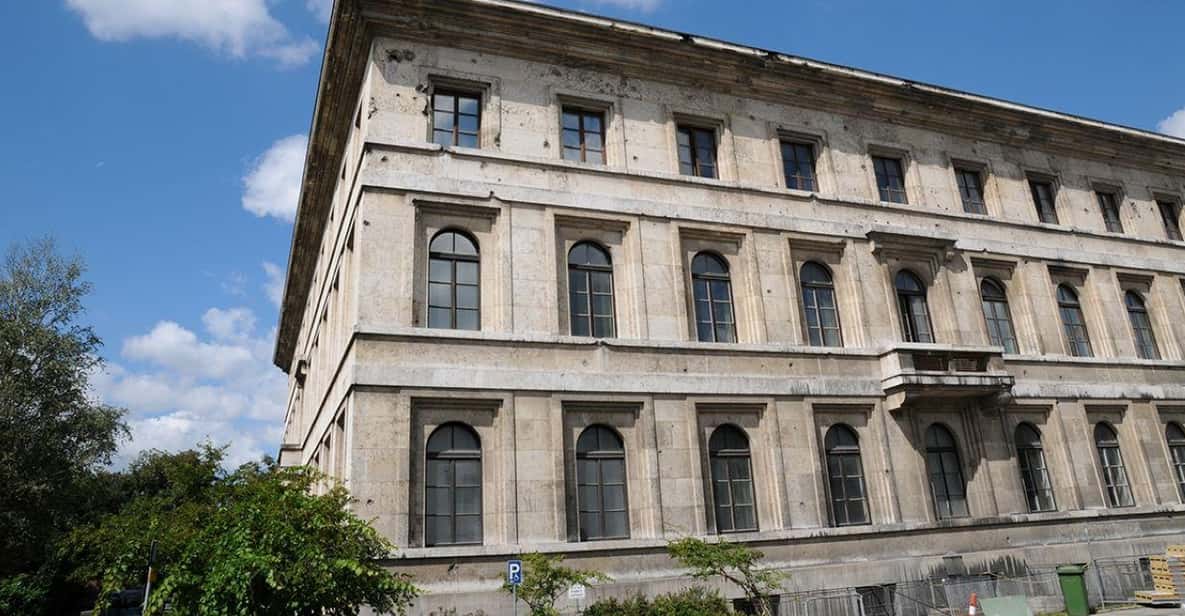
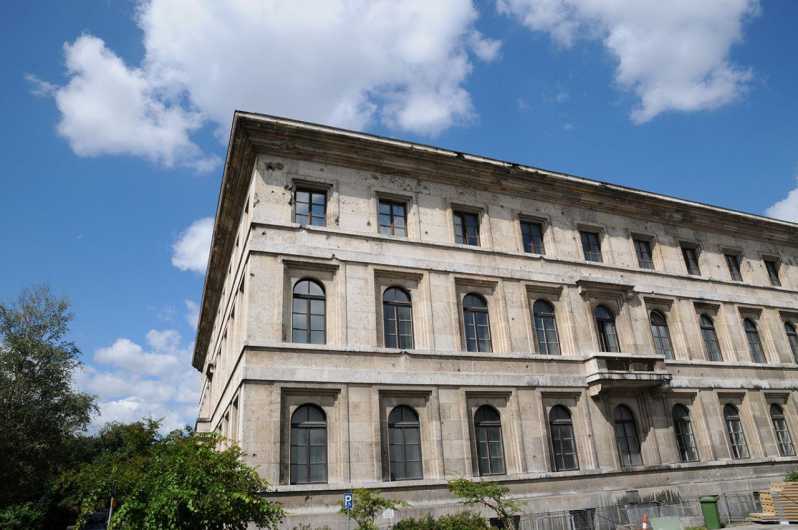
- Original buildings still matter here because some Nazi-era structures survived WWII bombing, creating a painful contrast with later memorials.
- Photos and documents are part of the method, helping you connect today’s street view to what stood there during the Nazi period.
- Your guide connects rise, resistance, and aftermath, not only Hitler’s arc.
- Private or group formats can change how interactive the tour feels.
Why Munich became the launching pad for Nazism
Munich is one of those cities where beauty and horror share the same streets. The National Socialist German Workers’ Party (NSDAP) was founded here. Hitler’s Beer Hall Putsch failed here. And in 1935, Munich was named the Capital of the Movement, a title that tells you how seriously the Nazis treated the city as their center of gravity.
What makes this tour worth your time is how it ties the political “origin story” to physical places you can actually walk past. It’s not an abstract lecture. You’re seeing a city that once served as the official hub of Nazism and a stage for early rallies, propaganda, and intimidation.
Even the way the city is described by outsiders signals its role. Allied Supreme Commander General Eisenhower famously called Munich the cradle of the Nazi beast. That’s not a throwaway line—it’s a reminder that this wasn’t just happening somewhere in Germany. It had a home base, and people built momentum there, step by step.
You can also read our reviews of more walking tours in Munich
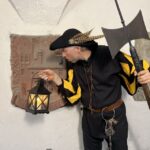
Finding the meeting point at Marienplatz (and starting on the right note)
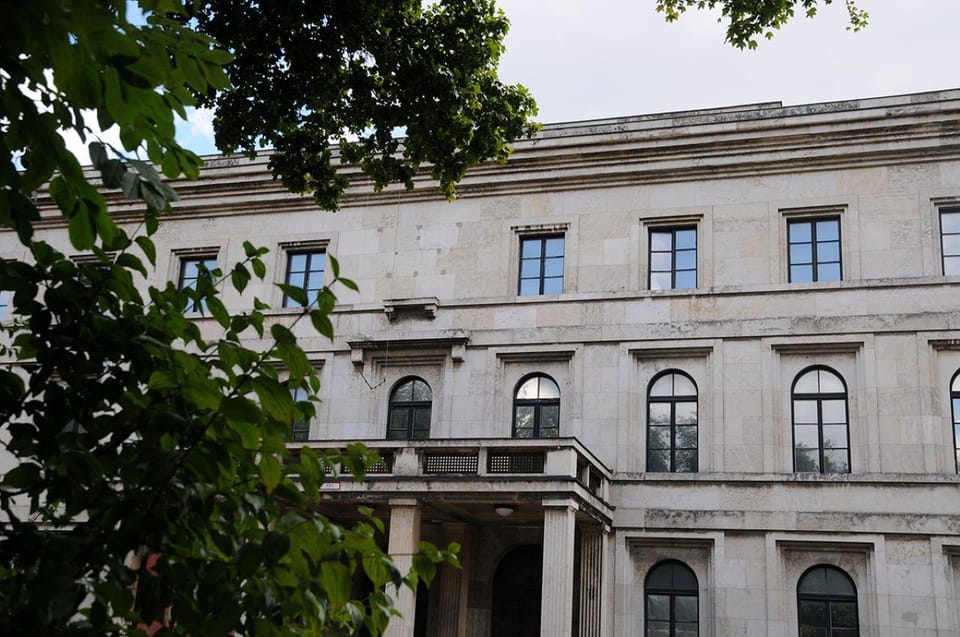
You’ll meet at MARIENSÄULE in the center of MARIENPLATZ—specifically at the golden statue on the tall red marble column. Look for a tour guide with a blue bag that has Weis(s)er Stadtvogel written on it.
This matters because Marienplatz is where you can quickly orient yourself. You’re starting in a place most visitors know, so the tour can shift you from sightseeing mode into historical context without making you hunt around town first. For a 2-hour walk, that “fast start” is a real plus.
Bring a simple game plan: comfy shoes, water or a drink, and a willingness to slow down when the guide asks you to look at details on buildings and street corners.
From Marienplatz to Königsplatz: how the 2 hours are paced
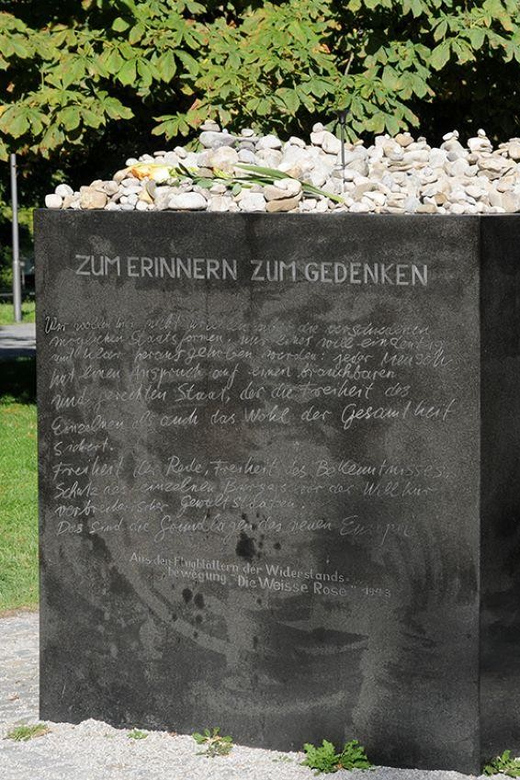
The tour is built as a tight walking loop through central Munich, especially around Marienplatz and onward toward Königsplatz. In that stretch, your guide links post–World War I turmoil to the Nazis’ rise, then moves forward into the darker years of World War II.
Here’s how the pacing usually feels in practice: your guide stops at key points, explains what happened there, and shows supporting material—documents and pictures—so you can match the story to the modern street scene.
That pacing is the core value of a walking format. You get a sequence:
- a place that explains the Nazi message and early power grabs
- another place that shows how that power became public and organized
- later stops that help you grasp the scale of destruction and intimidation
And because it’s only 2 hours, you’re not stuck for an entire afternoon in a single theme. You’ll finish with enough context to understand what you saw—and enough clarity to know what to look for next on your own.
The Third Reich sites you’ll actually recognize on the ground
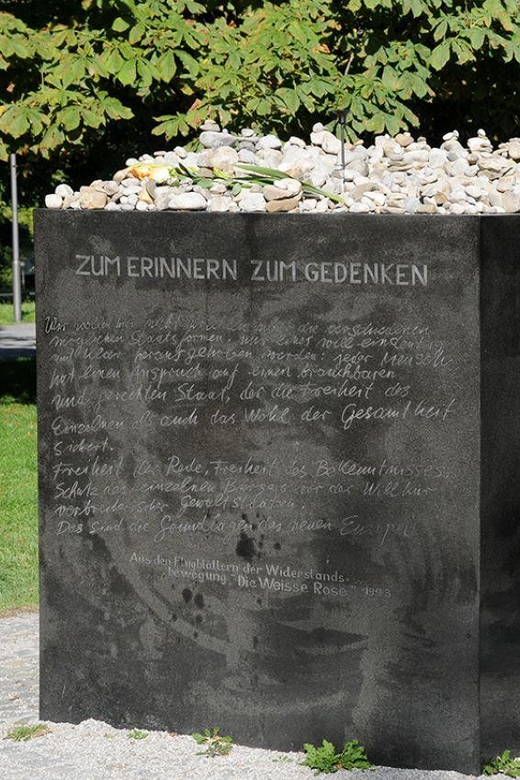
Munich is packed with history, but this tour focuses on the specific Nazi-related thread: buildings and locations tied to the “Third Reich” and the rise of the party.
Expect stops connected to:
- where the Nazi movement gained momentum in the early years
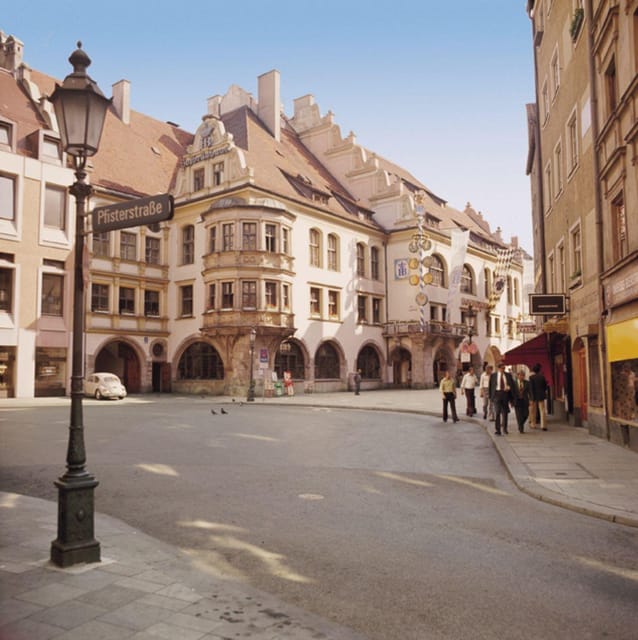
- beer hall culture and early public speeches associated with Hitler
- the party’s broader rise into a formal political hub
The tour also includes reference to anti-Semitic pogroms and the destruction of synagogues, alongside public acts such as book burnings. Those events are not presented as vague “they did awful things.” Your guide frames them in place—what the city looked like, what the Nazis were trying to accomplish, and how intimidation worked as a public tool.
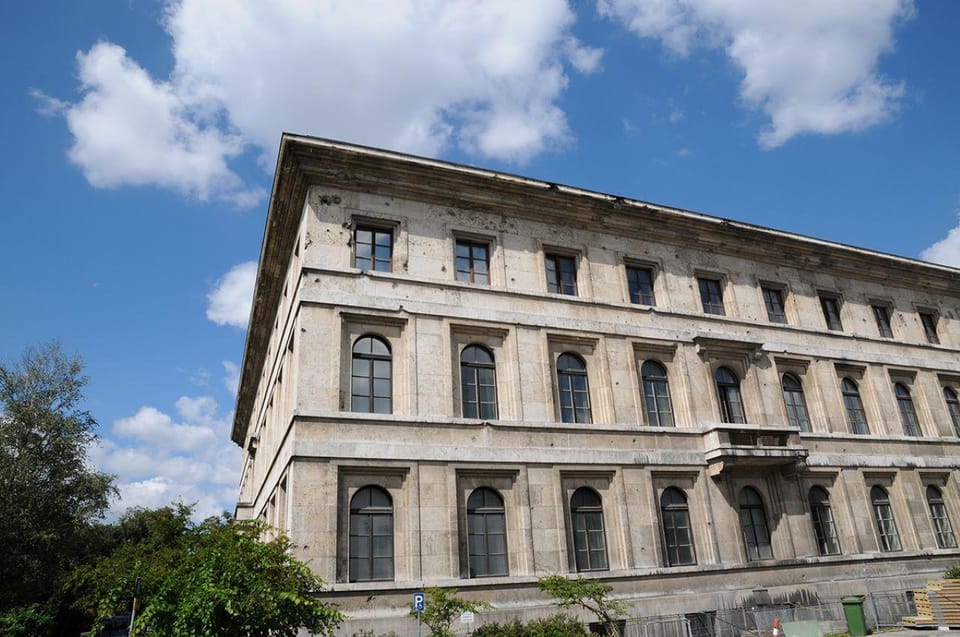
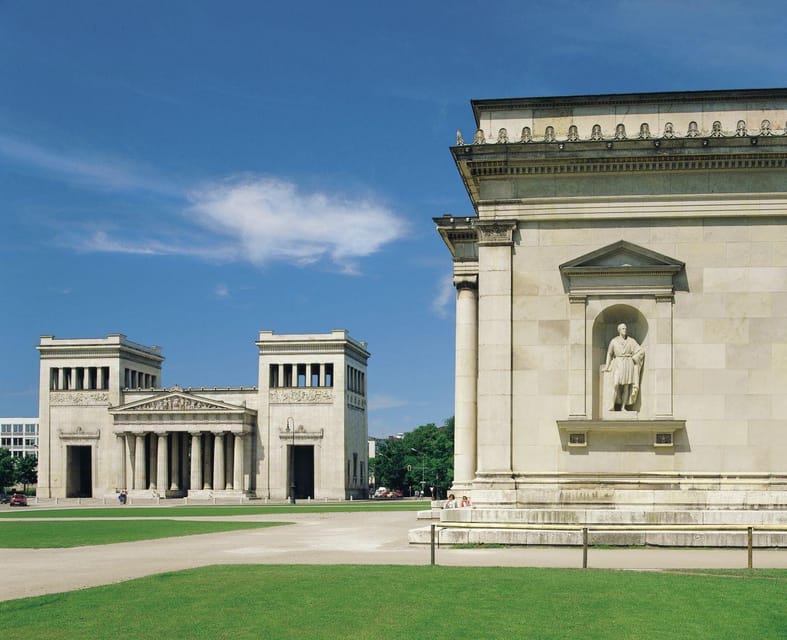
There’s also an explicit emphasis on the fact that not only buildings survived—some structures built to celebrate Nazi power remained standing after the war, creating an uncomfortable visual contrast with the memorials dedicated to victims.
That contrast is one of the reasons Munich hits so hard. It’s not just that history happened. It’s that the city still shows you the physical footprint of that era.
Hitler’s rise, the putsch, and resistance in the same walk
A lot of “history tours” focus narrowly on one storyline. This one tries to keep the full chain in view: how the early extremist core became a political force, and how democracy was attacked along the way.
You’ll hear about:
- Hitler as a public figure in Munich before power fully solidified
- the Beer Hall Putsch, including that it failed at first
- the transition from “movement” to a nationwide threat
Just as important, the tour doesn’t treat the story as one-directional. Your guide brings in people who resisted Nazism, so you get a wider moral picture than the usual “villain wins” narrative.
That helps you make sense of what you’re seeing around you. When a building or square is tied to coercion, propaganda, or violence, it feels different once you understand the stakes—and what ordinary life was pressured to become.
You can also read our reviews of more private tours in Munich


Why the WWII scars and surviving monuments matter
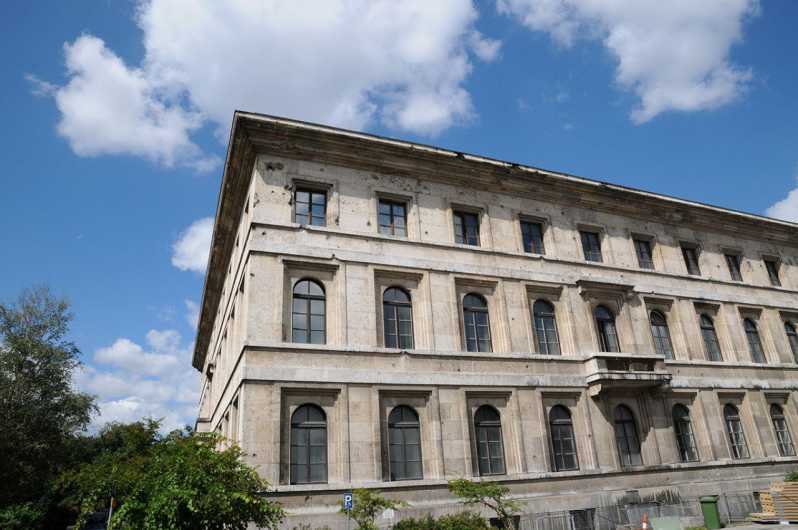
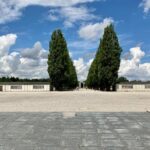
One of the more sobering aspects of Munich is that much of central Munich was destroyed by Allied bombing, yet many grand structures built on Hitler’s orders survived. So you get two kinds of visual evidence in the same city:
- remaining monumental architecture tied to Nazi messaging
- memorials and reminders to victims and resistance
Your guide points out how some locations still bear physical scars from the war and what those scars communicate. Even without getting graphic, the effect is real. The city becomes a living document: not polished, not museum-clean, and not neutral.
If you’ve ever visited places where history is hidden behind interpretive panels, this is different. Here, the street view itself is part of the lesson.
Private vs group tour: which style fits your day?
The tour offers a private or group option, with a certified guide leading the walk and live guidance in German or English.
If you’re traveling with a couple of people (or you want a quieter pace), the private option can be especially practical. You’re more likely to get answers to your questions on the spot—useful on a topic this emotionally loaded. It also gives you more control over pacing when the guide is calling your attention to specific building details.
If you’d rather share the learning with others, a group setting can still work well, especially when your guide is interactive. In past experiences with this style of tour, guides were described as engaging and interactive, with a friendly tone that helps people stay with the subject rather than tuning out.
Price and value: what $259 per group really means
The price is listed as $259 per group up to 25, for a total duration of 2 hours.
Here’s the value logic I’d use when deciding:
- If you’re traveling as a group, that price can stretch nicely because it’s per group, not per person.
- If you’re solo or just two people, you may feel it more, since the cost doesn’t automatically scale down to a “single traveler bargain.”
Still, the core included component is strong: you’re paying for a guided walk with a certified guide, and the tour isn’t just scenic. It’s focused on original locations tied to the Nazi era and WWII context. For a short 2-hour slot, it’s efficient.
Think of it as buying clarity and context rather than paying for transportation or museum entry.
Practical tips: shoes, walking comfort, and the no-video rule
This is a walking tour. That sounds obvious, but it affects how you pack.
- Wear comfortable shoes you can stand in for stretches.
- Bring drinks, especially on warmer days or when the weather turns damp and cool.
- Plan to stay present. This route includes emotionally difficult events and symbolism tied to violence and persecution.
Two more practical notes:
- Live guide languages are German and English.
- Video recording is not allowed. Still photography may be your best bet if you want to capture details, but for actual facts and context, you’ll be relying on the guide’s explanations and materials.
Wheelchair accessibility is listed as available, which is a helpful signal if you need smoother route planning. Just note that it’s still a city walk, so comfort and route specifics matter.
Who should book this tour, and who might skip it
This tour is a strong match if you:
- want a clear, place-based explanation of Munich’s role in Nazi rise and WWII aftermath
- like walking tours where the guide points out details you might miss
- are ready for a serious historical topic handled with context, not sensationalism
It’s less suitable if you:
- need something light and casual
- are traveling with children under 10, since the tour is explicitly not suitable for them
- strongly prefer tours where you record freely on your phone/camera (video is not allowed)
If you’re a solo traveler, the format can still work well, because you can ask questions and get your own pace through stops—especially when the guide is welcoming and patient.
Should you book this Munich Third Reich and WWII walking tour?
Yes, if you want a grounded, specific way to understand why Munich mattered. The best part isn’t just that the tour covers major events—it ties those events to real locations you can see, and it uses documents and pictures to connect the past to what’s standing today.
Book it if you value context, respectful explanation, and a guide who can keep the story coherent in a short time window. Skip it if you’re avoiding heavy topics, or if you want a quick sightseeing loop without historical weight.
FAQ
Where is the meeting point for the Munich Third Reich and WWII walking tour?
You meet at MARIENSÄULE in the center of MARIENPLATZ, at the golden statue on the tall red marble column. Look for a guide with a blue bag that says Weis(s)er Stadtvogel.
How long is the tour?
The tour lasts 2 hours.
Is this tour private or group?
It’s offered as private group (and the activity also notes you can choose between a private or group option).
What’s included in the price?
The tour includes a certified guide and a walking tour.
What languages are the guides?
The live guide is available in German and English.
Is the tour wheelchair accessible?
Yes, the tour is listed as wheelchair accessible.
What should I bring?
Bring comfortable shoes and drinks.
Is video recording allowed?
No, video recording is not allowed.
Is there a cancellation window for a refund?
Yes. You can cancel up to 24 hours in advance for a full refund.