REVIEW · MUNICH
Munich: Private Walking Tour of the Historical City Center
Book on GetYourGuide →Operated by Travmonde OÜ · Bookable on GetYourGuide
One street corner can tell a whole century. This private walking tour threads Munich’s old civic life, church legends, and WWII-era stories through the same blocks you’ll walk today, with a guide who can shape the pace to your group. I love the WWII connection (including Georg Elser’s daring attempt to stop the worst outcome) and how you’re pointed at small details you’d otherwise miss, like the meaning behind the Rathaus-Glockenspiel.
The only real drawback to plan around is that private tours depend heavily on the guide’s delivery. In one account, the guide was hard to hear and not very animated, so if your group needs louder, more interactive narration, it’s worth choosing a time and guide style that fits you.
In This Review
- Key Points You’ll Care About
- Where It Really Starts: Marienplatz and the Fish Fountain
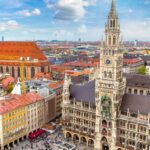
- Rathaus-Glockenspiel and Town Hall Views That Make Sense
- Mary’s Column: Why a Monument Named the Square
- St. Peter and the Monks Who Shaped Munich
- Frauenkirche: Double-Tower Views and the Devil’s Footprint Legend
- Odeonsplatz: Beer-Hall-Putsch, a City’s WWII Role, and Georg Elser’s What-If
- Hofbräuhaus and the Long Beer-Garden Tradition
- Viktualienmarkt: Finishing on Food, Produce, and Central Beer-Garden Energy
- Optional Residenz Museum: When It’s Worth Extending the Story
- Private Group Pacing: Why Up to 15 People Can Still Feel Personal
- Price and Value: What $288 Covers (and What It Doesn’t)
- Who Should Book This Munich Walk—and Who Might Want Another Option
- Should You Book This Munich Private Walking Tour?
- FAQ
- How long is the Munich private walking tour?
- Where do we meet for the tour?
- Is this tour private?
- What languages are available?
- Is the Residenz Museum included?
- Are entrance fees and food included?
- Is the tour wheelchair accessible?
Key Points You’ll Care About
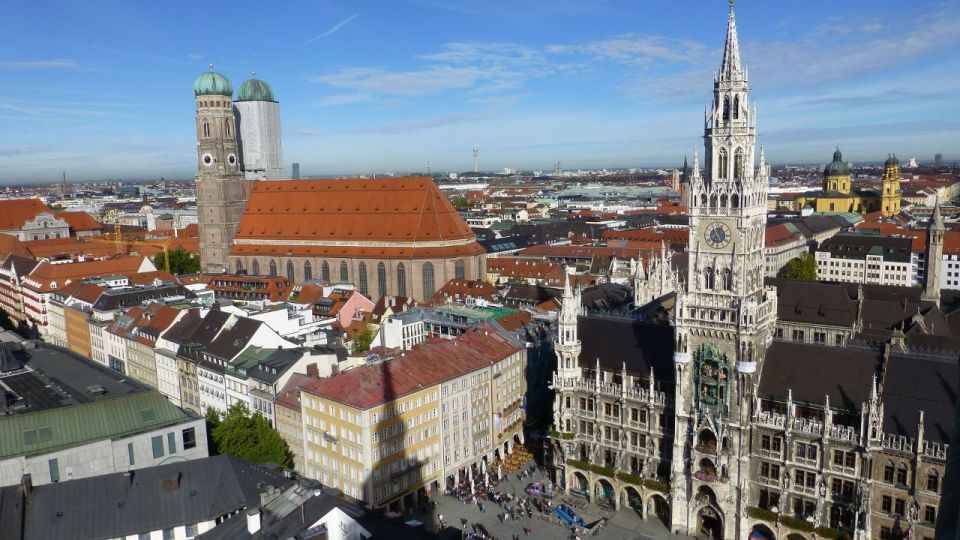
- Marienplatz start at the fish fountain gives you fast orientation in the city center.
- Rathaus-Glockenspiel meaning explained, not just watched.
- St. Peter to Frauenkirche covers how Munich formed and the legends tied to its cathedral.
- Odeonsplatz WWII stories include Eva Braun’s connections and Georg Elser’s assassination plot.
- Beer culture with real anchors like Hofbräuhaus (1589) and long-running beer-garden tradition.
- Optional Residenz Museum can turn this from a walking tour into a history-and-art stop.
Where It Really Starts: Marienplatz and the Fish Fountain
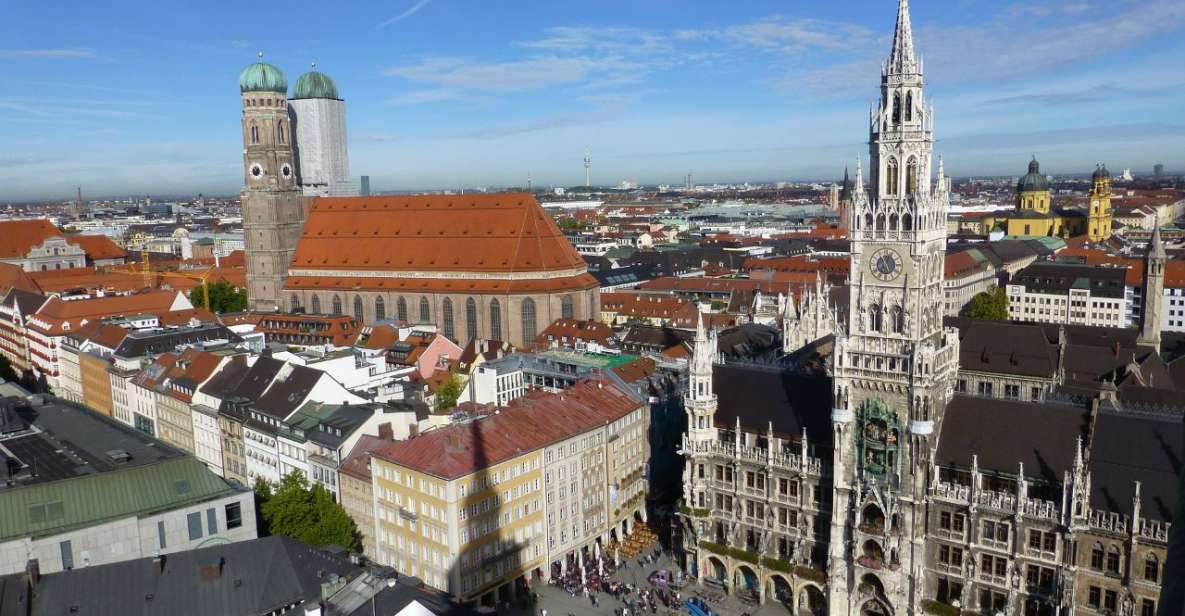
I like that this tour begins where you’re naturally already headed. You meet at the fish fountain in front of the Town Hall, at Marienplatz 8, right in the middle of Munich’s core. It’s an easy meeting point to find, and within minutes you’ll know what direction the day’s stories are going.
Because it’s a private walking format for a group up to 15, the early minutes matter. You can ask quick questions, get your bearings fast, and then settle into a route that keeps moving without feeling like you’re being rushed along.
You can also read our reviews of more walking tours in Munich
Rathaus-Glockenspiel and Town Hall Views That Make Sense
From Marienplatz, you’ll spend time with both the Old Town Hall and the New Town Hall. This is one of those places where the landmark is famous, but the meaning can be vague unless someone explains it clearly. I like that the tour focuses on why the Glockenspiel matters and what the clock tower represents in Munich’s public life.
You’ll also hear about the historical-landmark clock tower and the story behind it, so you can look up and actually follow what you’re seeing. Instead of treating it as a photo stop, you’ll treat it like a window into how the city signaled identity, pride, and celebration.
One small consideration: if you’re the type who wants maximum time inside buildings, a 3-hour walking tour is still a walking tour. You’ll get viewpoints and context first, and any deeper interior exploration is best handled by choosing the optional museum add-on.
Mary’s Column: Why a Monument Named the Square
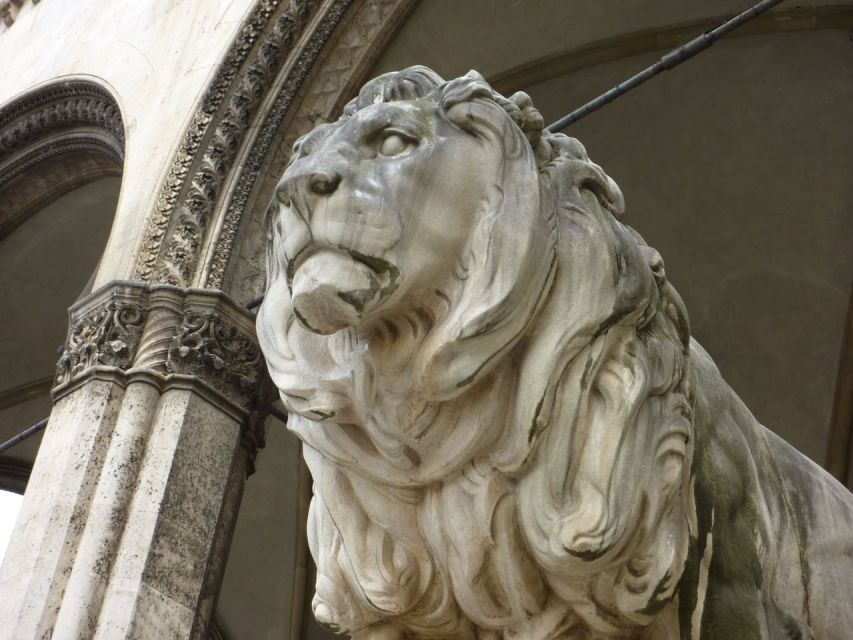
Right around the same central zone, you’ll hear the reason Mary’s Column gave its name to the square. That detail is exactly why I prefer a guided walk in Munich’s center over wandering alone: the city has layers, and the names are clues.
You’ll also see the square’s key structures from the outside and learn how the space functioned over time. It’s not just pretty architecture; it’s civic space shaped by politics, religion, and public ceremonies.
St. Peter and the Monks Who Shaped Munich
The tour connects Munich’s origins to religion and early settlement, and it does that with a stop at St. Peter, the oldest Catholic church in the city. The guide explains how monks helped give rise to the city, which helps you understand why certain areas became power centers so early.
I like this stop because it slows the pace in a useful way. Even if you’re not a church-crowd person, it gives you a real timeline anchor: Munich didn’t start as a modern metropolis. It started as a place of spiritual and community gravity, and you’ll feel that idea in the route that follows.
If your group includes people who care more about architecture than stories, this church stop may be the perfect bridge. It offers both: a sense of the city’s early structure and a human explanation for how communities formed.
Frauenkirche: Double-Tower Views and the Devil’s Footprint Legend
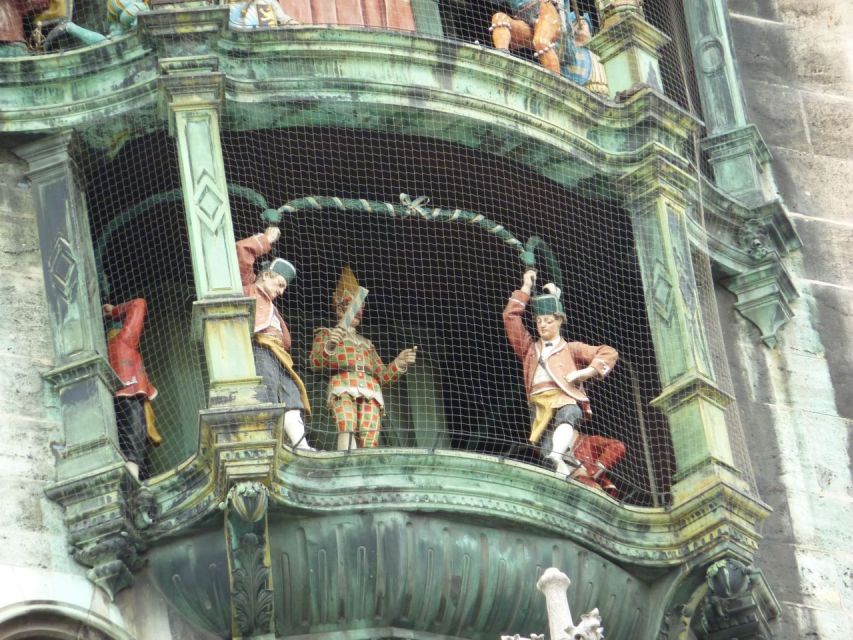
Next comes the cathedral area, where you’ll get a good view of the double towers of the Frauenkirche, described as the largest church in Munich. Watching two towers rise over the city center is one of those visual moments that makes the whole walk feel grounded and real.
Then the guide brings in the legend of the devil’s footprint at the cathedral. I find that kind of story does more than entertain. It shows how people processed fear, faith, and the unknown through symbolism they could point to with a finger.
This is also a good spot for your group to take a moment and look around. The cathedral’s silhouette is a Munich signature, and once you know the legend behind a detail, you’ll notice other symbolic elements on the walk even if the guide doesn’t call them out.
You can also read our reviews of more city tours in Munich


Odeonsplatz: Beer-Hall-Putsch, a City’s WWII Role, and Georg Elser’s What-If
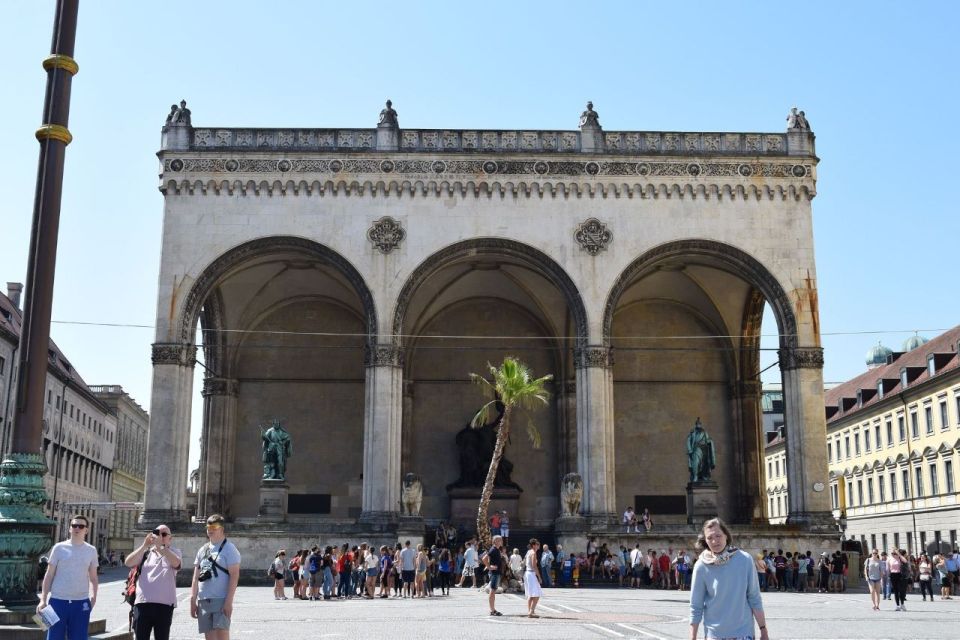
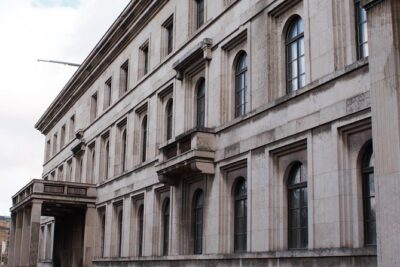
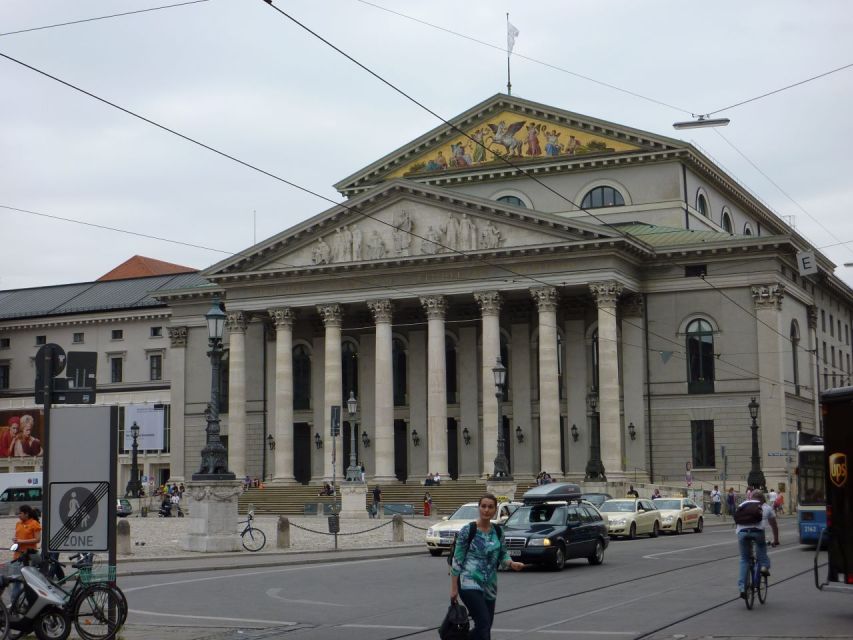
Odeonsplatz is where the tone shifts. The guide explains the Beer-Hall-Putsch, describing how two thousand men led by Adolf Hitler marched to the center of Munich in the Nazi’s first attempt to seize power. It’s a heavy moment, but the tour handles it as part of the city’s story rather than as pure shock value.
This is also where the tour ties Munich to WWII on multiple levels. You’ll hear about the city’s role during that period and the idea that the war was almost stopped, with the centerpiece being Georg Elser’s plan to assassinate the Fuhrer. Even if you already know the headline, I like having a guide connect the plot to specific locations, because it turns a textbook event into something you can picture.
The walk also includes a connection to Eva Braun, described here through the hometown of a young German girl who later became the wife of Hitler. I think this kind of link works best when it’s handled carefully, and a good guide will keep it factual and place-based rather than turning it into gossip.
One practical note: since this portion carries real historical weight, it’s worth making sure your group is in the right headspace. If you have kids or group members who get overwhelmed by WWII-era material, talk to your guide beforehand so you can steer the discussion to what your group can handle.
Hofbräuhaus and the Long Beer-Garden Tradition
After Odeonsplatz, you’ll shift back into Munich’s daily culture. The guide explains Munich’s beer culture and highlights the royal brewery known as Hofbräuhaus, established in 1589. That date does something important: it shows that beer in Munich isn’t just a modern lifestyle choice. It’s part of the city’s institutional history.
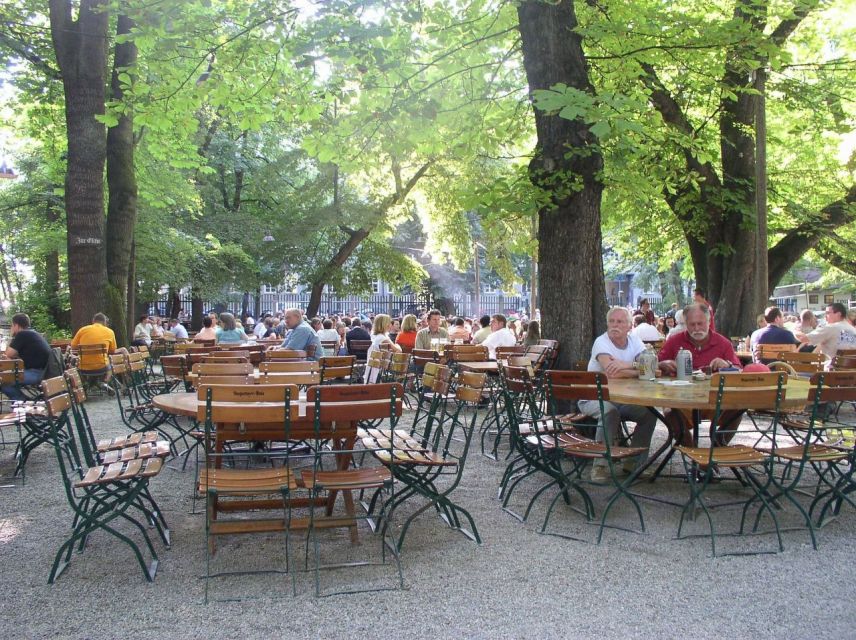
The tour also points out famous beer gardens established nearly 450 years ago. You’ll hear enough context to understand why beer gardens are social “infrastructure,” not just places to drink. That matters because once you get the why, you’ll enjoy the atmosphere more when you come back later on your own.
If you’re a non-beer person, you can still enjoy this section. The best version of this stop isn’t the drinking; it’s the civic role of beer culture and the way it shaped neighborhoods and meeting habits.
Viktualienmarkt: Finishing on Food, Produce, and Central Beer-Garden Energy
The tour wraps up by passing Viktualienmarkt, Munich’s public food market. The market setting is exactly the right ending for a 3-hour walk because it feels like a living city, not a museum route.
You’ll see local delicatessen and fresh produce, and you’ll also encounter one of the most central beer gardens in Munich. Even if you don’t stop to eat, the market gives you a last sensory layer: smells, crowds, and everyday rhythm. It’s a simple way to end with momentum instead of fatigue.
If your group has limited time later, this finish also works well. From a market hub you can hop to other nearby sights without needing to backtrack.
Optional Residenz Museum: When It’s Worth Extending the Story
You have the option for your guide to lead a visit to the Residenz Museum. That’s the biggest “choose your own history” lever in this experience, because it turns the tour from streets-and-stories into a mix of exterior landmarks plus museum interior time.
Because entrance fees aren’t included, you’ll want to budget for the museum element when you select the option. But if your group enjoys court history, art, and the way power showed itself through rooms and collections, this is the logical add-on.
I’d treat the Residenz Museum choice like this:
- If you want maximum context about Munich’s past from buildings and streets, stick with the core walk.
- If you want deeper time in a specific palace-and-collection setting, choose the museum option and let the guide connect what you saw outside to what you’ll see inside.
Private Group Pacing: Why Up to 15 People Can Still Feel Personal
This is private by design, with a group size up to 15. That matters because a 3-hour route like this can either feel scripted or feel tailored, depending on how the guide manages questions and pacing.
When a guide is a strong storyteller, the time flies. One guide associated with this experience, Tom, is praised specifically for being a natural storyteller with lots to share. That kind of delivery is what turns a route into a narrative you remember later.
At the same time, the same private setup is also the risk. If the guide speaks quietly or is hard to hear, the “private” part doesn’t help. In one account, the guide was accommodating with timing but difficult to understand due to voice volume and engagement level. So plan for the fact that your enjoyment hinges on communication quality.
Price and Value: What $288 Covers (and What It Doesn’t)
The price is $288 per group for up to 15 people, with a duration of 3 hours. The value here depends on who’s in your group.
If you have a full group near the max, you’re effectively paying far less per person than you would for many individually priced tours. If it’s just two people, the cost per person feels higher, so I’d only book if you strongly want guided interpretation of multiple landmark zones in one go.
Included is a local professional guide. Not included are entrance fees and food and drinks. That’s normal, but it affects how you plan your total spend. If you want the Residenz Museum stop, entrance fees will likely be your added cost, and if you want beer-garden time, you’ll need to plan for drinks on your own.
Who Should Book This Munich Walk—and Who Might Want Another Option
I’d recommend this tour if you like city-center walking with clear explanations and you want WWII-era context connected to actual Munich locations. It’s also a solid fit if you enjoy legends and meaning, not just landmark photos, since the itinerary includes church legend material like the devil’s footprint.
You should probably skip it if your group needs wheelchair access, since it isn’t suitable for wheelchair users. Also, if your group hates heavier WWII topics, make sure you’re comfortable with how much that theme is included in the route.
For most people, the sweet spot is history-minded couples, small friend groups, and anyone who wants to understand Munich’s identity without turning the day into nonstop museum time.
Should You Book This Munich Private Walking Tour?
Book it if you want a guide to connect the dots between Munich’s public squares, churches, and WWII landmarks, all within a tight 3-hour window. The best reason to go is the story focus: the tour doesn’t just point at sights, it explains why names and symbols matter, from the Rathaus-Glockenspiel to legends tied to the cathedral.
Don’t book it if you need lots of interior time beyond what’s offered, or if your group would struggle with the WWII themes at Odeonsplatz. Also, if you’re very sensitive to hearing and want a lively, louder delivery, consider asking for guidance style preferences when you reserve.
FAQ
How long is the Munich private walking tour?
It lasts 3 hours.
Where do we meet for the tour?
You meet at the fish fountain in front of the Town Hall, Marienplatz 8, 80331 München.
Is this tour private?
Yes, it’s a private group tour, up to 15 people.
What languages are available?
The live tour guide is available in English and German.
Is the Residenz Museum included?
It’s optional. If you choose that option, the guide will lead a visit to the Residenz Museum, but entrance fees are not included.
Are entrance fees and food included?
No. Entrance fees, food, and drinks are not included.
Is the tour wheelchair accessible?
No, it is not suitable for wheelchair users.