REVIEW · MUNICH
Munich: Resistance against Hitler – Historical Walking Tour
Book on GetYourGuide →Operated by Munich Stories · Bookable on GetYourGuide
Munich has another side. In this resistance-focused walking tour, I loved Alex’s way of explaining hard history in plain language, and I also liked how the route moves beyond the White Rose to show lesser-known acts of opposition. One possible drawback: the tour is in German, so if you’re not comfortable with the language, plan on reading along less and relying on your own basic understanding.
You start at the big fountain in front of the main entrance of the University of Munich (LMU) at Geschwister-Scholl-Platz 1, and the day stays centered on original places tied to Munich’s Nazi-era power and pushback. The whole experience is built for a brisk, focused 2-hour walk, rain or shine, ending around Odeonsplatz.
Because the subject is serious, you’ll want comfortable shoes and a mindset for tragedy with a thread of hope. If that tone fits what you’re looking for, this is the kind of tour that changes how you read the streets.
In This Review
- Key highlights at a glance
- Munich’s Nazi birthplace, and the people who said no
- Meeting point at LMU: where the route sets its tone
- The university stops: resistance and youth in the same streets
- Moving to the former Central Ministry: politics made physical
- Secret military plot and the lone bomb plan: suspense with historical weight
- The coup context: dramatic resistance against the Nazis
- Odeonsplatz finale: where you end with a larger city perspective
- Why the price feels fair for what you get
- Who this tour is best for (and who should consider another option)
- Practical tips before you go
- Should you book this Munich resistance tour?
- FAQ
- Where does the tour start?
- How long is the tour?
- What language is the guide?
- What should I wear or bring?
- Does the tour include hotel pickup?
- Is the tour wheelchair accessible?
- Is there flexibility with cancellation or payment?
Key highlights at a glance
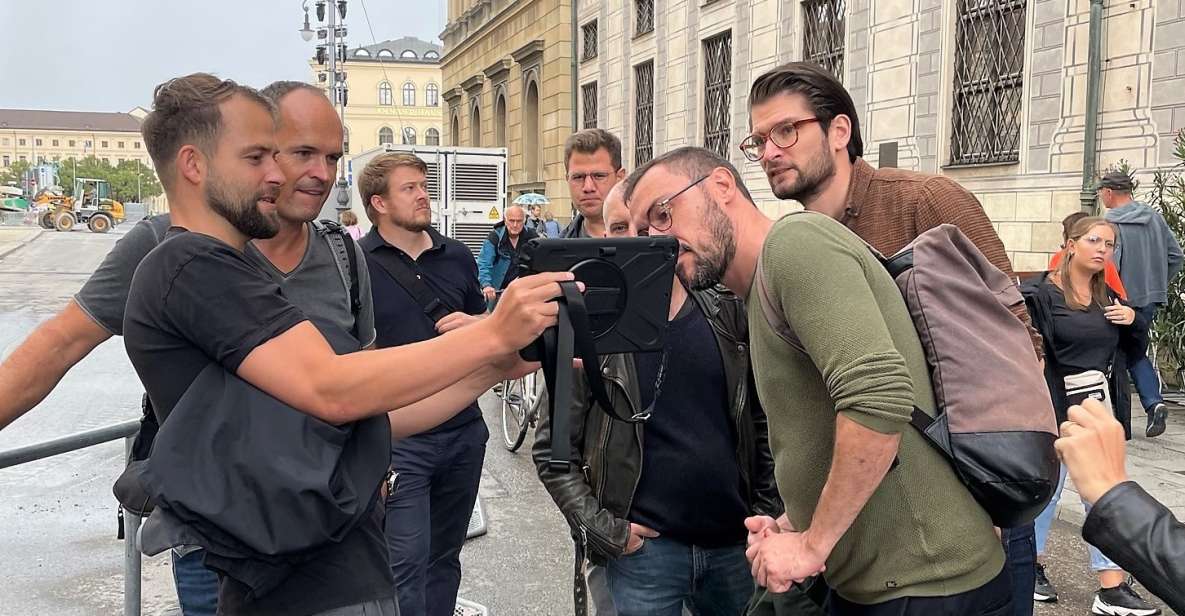
- Guided by Alex (a Munich local) who tells the stories with passion and handles questions well
- White Rose spotlight, plus other resistance movements that are often less discussed
- Concrete locations, including the university area and the final walk to Odeonsplatz
- Assassination and coup plots, explained through the places where these plans took shape
- Clear atmosphere despite the heavy topic, with pacing that keeps it understandable
- Good visual support, including unusual historical imagery tied to the stops
Munich’s Nazi birthplace, and the people who said no
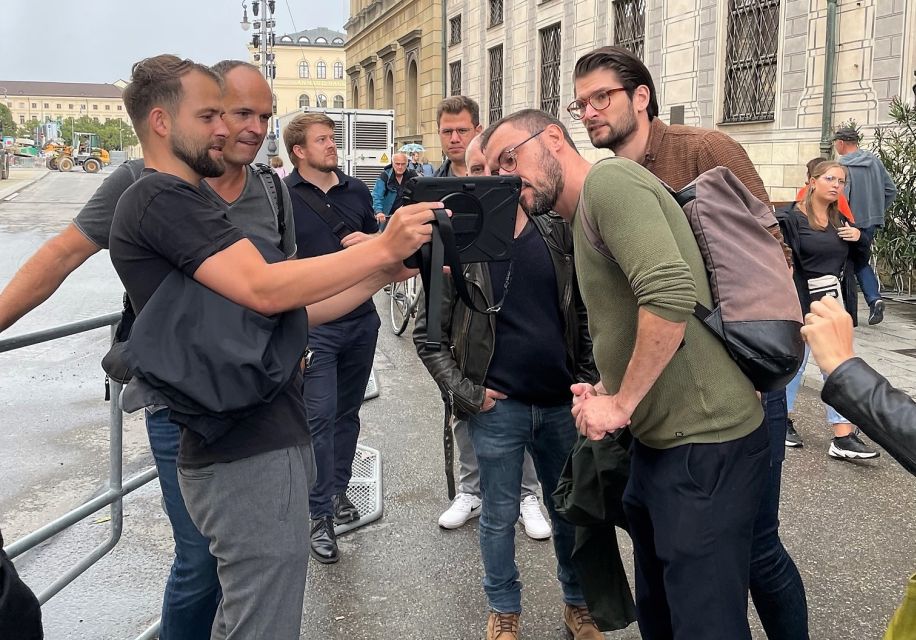
Munich is where National Socialism took root—Hitler’s early speeches happened here, the Nazi Party was founded here, and the city stayed wrapped in propaganda right up to the end. That’s exactly why this tour works: it doesn’t treat resistance as an abstract idea. It places it back in the same streets where power was built.
I like that the tour frames resistance as real choices made by real people—women and men who didn’t just watch quietly. You’ll hear tragic stories, but you’ll also get the hopeful angle: courageous people risking everything for a better future.
A smart part of the approach is the balance. You don’t only get the most famous resistance thread. You also get stories that are less known, which helps you see that opposition wasn’t one isolated act—it was broader, across different ages and roles.
You can also read our reviews of more walking tours in Munich


Meeting point at LMU: where the route sets its tone
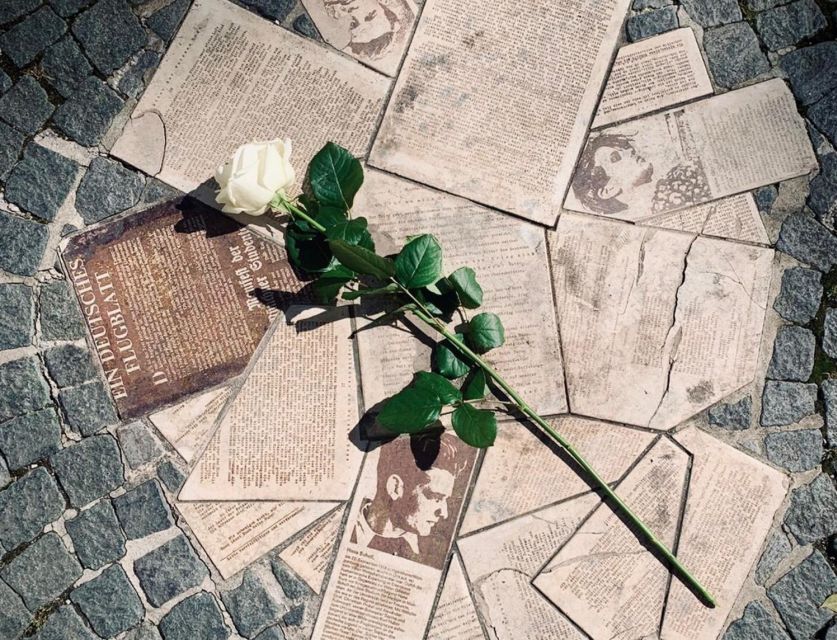
The tour starts at the big fountain in front of the main entrance of the University of Munich (LMU), at Geschwister-Scholl-Platz 1. This matters because universities are often where ideas circulate fast—and in this case, Munich’s youth is part of the resistance story you’ll hear.
Right away, you can expect a focused orientation. The guide points you toward the main building area and helps you connect what you see today with what was happening in the Nazi era. If you’ve only heard one name attached to anti-Nazi resistance, this start sets up a larger map.
Practical tip: arrive a little early so you can settle in before the guide begins. Comfortable shoes help, since it’s a rain-or-shine walk and you’ll be moving for the full 2 hours.
The university stops: resistance and youth in the same streets
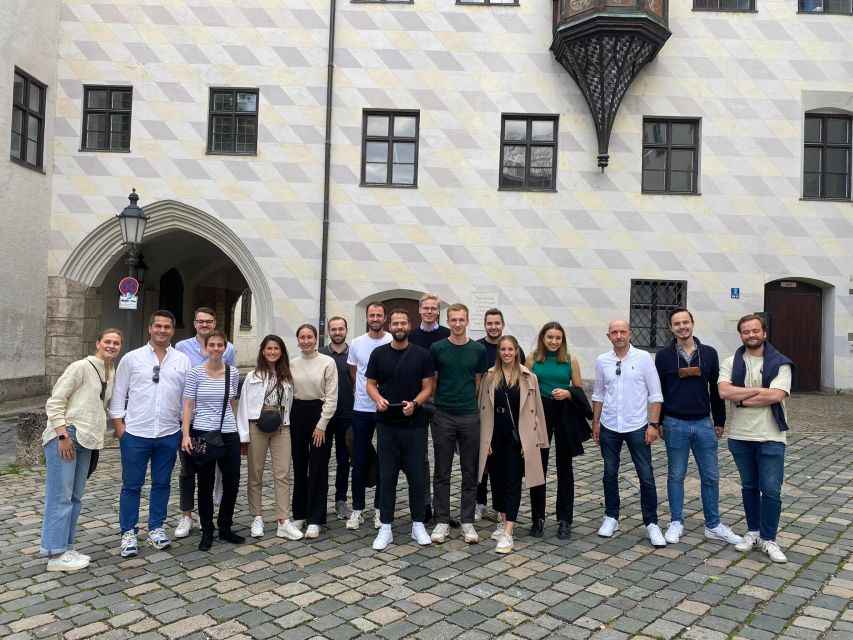
After the LMU fountain, the route takes you through original historical sites around the university area, including the main building of the university. That’s a smart choice for context. Munich’s power story was political, but the resistance story also involved thinking, writing, and student energy—things that don’t feel tied to one courtroom or one battlefield.
This is also where the tour’s tone becomes really useful for you as a visitor. Instead of forcing names at you, the guide helps you understand why young people could refuse the official narrative while so many others stayed silent. You’ll learn that Munich’s youth was prepared to resist—and that this stood out because many older people deliberately looked away.
If you like history tours that teach you how to “read” a city, these university-area stops are a good match. They connect ideology to physical space, which is where Munich can feel especially confusing on your own.
Moving to the former Central Ministry: politics made physical
From the university, the walk continues toward the former Central Ministry—another original site tied to the machinery of the Nazi state. I like this transition because it helps you see the contrast: resistance isn’t only about posters or underground planning. It’s also about pushing back against centralized power structures.
At this point, you’re not just sightseeing. You’re walking a timeline—how the Nazi system operated, and how opposition formed in response. The guide’s job here is to keep the story grounded, and the feedback about Alex points to exactly that: explaining things clearly, and answering questions without steamrolling you.
One consideration: because the tour is serious and story-heavy, you might want to pace your note-taking. You’ll remember more if you let the guide finish each segment before you get out your phone.
Secret military plot and the lone bomb plan: suspense with historical weight
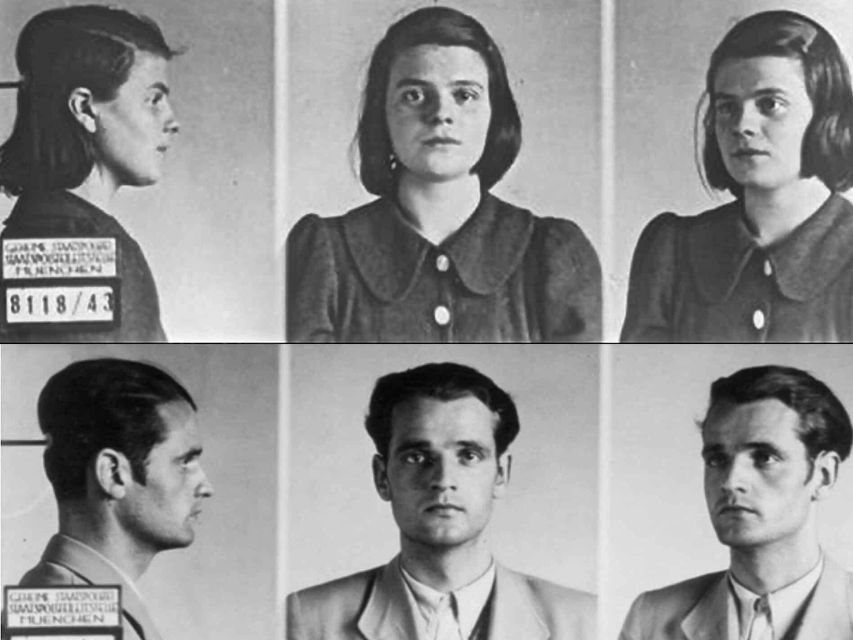
The tour includes dramatic elements—one of the most striking being a secret military plot, plus the story of a lonely man who built a bomb to kill Hitler. Even if you’ve heard bits of these themes before, the power of this experience is how it’s anchored to places, not just headlines.
This is where a walking tour can beat reading: you’re standing near the kind of real-world geography that makes plans either possible or impossible. That sense of “how could they do that here” is what keeps it from feeling like distant textbook material.
It’s also where you’ll appreciate the guide’s handling of tone. The topic is grim, but it’s told with an atmosphere that stays understandable rather than chaotic. In practical terms, that means you’re more likely to walk away with a clear mental storyline, not just a list of events.
You can also read our reviews of more historical tours in Munich




The coup context: dramatic resistance against the Nazis
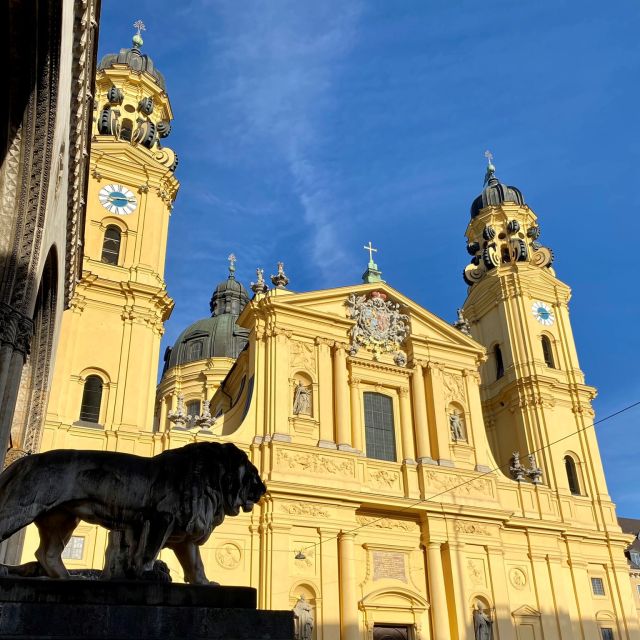
Another major storyline in the route is the original sight of a dramatic military coup against the Nazis. The tour doesn’t just mention that such attempts existed. It shows you how those events were tied to Munich’s environment and timing.
For you, this helps sort out something common after you’ve read a little history: confusion about what was political, what was military, and what was personal risk. By linking each theme to a physical stop, the guide makes it easier to keep categories straight.
Also, this section tends to generate questions—so if you like Q and A time, you’re in the right setup. The guide is described as able to answer questions well, and the tour’s format invites you to think.
Odeonsplatz finale: where you end with a larger city perspective
The final story takes you to Odeonsplatz, which is the last stop on the two-hour route. Ending here matters because it gives you a clean “finish line” and a moment to look back at what you’ve just learned.
By the time you reach Odeonsplatz, you’ll have heard about resistance movements ranging from youth-driven opposition to more clandestine and violent plots. That mix is the whole point: Munich wasn’t only a stage for Nazi power. It also held people brave enough to oppose it, even when the cost was enormous.
If you’re planning the rest of your day, consider giving yourself time after the tour to wander a bit. The city will feel different when you’ve learned to connect what you see to what happened behind it.
Why the price feels fair for what you get
At $28 per person for about 2 hours, this isn’t a “shortcut” tour where you pay for speed. You’re paying for a local guide (Alex), real historical storytelling, and practical recommendations to explore Munich like someone who lives here.
Here’s how I’d think about value as a buyer: the subject matter is heavy and easy to get wrong if the guide is vague. The best tours in this category do three things—clarify the timeline, point you to original sites, and help you understand why resistance looked different in different groups. The standout feedback about Alex’s clarity, passion, and ability to convey less-known events strongly suggests you’re getting that.
You also don’t have to worry about hotel pickup. That keeps it simple, but it means you should show up on time at the meeting point.
Who this tour is best for (and who should consider another option)
You’ll enjoy this tour most if you want:
- A walking route tied to original Munich locations
- Stories that include both famous threads and lesser-known resistance
- A guide who can keep the atmosphere serious but understandable
- A chance to ask questions and get answers
You might want to think twice if:
- You don’t speak much German, since the tour is conducted in German
- You prefer light or purely architectural city tours over emotionally heavy topics
In terms of pacing, 2 hours is long enough to feel like you got somewhere, but short enough that you can still enjoy the rest of your Munich time afterward.
Practical tips before you go
- Bring comfortable shoes. You’ll be walking and standing near sites.
- Dress for weather. The tour runs rain or shine.
- Plan on German listening. It’s a live guide experience, not a self-paced audio tour.
- If you like photos and visuals, you may find the guide’s use of historical imagery helpful for connecting information to place.
Should you book this Munich resistance tour?
I’d book it if you want Munich to make sense beyond the usual postcard view. This tour gives you a structured way to understand how Nazi power rose in Munich—and how resistance also took shape here, sometimes in surprising ways. With Alex leading, the experience stands out for clear explanations, attention to lesser-known events, and an atmosphere that respects the seriousness without turning confusing.
Skip it only if the language is a dealbreaker for you or if you’re not in the mood for a difficult, courage-centered story.
FAQ
Where does the tour start?
You meet at the big fountain in front of the main entrance of the Munich University (LMU), Geschwister-Scholl-Platz 1.
How long is the tour?
It lasts about 2 hours.
What language is the guide?
The live tour guide speaks German.
What should I wear or bring?
Bring comfortable shoes for walking. The tour takes place rain or shine, so dress appropriately for weather.
Does the tour include hotel pickup?
No, hotel pickup is not included.
Is the tour wheelchair accessible?
Yes, it is listed as wheelchair accessible.
Is there flexibility with cancellation or payment?
You can cancel up to 24 hours in advance for a full refund, and you can reserve now and pay later (pay nothing today).