REVIEW · MUNICH
Private Munich Old Town and Third Reich Walking Tour
Book on Viator →Operated by Radius Tours GmbH · Bookable on Viator
Two hours in Munich, with real consequences. This private walk blends classic sights like Marienplatz and Frauenkirche with places tied to the rise and fall of the Third Reich, all with a guide who can steer the focus to what you care about. You can also pick a start time that fits your day, which matters when Munich is busy and the sun has a mind of its own.
I especially like the private format: it’s built for questions, pauses, and small course corrections. I also like that the route strings together the city’s most recognizable landmarks, including St. Peter’s Church and the Rathaus-Glockenspiel, plus Munich’s iconic beer hall Hofbräuhaus for that straight-from-the-street feel.
One thing to watch: timing and weather can make a difference. If you’re traveling in hot weather or if a start gets delayed, church stops can become a problem since they may close during the afternoon—one late start was reported as a reason some promised church time got squeezed out.
In This Review
- Key Things To Know Before You Go
- Walking Munich’s Old Town, Then Facing Its Nazi Past
- Meeting Point, Pickup, and Choosing Your Start Time
- Marienplatz to Frauenkirche: Where Munich Shows Its Face
- Rathaus-Glockenspiel and New Town Hall Stops
- Hofbräuhaus and Munich Culture Beyond the Must-See List
- Nazi-Era Munich on Foot: What You’ll See and How to Use the Time
- How the Private Format Really Changes the Walk
- Price and Value: Is $239.65 Worth It?
- Who This Tour Fits Best
- Should You Book This Private Munich Old Town and Third Reich Tour?
- FAQ
- How long is the Munich Old Town and Third Reich walking tour?
- Is this tour private, and how many people are on it?
- Where do we meet, and where does the tour end?
- Is the tour offered in English?
- What’s included in the price?
- Are there admission tickets for the stops?
- Can I cancel for a full refund?
Key Things To Know Before You Go
- Private guide, max small group: capped at 9 people (and a maximum of 10 travelers listed)
- Two walk styles in one tour: Old Town orientation plus a targeted look at Nazi-era locations
- Major Munich anchors: Marienplatz, Frauenkirche, St. Peter’s Church, Rathaus-Glockenspiel, Hofbräuhaus
- Third Reich focus points: Hitler’s Nazi beginnings in the city, former Gestapo headquarters, and the Beer Hall Putsch site area (1923)
- Customizable route: you can ask for changes during the walk, including cutting some standard church talk
- Pickup options: central hotel pickup or meet at München Hauptbahnhof, with a meeting address at Dachauer Str. 4
Walking Munich’s Old Town, Then Facing Its Nazi Past
This is one of those rare tours that doesn’t treat Munich like a postcard only. You start in the places that define the city’s everyday rhythm—squares, churches, and the clockwork spectacle of the Rathaus-Glockenspiel—then you move into the darker timeline of how power took hold here and what left scars behind.
What makes the experience practical is that it’s designed as a short walk: about 2 hours. That means you get orientation fast, and you don’t have to burn an entire day just to understand where things sit in relation to each other.
The private setup is a real advantage. You’re not stuck listening to the same script for every person, and you can ask your guide to slow down where you want detail. In fact, multiple guides are praised for matching pace and tailoring the route; one guide named Ian is singled out for helping people feel like they were having a conversation, not just getting an info dump.
You can also read our reviews of more walking tours in Munich
Meeting Point, Pickup, and Choosing Your Start Time
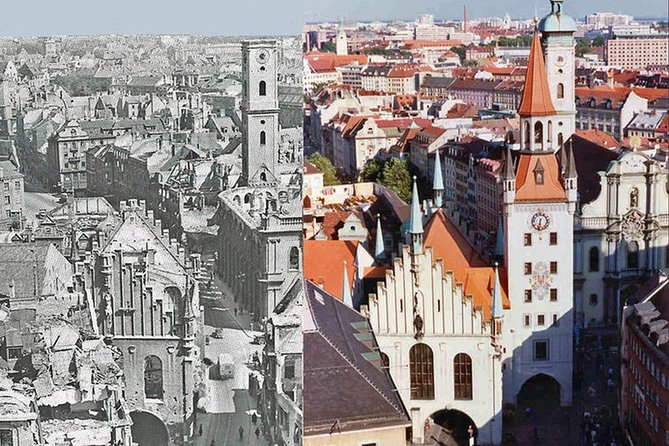
You’ve got two ways to begin. The tour can pick you up from any central Munich accommodation, or you can meet at München Hauptbahnhof, the main train station. The meeting address also listed for this experience is Dachauer Str. 4, 80335 München—so keep an eye on your exact confirmation message.
The tour ends back at the starting point. That matters because you can plan your afternoon without worrying about being dropped in some random spot.
You can also choose a start time, and you should take that seriously. In Munich, church hours and public square activity can change a lot over the day. One late meeting issue was reported in feedback, and the knock-on effect was that some church visits became impossible because many were closed. Translation: if you care about the church stops, start early enough to keep breathing room in your schedule.
Marienplatz to Frauenkirche: Where Munich Shows Its Face
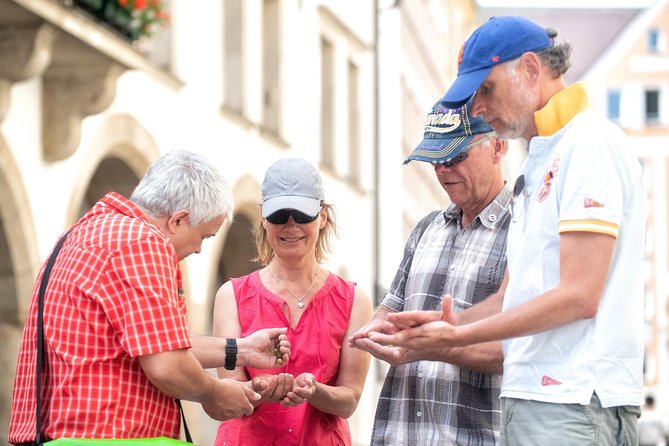
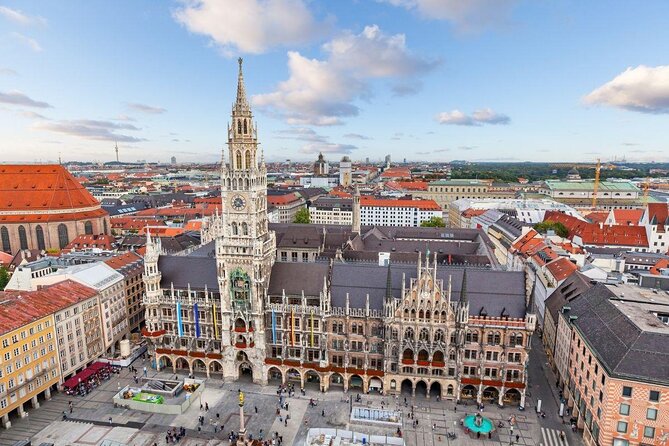
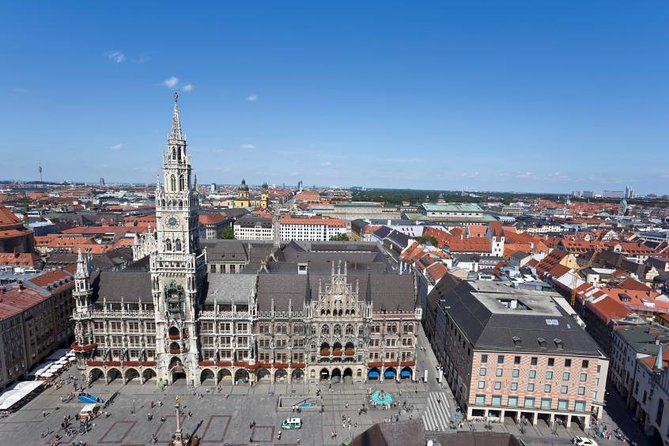
This tour’s first stretch is all about orientation. You begin at Marienplatz, the central square that’s been the heart of the city since 1158. This is where the city feels most self-aware: civic buildings, people crossing from every direction, and the kind of central energy you’ll recognize all trip.
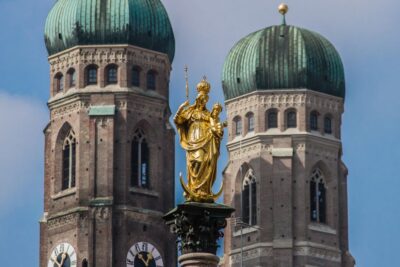
From there, you head to Frauenkirche, Munich’s largest church. Even if you’re not the type to go deep on architecture, this is a key visual landmark. It helps you understand why so many of Munich’s later stories unfold against the backdrop of the same old streets and institutions.
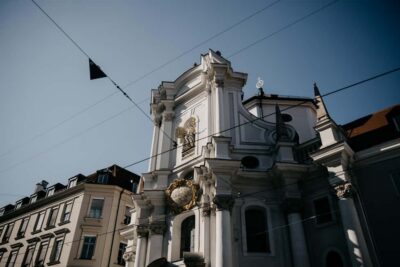
Then you go to St. Peter’s Church, noted as the oldest structure in Munich. That’s a great stop for context: it reminds you that this city has been changing for a long time—long before the 20th century ever showed up.
What I like here is the balance. These stops aren’t just “look at a building.” They’re used as anchors, so later, when you walk past Nazi-era sites, your brain isn’t lost in distance and name confusion. You’re building a mental map as you go.
Rathaus-Glockenspiel and New Town Hall Stops
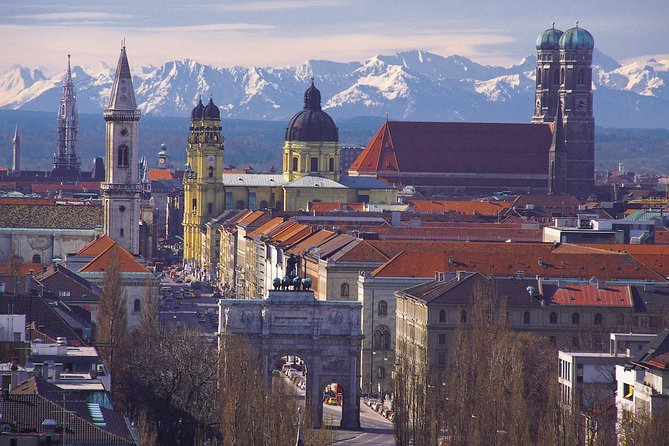
Next up is the Rathaus-Glockenspiel—the famous clock on the city hall. Even people who usually ignore clocks stop for this one, because it’s designed to feel like a mini show in the middle of a public square. It’s the kind of detail you’ll remember later when you’re trying to explain Munich to someone who didn’t make it.
The walk also includes the New Town Hall (Neus Rathaus). You’ll spend short, focused time here, not a long museum-style visit. That’s a feature, not a bug, because you’re on a timed route and you still have Nazi-era stops ahead.
One practical tip: if you’re traveling with kids or older folks, use this phase as your reset. The square stops are easy to pause at, and the guide can adjust pacing. Some guides are specifically praised for tailoring what they focus on, including cutting out the most standard church-heavy material when the group wants something else.
Hofbräuhaus and Munich Culture Beyond the Must-See List
Then comes Staatliches Hofbräuhaus—the iconic beer hall that’s been around since the 16th century. This is often where people get their first real sense of Munich’s social DNA: food and beer not as a side quest, but as part of how the city gathers.
Even though your tour time at the beer hall is brief, it still adds value. You’re connecting civic landmarks and everyday life. And that makes the later Nazi-era context harder to avoid—in a good way. It’s not abstract history floating in a textbook; it’s a story tied to places where real public life happened.
This is also where you can ask for local pointers, because guides sometimes share practical tips that aren’t on the basic route. One guide, Anja, is mentioned for pointing out local river surfers off the English Garden—small local flavor that helps you spend your non-tour hours better.
No food is included, so if you want a meal after, you’ll be ready to choose based on your energy and appetite rather than rushing mid-walk.
You can also read our reviews of more private tours in Munich

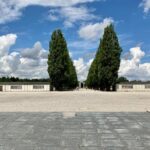
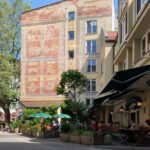

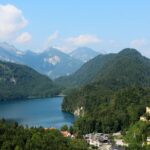
Nazi-Era Munich on Foot: What You’ll See and How to Use the Time
This is the part of the tour that needs the right mindset. You’re walking through locations tied to how Hitler rose to power and how Nazi Germany’s Third Reich developed. Munich was central to that story, and your guide uses the city’s built environment to show how power moved from ideas to institutions.
Key stops in this Nazi-era portion include places associated with:
- The building where Hitler first joined the Nazi party
- Former headquarters of the Gestapo
- The location of the Beer Hall Putsch (the 1923 Munich coup attempt that failed)
Because the tour is only about two hours total, you need to treat this as an overview with a sharp focus—more like a guided corridor into the topic, not a complete seminar. That’s not a criticism; it’s how you get the balance with Old Town sights included.
But you should also know there’s variation in how much time guides spend on the darker material. One piece of feedback said the guide was hesitant to spend much time on the topic and moved on quickly after only a few minutes. If this part is your main goal, bring a couple of questions and don’t be shy about asking your guide to slow down here.
What helps most is asking for specifics tied to the places you’re standing in front of:
- What role did this area play at the time?
- Who used these spaces, and what happened here?
- How did the narrative shift after the failed 1923 putsch?
Some guides also use old photographs to make the story feel less flat. Steve Whitehall is praised for bringing old pictures that made the tales feel real, and he’s also noted for fitting the experience to a group of seniors—so if you’re concerned about pacing, this is a format that can adapt.
How the Private Format Really Changes the Walk
The “private” part isn’t just a marketing word here. Because you’re not shepherding a crowd, the guide can set a pace that matches you. People praised guides for keeping the walk moving at a good tempo, and for answering questions instead of cutting them off.
You’ll also get flexibility in what’s emphasized. One guide was praised for tailoring the tour so a group could see what they wanted and skip extra standard church talk. Another guide, Ian, was described as friendly and highly informed, with the tour feeling more like a chat than a lecture.
Small details can also add warmth. Ian is mentioned with an adorable dog named Bernard in one account, which sounds silly until you realize it’s part of what makes a private tour feel human.
Group size is capped (max 9 per tour, with up to 10 travelers listed), so expect a walk where your guide can actually make eye contact and adjust on the fly. That matters when you’re mixing sunny squares, church interiors, and emotionally heavy context.
Price and Value: Is $239.65 Worth It?
At $239.65 per person for a 2-hour private tour, you’re paying for two things:
1) Time with a professional guide, and
2) Convenience, since it includes hotel pickup and drop-off (from central accommodations) plus the guide is handling the route.
You also get a tight set of big landmarks: Marienplatz, Frauenkirche, St. Peter’s Church, Rathaus-Glockenspiel, and Hofbräuhaus. Then you add the Third Reich component with places tied to Hitler’s rise and the Gestapo and Beer Hall Putsch story.
Is it cheap? No. But for a private tour, the cost starts to make sense when you factor in pickup, and when you’re traveling with a group that wants a more personal pace. Multiple reviews specifically call out how a private guide was worth the extra money.
The other value question is whether the tour fits your priorities. If you’re mainly after the Nazi history in depth, this can feel like an introduction rather than a full deep study. One suggestion from feedback was to pair or substitute with a larger, dedicated site visit like Dachau or a museum elsewhere for more detail. If you want both Munich orientation and a first look at Nazi-era locations, this tour is a good compromise.
Who This Tour Fits Best
This tour is ideal if you:
- Want a fast Old Town orientation on Day 1, without spending the whole day on buses
- Care about understanding Munich’s layout so the Nazi-era sites make sense in context
- Like the idea of a flexible itinerary where you can request a different balance of churches vs. history
- Prefer smaller groups and direct Q&A over a large public tour
It may not be the best fit if you:
- Need maximum detail on Nazi history within one short walk
- Are extremely sensitive to delays and tight schedules around church closing times
- Want a heavy, museum-like treatment rather than a street-level guided overview
In that case, you might still book this for the map and framing, but you should plan a second, more focused history stop afterward.
Should You Book This Private Munich Old Town and Third Reich Tour?
If you’re in Munich for a short stay and you want both charm and context, I think it’s a strong booking. The route hits the city’s big identity spots—Marienplatz, Frauenkirche, St. Peter’s, the Rathaus clock, and Hofbräuhaus—then it adds the Third Reich narrative with clear place-based anchors tied to Hitler and the Gestapo.
But book it with one mindset: this is a guided orientation plus a focused overview, not a full-length institutional history lesson. If the Nazi-era portion is your top priority, go in with questions and ask your guide to spend enough time there.
Given the high rating (4.7 from 40 reviews) and the repeated praise for guides like Ian, Anja, Jax, and Steve Whitehall, this tour usually hits its mark—especially if you choose a start time that gives you breathing room.
FAQ
How long is the Munich Old Town and Third Reich walking tour?
It lasts about 2 hours.
Is this tour private, and how many people are on it?
It’s a private tour with a maximum of 9 people per tour (and a maximum of 10 travelers listed).
Where do we meet, and where does the tour end?
You can start with hotel pickup from central Munich or meet at München Hauptbahnhof. The listed start address is Dachauer Str. 4, 80335 München, and the tour ends back at the starting point.
Is the tour offered in English?
Yes, it’s offered in English.
What’s included in the price?
Included are hotel pickup and drop-off, a private tour, and a professional guide. Food and drinks are not included.
Are there admission tickets for the stops?
The listed stops include free entry (admission ticket free).
Can I cancel for a full refund?
Yes. You can cancel up to 24 hours in advance for a full refund.